About the neighborhood
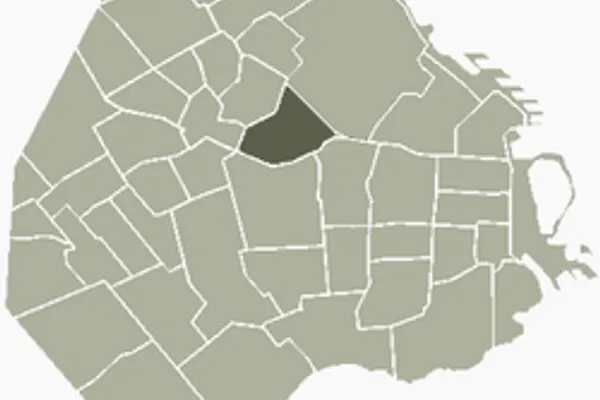
Neighborhood of Buenos Aires in C15, Argentina
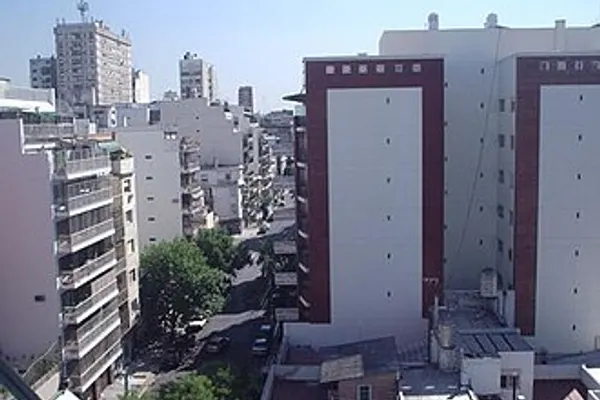
Villa Crespo is a middle class neighborhood in Buenos Aires, Argentina, located in the geographical center of the city. It had a population of 83,646 people in 2001, and thus currently a population density of 23,235 inhabitants/km. Villa Crespo celebrates its anniversary on June 3.
Villa Crespo was also sometimes referred to as Palermo Queens around 2007. This trade name, caused a reaction from the Neighborhood Association and Historical Studies at the Ombudsman of the city of Buenos Aires. They issued Resolution 2549/07, resulting in 14 realtors being sanctioned for publishing misleading advertising, in violation of the consumer competition law and fair trading law, and violation of the law of neighborhood boundaries and the tourist protection law. Palermo is considered a more expensive neighborhood and renaming Villa Crespo as part of Palermo would allow people to charge higher rents, etc.
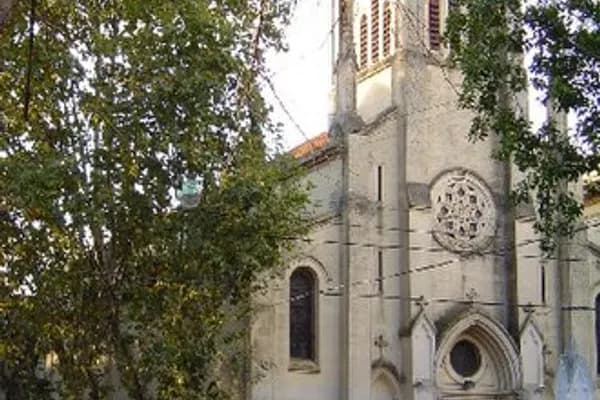
It grew around the "Fábrica Nacional de Calzado" (National Shoe Factory, 1888). The first name of the neighborhood was San Bernardo and that remained in general use during its first twenty-five years, in spite of it being officially named after Buenos Aires mayor, Antonio F. Crespo. On April 11, 1894, the San Bernardo church was opened to the public. Villa Crespo was home to several conventillos, including the most famous one, the Conventillo de la Paloma. Under Juan B. Justo avenue runs the Maldonado waterstream, culverted to prevent major floods.
Villa Crespo has been traditionally associated with the Jewish community, hosting several synagogues, Hebrew schools and youth movements. Its traditional football club is Atlanta.
Until the 1980s, it had a clothing commercial centre in Scalabrini Ortiz Avenue (previously named Canning), but this has lost its strength over the years. The main commercial hub is still the intersection of Scalabrini Ortiz and Corrientes avenues, these two roads being also the main access of the neighborhood.
Some leather clothes stores are located in the area around Murillo street, and on Warnes Avenue are numerous auto-part stores. On the other hand, the neighborhood has a relative lack of parks and squares.
Villa Crespo people
Juan Gelman, poet
Julian Bourdeu
Leopoldo Marechal, writer, who located many episodes of his Adán Buenosayres novel in Villa Crespo
Lucrecia Martel, Argentinian director
Osvaldo Pugliese, tango musician
Remigio Iriondo
Salvador Benedit
Wos, Argentinian rapper
Filmed in Villa Crespo
Bolivia, 2001.
References
Argentina portal
External links
Wikimedia Commons has media related to Villa Crespo, Buenos Aires.
34°36′S 58°27′W / 34.600°S 58.450°W / -34.600; -58.450
Encyclopedic content adapted from the Wikipedia article on Villa Crespo, used under CC BY-SA 4.0.
What makes Villa Crespo special
Villa Crespo stands out among Buenos Aires’s neighborhoods for its distinctive character: palermo's quieter, cheaper sibling. Ranked #4 in Buenos Aires, it offers the kind of experience that defines a great city trip — a place where the streets themselves tell a story and every block rewards curiosity.
Best for
Our take on Villa Crespo
Villa Crespo occupies a distinctive place in Buenos Aires's neighborhood landscape. It is the kind of district that rewards travelers who venture beyond the obvious choices — quieter than the tourist-facing areas, richer in local character, and full of the small details that make a city trip memorable.
What makes Villa Crespo worth the visit is the texture of daily life here. It is a neighborhood that functions for the people who live in it — not just for the visitors who pass through. The shops serve local needs, the restaurants feed local appetites, and the streets have a rhythm that reflects genuine community rather than tourism infrastructure. That is the quality our editors prize most, and Villa Crespo has it in abundance.
Our editors recommend budgeting at least half a day here — enough time to walk the main streets, sit down for coffee, and discover the side streets where Villa Crespo's real character lives.
Living in Villa Crespo
Villa Crespo is connected to the rest of Buenos Aires by public transit, and most visitors find it straightforward to reach from the city center or airport. Once you arrive, the neighborhood is best explored on foot — the scale is human and the streets reward wandering.
This is a neighborhood with strong residential roots, which means the infrastructure of daily life is well-established: grocery stores, pharmacies, parks, playgrounds, and the kind of quiet side streets where children play and neighbors greet each other. For visitors, this translates into a feeling of safety and belonging that more tourist-oriented districts rarely provide.
Accommodation in Villa Crespo ranges from boutique hotels to short-term rentals. We generally recommend staying within the neighborhood itself rather than commuting from a hotel elsewhere in Buenos Aires — the experience of waking up inside a great neighborhood is fundamentally different from visiting one as a day trip.
What locals say about Villa Crespo
Long-term residents of Villa Crespo tend to describe their neighborhood with a mix of pride and protectiveness. Like any district with genuine character, Villa Crespo inspires loyalty — the kind of place people move to and never quite leave, or leave and spend years trying to get back to.
What locals appreciate most about Villa Crespo is its consistency — the feeling that the neighborhood works the same way on a Tuesday morning as it does on a Saturday night. It is not a place that performs for visitors and then goes quiet. The rhythm is genuine, the community is real, and the daily experience of living here is what draws people and keeps them.
Compared to the more famous districts in Buenos Aires, Villa Crespo has maintained a lower profile, which many residents consider an advantage. The neighborhood evolves gradually rather than being reshaped by sudden attention, and the result is a community that still feels organic rather than curated.
Visitor tips
- Villa Crespo is located in Buenos Aires, Argentina. The neighborhood is accessible by public transport, taxi, or rideshare from most parts of the city.
- Morning is often the best time to explore — the streets are quieter, the light is better for photography, and cafes are at their most welcoming.
- Wear comfortable walking shoes — the best way to experience Villa Crespo is on foot, wandering the side streets and discovering what lies around each corner.
- Save the neighborhood's location on your phone before you arrive. Offline maps are especially useful for navigating the smaller side streets.