About the neighborhood
Neighborhood of Buenos Aires in C14, Argentina
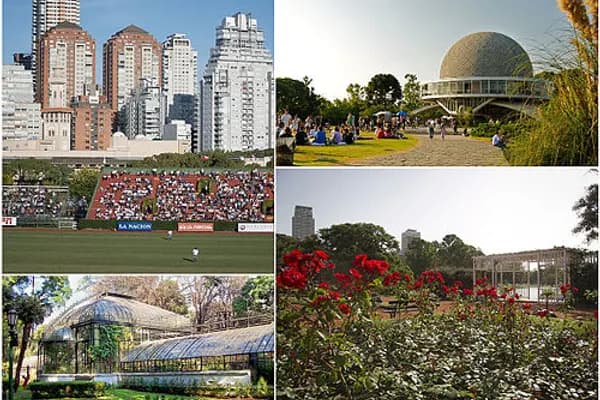
In the sprawling urban tapestry of Buenos Aires, few neighborhoods boast the eclectic charm and cosmopolitan edge of this enclave. With its expansive 17.4 square kilometers, Palermo is a veritable playground for those who revel in the interplay of tradition and modernity. The area’s grid-like layout is not just a means of navigation; it reflects the organized chaos of life here, where every street corner seems to host a new adventure, from artisanal coffee shops to elegant polo clubs, defining the very essence of Argentine culture.
Historically, Palermo has deep roots in its namesake, Saint Benedict of Palermo, whose legacy permeates the atmosphere. The neighborhood's lineage can be traced back to the late 16th century when Italian immigrant Juan Domingo Palermo supposedly purchased the land shortly after Buenos Aires was founded. The narrative thickens with the dramatic rise and fall of prominent figures like Juan Manuel de Rosas, whose villa now serves as a backdrop for the verdant Parque Tres de Febrero, a stunning expanse created during the presidency of Domingo Faustino Sarmiento. This park, alongside the Buenos Aires Zoo and the iconic Palermo Race Track, symbolizes a 19th-century vision that married leisure with nature, shaping the character of the area we see today.
As the 20th century unfolded, the neighborhood continued to evolve, welcoming institutions like the Buenos Aires Botanical Gardens and the Galileo Galilei Planetarium, which stand as testaments to its cultural richness. Each subdivision—be it the upscale Palermo Chico or the bohemian vibe of Palermo Soho—offers a unique slice of life. The trendy boutiques and vibrant street art found in the latter contrast sharply with the serene elegance of the former, showcasing the neighborhood’s multifaceted identity.
While the annual Argentine Polo Open in November draws crowds and sparks excitement, it’s the everyday allure of Palermo that captivates. Whether you’re sipping a flat white at a local café or wandering through the Japanese Gardens, this neighborhood invites exploration at every turn. Its blend of history, culture, and contemporary flair makes it a quintessential destination for those seeking to experience the heartbeat of Buenos Aires.
Encyclopedic content adapted from the Wikipedia article on Palermo, used under CC BY-SA 4.0.