About the neighborhood
Neighborhood of Buenos Aires in C1, Argentina
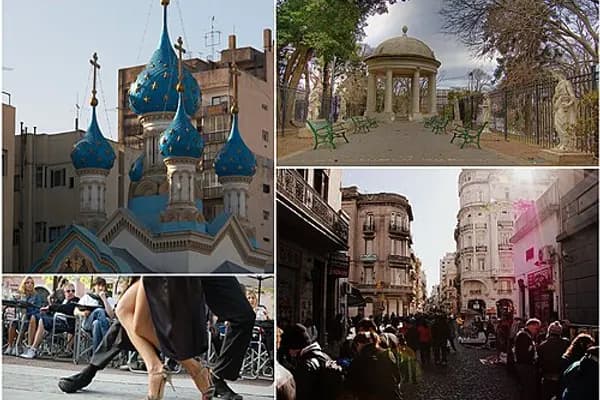
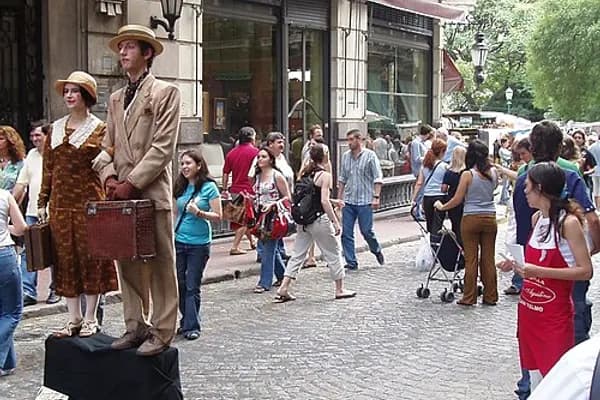
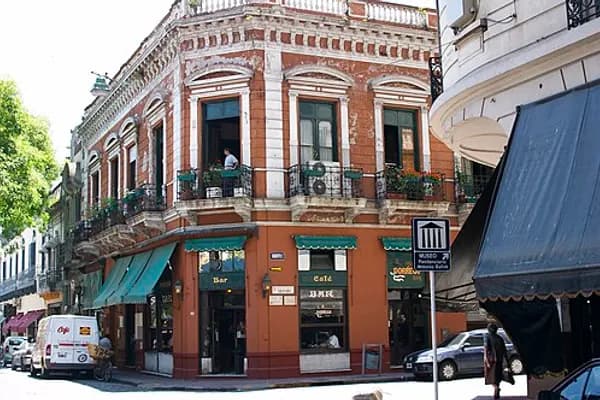
San Telmo ("Saint Pedro González Telmo") is the oldest barrio (neighborhood) of Buenos Aires, Argentina. A well-preserved area of the Argentine metropolis, it hosts some of its oldest buildings. One of the birthplaces of tango, during the mid 20th century it was the Bohemian district with painters ateliers and jazz clubs. Cafes, tango parlors and antique shops line the cobblestone streets, which are often filled with street artists and dancers.
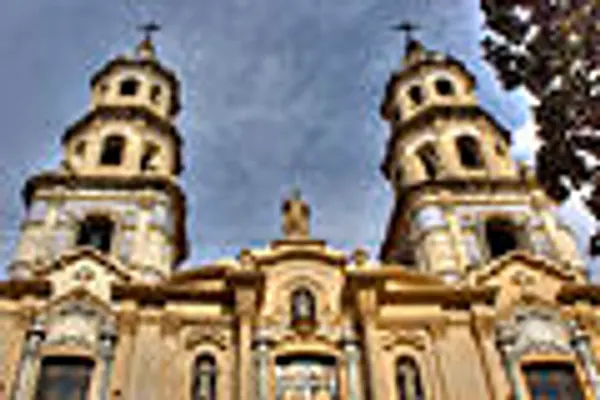
San Telmo's attractions include old churches (e.g. San Pedro Telmo), museums, food halls and stalls, antique stores and a semi-permanent antique fair (Feria de Antigüedades) in the main public square, Plaza Dorrego. Tango-related activities for both locals and tourists are in the area.The "Manzana de las Luces" ("Enlightenment block") hosted several colonial institutions.
History
Known as San Pedro Heights during the 17th century, the area was mostly home to the city's growing contingent of dockworkers and brickmakers; the area became Buenos Aires' first "industrial" area, home to its first windmill and most of the early city's brick kilns and warehouses. The bulk of the city's exports of wool, hides and leather (the Argentine region's chief source of income as late as the 1870s) were prepared and stored here in colonial times. Their presence led to the first residential settlements in this area: that of Africans, slaves and free, alike.
Previously separated from Buenos Aires proper by a ravine, the area was formally incorporated into the city in 1708 as the "Ovens and Storehouses of San Pedro." The neighborhood's poverty led the Jesuits to found a "Spiritual House" in the area, a charitable and educational mission referred to by San Pedro's indigent as "the Residence;" their 1767 suppression led to the mission's closure, however.
The void left by the Jesuits' departure was addressed by the 1806 establishment of the Parish of San Pedro González Telmo (or "San Telmo"), so named in honor of the Patron Saint of seafarers. This move failed to replace the lost social institutions, however, and San Telmo languished well after Argentine independence in 1816. The Jesuit Residence, restored as a clinic by Guatemalan friars, was shuttered in 1821, and San Telmo saw no public works for the next 30 years except a Black Infantrymen's Quarters and the construction of the dreaded Mazorca Dungeon by Governor Juan Manuel de Rosas.
San Telmo began to improve despite these challenges, particularly after Rosas' removal from power in 1852. The establishment of new clinics, the installation of gas mains, lighting, sewers, running water and cobblestones and the opening of the city's main wholesale market led to increasing interest in the area on the part of the well-to-do and numerous imposing homes were built in the western half of San Telmo. This promising era ended abruptly when an epidemic of yellow fever struck the area in 1871. The new clinics and the heroic efforts of physicians like Florentino Ameghino helped curb the northward spread of the epidemic; but as time went on it claimed over 10,000 lives, and this led to the exodus of San Telmo's growing middle and upper classes into what later became Barrio Norte.
At first hundreds of properties became vacant. A few of the larger lots were converted into needed parks, the largest of which is Lezama Park, designed by the renowned French-Argentine urban planner Charles Thays in 1891 as a complement to the new Argentine National Museum of History. Most large homes, though, became tenement housing during the wave of immigration into Argentina from Europe between 1875 and 1930. San Telmo became the most multicultural neighborhood in Buenos Aires, home to large communities of British, Galician, Italian and Russian-Argentines. The large numbers of Russians in San Telmo and elsewhere in Buenos Aires led to the consecration of Argentina's first Russian Orthodox Church in 1901. Expanding industry to the south also led a German immigrant, Otto Krause, to open a technical school here in 1897.
San Telmo's bohemian air began attracting local artists after upwardly-mobile immigrants left the area. Increasing cultural activity resulted in the opening of the Buenos Aires Museum of Modern Art by critic Rafael Squirru in 1956, as well as in the 1960 advent of the "Republic of San Telmo," an artisan guild which organized art walks and other events. San Telmo's immigrant presence also led to quick popularization of tango in the area: long after that genre's heyday, renowned vocalist Edmundo Rivero purchased an abandoned colonial-era grocery in 1969, christening it El Viejo Almacén ("The Old Grocery Store"). This soon became one of the city's best-known tango music halls, helping lead to a cultural and economic revival in San Telmo.
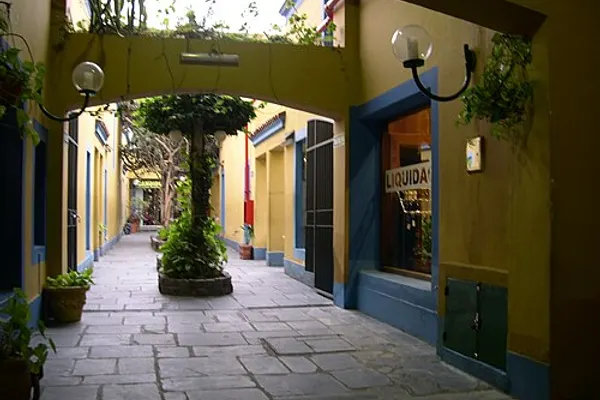
The 1980 restoration of the former Ezeiza family mansion into the Pasaje de la Defensa ("Defensa Street Promenade"), moreover, has led to the refurbishment of numerous such structures, many of which had been conventillos (tenements) since the 1870s. As most of San Telmo's 19th century architecture and cobblestone streets remain, it has also become an important tourist attraction.
Contemporary art
A great number of contemporary art galleries, art spaces and museums are located in this area. In 2005 the gallery and artist-run space Appetite opened and the Argentine public and media immediately noticed the crowds attending its openings and parties. Other art galleries began setting up in this neighborhood and it became a Mecca of contemporary art. The first to talk about it was Rolling Stone magazine which said in late 2006: "When all the movement seemed to be getting installed at Palermo, the Daniela Luna tornado opened the appetite with an art gallery in San Telmo and little by little is monopolizing the neighborhood and transferring the scene." A few months later the New York Times said that "To find Appetite, an avant-garde gallery that everyone I met recommended, I had to return to one of San Telmo's less atmospheric blocks." Many media remarked the transformation of San Telmo into a destination for contemporary art lovers, such as the newspaper La Nacion which counted around 30 galleries and art centers in 2008. Later that year, the same newspaper published another article that started: "Contemporary art moved into the neighborhood. San Telmo Art District is born."
Image gallery
References
External links
Argentina portal
Wikimedia Commons has media related to San Telmo, Buenos Aires.
Wikivoyage has a travel guide for San Telmo, Buenos Aires.
San Telmo, Buenos Aires
Barriada: San Telmo (in Spanish)
A brief historical description
34°37′14″S 58°22′18″W / 34.62056°S 58.37167°W / -34.62056; -58.37167
Encyclopedic content adapted from the Wikipedia article on San Telmo, used under CC BY-SA 4.0.
What makes San Telmo special
San Telmo stands out among Buenos Aires’s neighborhoods for its distinctive character: tango, antiques, sunday afternoons. Ranked #2 in Buenos Aires, it offers the kind of experience that defines a great city trip — a place where the streets themselves tell a story and every block rewards curiosity.
Best for
Our take on San Telmo
San Telmo is one of the strongest neighborhoods in Buenos Aires, and it consistently appears in our editors' personal favorites lists. It may not always get the same attention as the city's most famous district, but among travelers who know Buenos Aires well, San Telmo is often the first recommendation.
What makes San Telmo worth the visit is the texture of daily life here. It is a neighborhood that functions for the people who live in it — not just for the visitors who pass through. The shops serve local needs, the restaurants feed local appetites, and the streets have a rhythm that reflects genuine community rather than tourism infrastructure. That is the quality our editors prize most, and San Telmo has it in abundance.
Our editors recommend budgeting at least half a day here — enough time to walk the main streets, sit down for coffee, and discover the side streets where San Telmo's real character lives.
Living in San Telmo
San Telmo is connected to the rest of Buenos Aires by public transit, and most visitors find it straightforward to reach from the city center or airport. Once you arrive, the neighborhood is best explored on foot — the scale is human and the streets reward wandering.
Day-to-day life in San Telmo has the rhythm of a genuine residential neighborhood. You will find grocery stores, pharmacies, cafés with morning regulars, and the kind of small independent shops that only survive where locals support them. For visitors, this means the infrastructure you need — good coffee, a decent meal, a quiet place to sit — is always within a short walk.
Accommodation in San Telmo ranges from boutique hotels to short-term rentals. We generally recommend staying within the neighborhood itself rather than commuting from a hotel elsewhere in Buenos Aires — the experience of waking up inside a great neighborhood is fundamentally different from visiting one as a day trip.
What locals say about San Telmo
Long-term residents of San Telmo tend to describe their neighborhood with a mix of pride and protectiveness. Like any district with genuine character, San Telmo inspires loyalty — the kind of place people move to and never quite leave, or leave and spend years trying to get back to.
What locals appreciate most about San Telmo is its consistency — the feeling that the neighborhood works the same way on a Tuesday morning as it does on a Saturday night. It is not a place that performs for visitors and then goes quiet. The rhythm is genuine, the community is real, and the daily experience of living here is what draws people and keeps them.
Like any neighborhood that has earned attention, San Telmo is navigating the tension between popularity and preservation. Rents have risen, new businesses have arrived, and long-time residents occasionally grumble that the neighborhood is not what it was. But the fundamentals — the walkability, the food, the community — remain strong, and most locals we speak to believe the neighborhood is still gaining more than it is losing.
Visitor tips
- San Telmo is located in Buenos Aires, Argentina. The neighborhood is accessible by public transport, taxi, or rideshare from most parts of the city.
- Morning is often the best time to explore — the streets are quieter, the light is better for photography, and cafes are at their most welcoming.
- Wear comfortable walking shoes — the best way to experience San Telmo is on foot, wandering the side streets and discovering what lies around each corner.
- Save the neighborhood's location on your phone before you arrive. Offline maps are especially useful for navigating the smaller side streets.