About the neighborhood
Subzone of Bukit Merah Planning Area & Housing Estate in Singapore
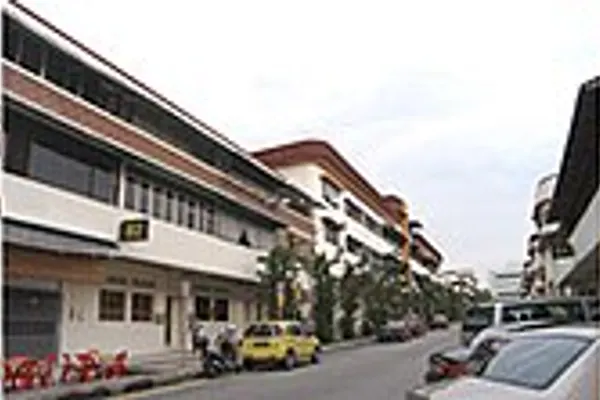
Tiong Bahru stands as a testament to Singapore's architectural evolution, where the whispers of its Art Deco past meet the buzz of contemporary culture. Constructed in the 1920s, this district showcases the pioneering spirit of the Singapore Improvement Trust, the precursor to today’s Housing Development Board. As Singapore's oldest housing estate, it tells a story of transformation, from hilly swampland dotted with squatters to a thriving neighborhood where modernity and tradition coexist harmoniously.
The area is a configuration of three subzones, each offering a different flavor of life. Walk along Chay Yan Street and you’ll find yourself enveloped by the charming low-rise flats that were once the pride of the British colonial administration. These are now juxtaposed against sleek private condominiums and the bustling Tiong Bahru Plaza. The neighborhood has seen a renaissance since the mid-2000s, with artisanal cafes like Tiong Bahru Bakery and indie boutiques such as BooksActually breathing new life into the local scene. Here, the scent of freshly brewed coffee mingles with the tantalizing aromas wafting from hawker stalls, where you can indulge in local favorites like chwee kueh and bak kut teh.
But Tiong Bahru is not just about the food and trendy establishments; it's a living museum of history. The etymology of its name—"new cemetery"—hints at its past, once home to burial grounds before the SIT transformed it into a public housing estate. Remnants of that past can still be felt in the community's character, where a deep respect for heritage is evident in the preservation of pre-war architecture.
As you meander through its streets, from Boon Tiong Road to Kim Tian Road, you’ll notice how the neighborhood balances nostalgia with the pulse of modern urban life. Whether it’s the charm of a well-preserved flat or the latest culinary innovation, Tiong Bahru invites exploration with a confident blend of history and contemporary allure, making it a compelling destination for anyone looking to understand the essence of Singapore.
Encyclopedic content adapted from the Wikipedia article on Tiong Bahru, used under CC BY-SA 4.0.
What makes Tiong Bahru special
Tiong Bahru stands out among Singapore’s neighborhoods for its distinctive character: art deco, hawker food, perfect coffee. It tops our ranking of the best neighborhoods in Singapore, it offers the kind of experience that defines a great city trip — a place where the streets themselves tell a story and every block rewards curiosity.
Best for
Our take on Tiong Bahru
Tiong Bahru is the neighborhood we send friends to first when they visit Singapore. It earns the top spot in our ranking not because it is the most famous district in the city, but because it delivers the most complete neighborhood experience — the kind of place where every block rewards curiosity and every return visit reveals something new.
What strikes us most about Tiong Bahru is the depth of its food culture. This is not a neighborhood with a few good restaurants — it is a neighborhood where eating well is woven into daily life, where the corner places are as good as the destination spots, and where you could eat every meal for a week without repeating yourself or being disappointed.
Our editors recommend budgeting at least half a day here — enough time to walk the main streets, sit down for coffee, and discover the side streets where Tiong Bahru's real character lives.
Living in Tiong Bahru
Tiong Bahru is connected to the rest of Singapore by public transit, and most visitors find it straightforward to reach from the city center or airport. Once you arrive, the neighborhood is best explored on foot — the scale is human and the streets reward wandering.
Dining options range from quick, affordable local spots to more deliberate sit-down restaurants. The neighborhood supports a genuine food ecosystem — bakeries, grocery shops, specialty stores — which means you can eat well at every price point. Weekend mornings tend to be the most atmospheric time for a food-focused walk.
Accommodation in Tiong Bahru ranges from boutique hotels to short-term rentals. We generally recommend staying within the neighborhood itself rather than commuting from a hotel elsewhere in Singapore — the experience of waking up inside a great neighborhood is fundamentally different from visiting one as a day trip.
What locals say about Tiong Bahru
Long-term residents of Tiong Bahru tend to describe their neighborhood with a mix of pride and protectiveness. Like any district with genuine character, Tiong Bahru inspires loyalty — the kind of place people move to and never quite leave, or leave and spend years trying to get back to.
Ask a local what they love most, and the answer almost always starts with the food. Residents have strong opinions about which bakery is best, which café makes the best morning coffee, which restaurant they bring visiting friends to as proof that Tiong Bahru is the best neighborhood in Singapore. The food culture here is not performative — it is the backbone of community life.
Like any neighborhood that has earned attention, Tiong Bahru is navigating the tension between popularity and preservation. Rents have risen, new businesses have arrived, and long-time residents occasionally grumble that the neighborhood is not what it was. But the fundamentals — the walkability, the food, the community — remain strong, and most locals we speak to believe the neighborhood is still gaining more than it is losing.
Visitor tips
- Tiong Bahru is located in Singapore, Singapore. The neighborhood is accessible by public transport, taxi, or rideshare from most parts of the city.
- For the best food experience, visit during lunchtime on weekdays when locals fill the restaurants, or explore weekend markets if available.
- Wear comfortable walking shoes — the best way to experience Tiong Bahru is on foot, wandering the side streets and discovering what lies around each corner.