About the neighborhood
Street in Tel Aviv, Israel
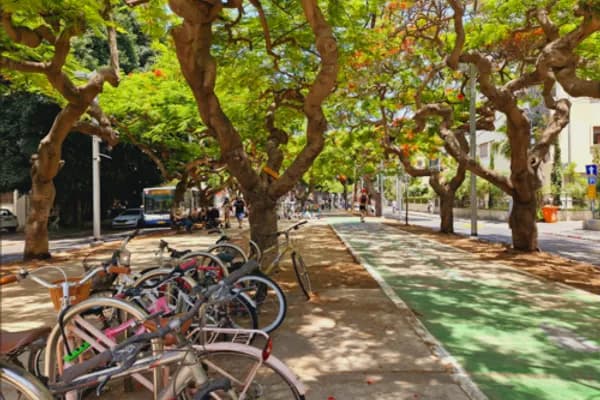
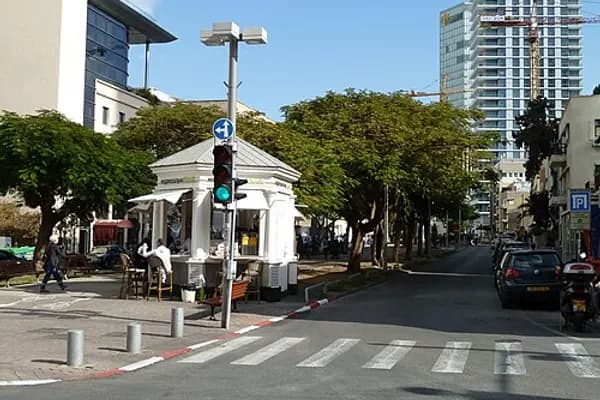
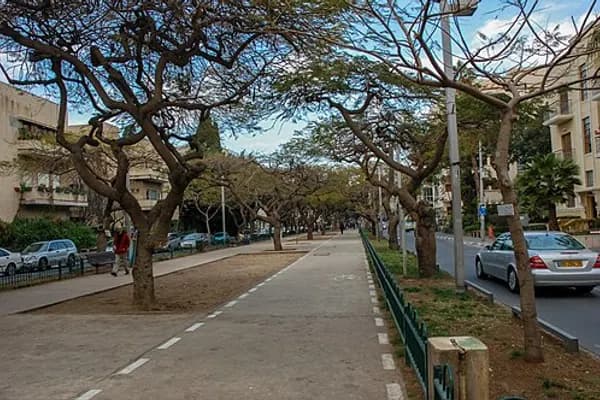
Rothschild Boulevard (Hebrew: שְׂדֵרוֹת רוֹטְשִׁילְד, Sderot Rotshild) is one of the principal streets in the center of Tel Aviv, Israel, beginning in Neve Tzedek at its southeastern edge and running north to Habima Theatre. It is one of the most expensive streets in the city, being among one of its main tourist attractions. It features a wide, central strip lined with Ficus trees, as well as pedestrian and bike lanes.
History
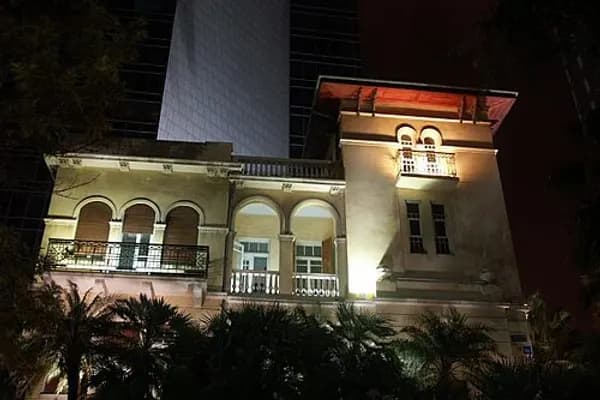
Rothschild Boulevard is one of the oldest streets in Tel Aviv; soon after its creation, residents requested it to be renamed in honor of Baron Edmond James de Rothschild, a strong supporter of Jewish settlement in Palestine. One house, on the corner of Rothschild Boulevard and Herzl Street, was built in 1909, by the Eliavson family, one of Tel Aviv's sixty founding families. In 2007, the building was purchased and restored by the French Institute.
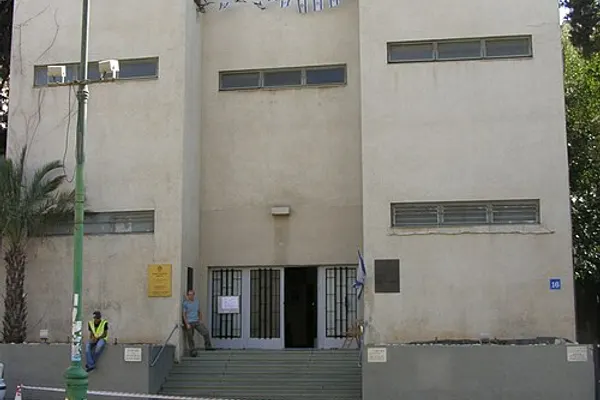
Israel's Declaration of Independence was signed at Independence Hall on Rothschild Boulevard. The building use to be the home of Meir Dizengoff, the first mayor of Tel Aviv. It also housed the Tel Aviv museum of art before the museum moved to Helene Rubenstein hall in HaBima. Many of the historic buildings are built in the Bauhaus or International style, forming part of the White City of Tel Aviv, a UNESCO-designated World Heritage Site.
The 1925, Lederberg house at the intersection with Allenby Street features a series of large ceramic murals designed by Ze'ev Raban, a member of the Bezalel school. The four murals show a Jewish pioneer sowing and harvesting, a shepherd, and Jerusalem, with a verse from Jeremiah 31:4, "Again I will rebuild thee and thou shalt be rebuilt."
In 1995, the municipality held an architectural competition to design avenues. The architect, Moti Bodek suggested using existing avenue rings as a backbone system, which consists of pedestrian ways and bicycle paths; target the urban activities of leisure sports and recreation; along with restoration and rehabilitation of historic kiosks. The Boulevard is an arts district, with galleries including Alon Segev Gallery, Rothschild49 Art Gallery and Sommer Contemporary Art.
In 2013, Absolut Vodka introduced a specially designed bottle dedicated to Tel Aviv as part of its international cities series. The design, commemorating Tel Aviv's ficus tree boulevards, was inspired by the night landscape of Rothschild, Nordau and Chen boulevards.
Financial center
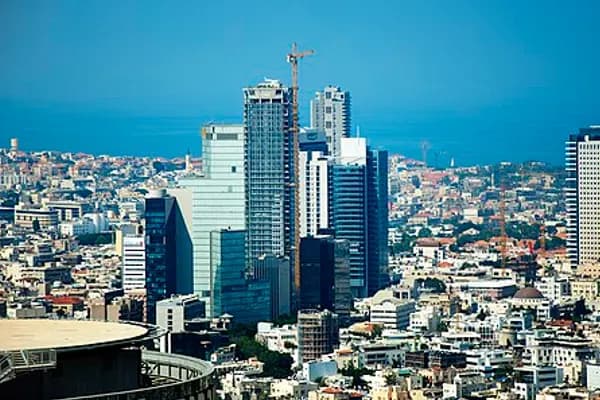
Rothschild Boulevard is at the heart of Tel Aviv's financial district. It is where the First International Bank Tower is located, as well as the Israel offices of HSBC Bank. From the 1960s through the 1980s, the boulevard suffered from urban decay. By 2005, it had undergone a dramatic transformation as historic buildings were restored and residents began flowing back in and injecting the street with a renewed cultural energy. In February 2012, Bloomberg L.P. opened an office on the boulevard, followed by Julius Baer Group in March of the same year. Rothschild Boulevard was the epicenter of the 2011 Israeli social justice protests.
See also
Rothschild 22
References
External links
Wikimedia Commons has media related to Rothschild Boulevard.
Peace demonstration on Rothschild Boulevard, June 6, 2008
"Tel Aviv at night. Amazing Rothschild Boulevard". YouTube. Virtual WORLD. May 4, 2022.
"Walking in Tel Aviv - Rothschild Boulevard, Israel/ Plimbare prin Tel Aviv, Israel". YouTube. Walker_ROW. March 4, 2023.
32°3′55.87″N 34°46′37.3″E / 32.0655194°N 34.777028°E / 32.0655194; 34.777028
Encyclopedic content adapted from the Wikipedia article on Rothschild, used under CC BY-SA 4.0.
What makes Rothschild special
Rothschild stands out among Tel Aviv’s neighborhoods for its distinctive character: bauhaus boulevard and café culture. Ranked #4 in Tel Aviv, it offers the kind of experience that defines a great city trip — a place where the streets themselves tell a story and every block rewards curiosity.
Best for
Our take on Rothschild
Rothschild occupies a distinctive place in Tel Aviv's neighborhood landscape. It is the kind of district that rewards travelers who venture beyond the obvious choices — quieter than the tourist-facing areas, richer in local character, and full of the small details that make a city trip memorable.
What makes Rothschild exceptional is the density of its cultural life. Art galleries, independent bookshops, small theaters, and creative studios are woven into the fabric of the neighborhood rather than clustered in a single zone. You encounter culture here by accident, which is how the best cultural experiences always happen.
Our editors recommend budgeting at least half a day here — enough time to walk the main streets, sit down for coffee, and discover the side streets where Rothschild's real character lives.
Living in Rothschild
Rothschild is connected to the rest of Tel Aviv by public transit, and most visitors find it straightforward to reach from the city center or airport. Once you arrive, the neighborhood is best explored on foot — the scale is human and the streets reward wandering.
Day-to-day life in Rothschild has the rhythm of a genuine residential neighborhood. You will find grocery stores, pharmacies, cafés with morning regulars, and the kind of small independent shops that only survive where locals support them. For visitors, this means the infrastructure you need — good coffee, a decent meal, a quiet place to sit — is always within a short walk.
Accommodation in Rothschild ranges from boutique hotels to short-term rentals. We generally recommend staying within the neighborhood itself rather than commuting from a hotel elsewhere in Tel Aviv — the experience of waking up inside a great neighborhood is fundamentally different from visiting one as a day trip.
What locals say about Rothschild
Long-term residents of Rothschild tend to describe their neighborhood with a mix of pride and protectiveness. Like any district with genuine character, Rothschild inspires loyalty — the kind of place people move to and never quite leave, or leave and spend years trying to get back to.
The creative community in Rothschild is genuine, not aspirational. Residents include working artists, writers, musicians, and designers who chose the neighborhood because it supported their work — affordable studio space, a community that values craft, and enough foot traffic to sustain independent galleries and shops.
Compared to the more famous districts in Tel Aviv, Rothschild has maintained a lower profile, which many residents consider an advantage. The neighborhood evolves gradually rather than being reshaped by sudden attention, and the result is a community that still feels organic rather than curated.
Visitor tips
- Rothschild is located in Tel Aviv, Israel. The neighborhood is accessible by public transport, taxi, or rideshare from most parts of the city.
- Morning is often the best time to explore — the streets are quieter, the light is better for photography, and cafes are at their most welcoming.
- Wear comfortable walking shoes — the best way to experience Rothschild is on foot, wandering the side streets and discovering what lies around each corner.
- Save the neighborhood's location on your phone before you arrive. Offline maps are especially useful for navigating the smaller side streets.