About the neighborhood
"Yemenite Vineyard" in Tel Aviv, Israel
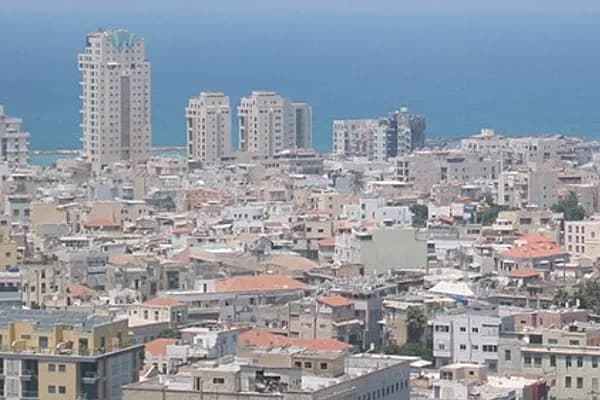
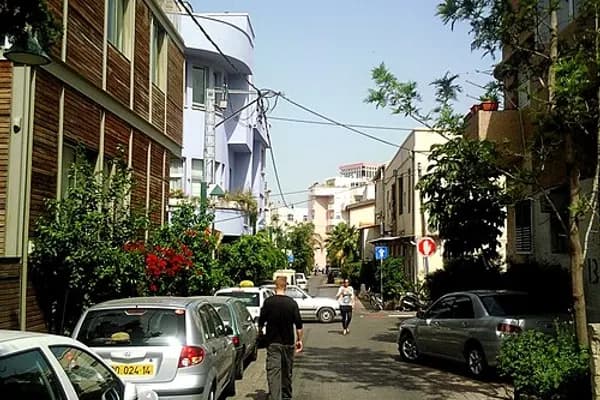
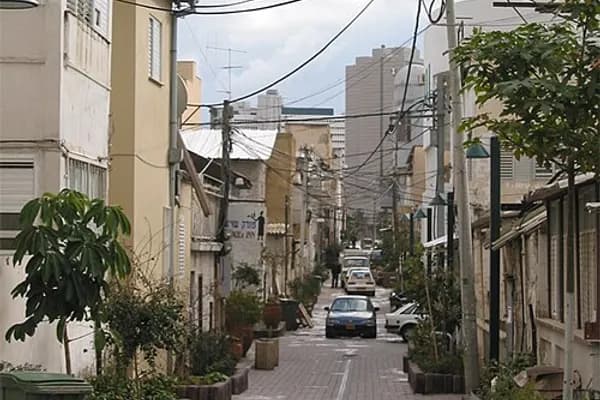
Kerem HaTeimanim (Hebrew: כֶּרֶם הַתֵּימָנִים, lit. "Vineyard of the Yemenites") is a neighborhood in the center of Tel Aviv, Israel. The neighborhood is adjacent to the Carmel Market.
History
Kerem HaTeimanim was established in 1906 by Yemenite-Jewish immigrants on lands which belonged to Aharon Chelouche, Yosef Moyal, and Haim Amzaleg. It was a poor neighborhood, with many of the single-story homes built with cheap materials such as wooden beams and tin roofing. In 1926, the WIZO women's volunteer organization opened an infant welfare center in the neighborhood operated by two nurses sent to England to study healthcare for young mothers and babies.
In the early 1970s, Lehakat Tzlilei Kerem HaTeimanim (Sounds of the Vineyard Band) was formed by Kerem HaTeimanim guitarist Moshe ben Mush and singer Yosef "Daklon" Levi, a band that achieved fame in south Tel Aviv and beyond.
Today, Kerem HaTeimanim is in the process of gentrification. Many of the original residents have been replaced by French and other foreign residents who purchased property there for investment. The neighborhood is still home to traditional Yemenite restaurants. In 2004, Lev HaIr Tower became the neighborhood's tallest building. The tower holds a public library, offices and several commercial businesses. It is a predominantly religious neighborhood where eateries are closed on the Sabbath.
Zohar Argov, a 1980s Yemenite Israeli singer who grew up in Rishon LeZion made an album entitled Bekerem Hateymanim in celebration of the neighborhood's significance for Yemenite Israeli culture.
Origin of the name
According to the story, the original version of the neighborhood's name is "Kerem HaTeimani" (The Yemenite Vineyard), and its origin comes from the Yemenite guard who guarded Yosef Moyal's vineyard.
Notable residents
Notable residents include Knesset Member Michael Ratzon of the Likud, singer Boaz Sharabi and Israeli footballer Pini Balili.
The musical duo, Nissim Menachem and Yossi Khoury of The Parvarim were residents of the suburb and the name of their band "Parvarim" ("suburbs") is a reference to Kerem HaTeimanim.
References
See also
Neighborhoods of Tel Aviv
32°4′11.06″N 34°46′4.7″E / 32.0697389°N 34.767972°E / 32.0697389; 34.767972
Encyclopedic content adapted from the Wikipedia article on Kerem HaTeimanim, used under CC BY-SA 4.0.
What makes Kerem HaTeimanim special
Kerem HaTeimanim stands out among Tel Aviv’s neighborhoods for its distinctive character: yemenite food and the carmel market. Ranked #5 in Tel Aviv, it offers the kind of experience that defines a great city trip — a place where the streets themselves tell a story and every block rewards curiosity.
Best for
Our take on Kerem HaTeimanim
Kerem HaTeimanim occupies a distinctive place in Tel Aviv's neighborhood landscape. It is the kind of district that rewards travelers who venture beyond the obvious choices — quieter than the tourist-facing areas, richer in local character, and full of the small details that make a city trip memorable.
What strikes us most about Kerem HaTeimanim is the depth of its food culture. This is not a neighborhood with a few good restaurants — it is a neighborhood where eating well is woven into daily life, where the corner places are as good as the destination spots, and where you could eat every meal for a week without repeating yourself or being disappointed.
Our editors recommend budgeting at least half a day here — enough time to walk the main streets, sit down for coffee, and discover the side streets where Kerem HaTeimanim's real character lives.
Living in Kerem HaTeimanim
Kerem HaTeimanim is connected to the rest of Tel Aviv by public transit, and most visitors find it straightforward to reach from the city center or airport. Once you arrive, the neighborhood is best explored on foot — the scale is human and the streets reward wandering.
Dining options range from quick, affordable local spots to more deliberate sit-down restaurants. The neighborhood supports a genuine food ecosystem — bakeries, grocery shops, specialty stores — which means you can eat well at every price point. Weekend mornings tend to be the most atmospheric time for a food-focused walk.
Accommodation in Kerem HaTeimanim ranges from boutique hotels to short-term rentals. We generally recommend staying within the neighborhood itself rather than commuting from a hotel elsewhere in Tel Aviv — the experience of waking up inside a great neighborhood is fundamentally different from visiting one as a day trip.
What locals say about Kerem HaTeimanim
Long-term residents of Kerem HaTeimanim tend to describe their neighborhood with a mix of pride and protectiveness. Like any district with genuine character, Kerem HaTeimanim inspires loyalty — the kind of place people move to and never quite leave, or leave and spend years trying to get back to.
Ask a local what they love most, and the answer almost always starts with the food. Residents have strong opinions about which bakery is best, which café makes the best morning coffee, which restaurant they bring visiting friends to as proof that Kerem HaTeimanim is the best neighborhood in Tel Aviv. The food culture here is not performative — it is the backbone of community life.
Compared to the more famous districts in Tel Aviv, Kerem HaTeimanim has maintained a lower profile, which many residents consider an advantage. The neighborhood evolves gradually rather than being reshaped by sudden attention, and the result is a community that still feels organic rather than curated.
Visitor tips
- Kerem HaTeimanim is located in Tel Aviv, Israel. The neighborhood is accessible by public transport, taxi, or rideshare from most parts of the city.
- For the best food experience, visit during lunchtime on weekdays when locals fill the restaurants, or explore weekend markets if available.
- Wear comfortable walking shoes — the best way to experience Kerem HaTeimanim is on foot, wandering the side streets and discovering what lies around each corner.
- Save the neighborhood's location on your phone before you arrive. Offline maps are especially useful for navigating the smaller side streets.