About the neighborhood
Street in Tehran, Iran
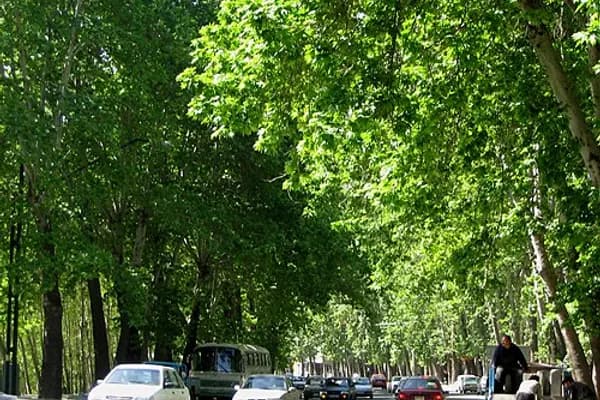
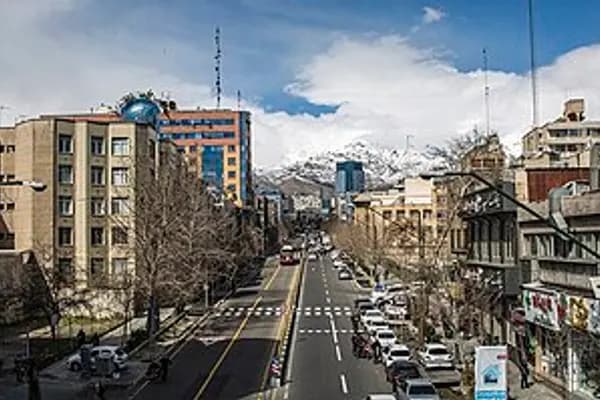
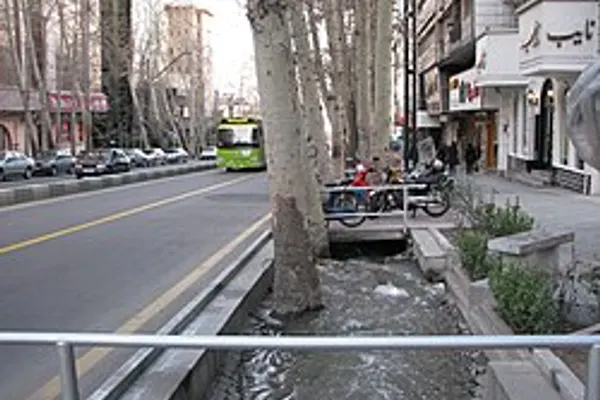
35°43′58″N 51°24′40″E / 35.732826°N 51.411112°E / 35.732826; 51.411112Valiasr Street (Persian: خیابان ولیعصر), commonly known by its former name Pahlavi Street (Persian: خیابان پهلوی) is a tree-lined street in Tehran, dividing the metropolis into western and eastern parts which were built in 1922 to 1927 respectively, considering the end of asphalt plan it ended in 1933. It is considered one of Tehran's main thoroughfares and commercial centers. It is also the longest street in the Middle East, and was reported as one of the longest in the world by former BBC (now Al Jazeera) journalist Rageh Omaar during the television documentary Welcome to Tehran.
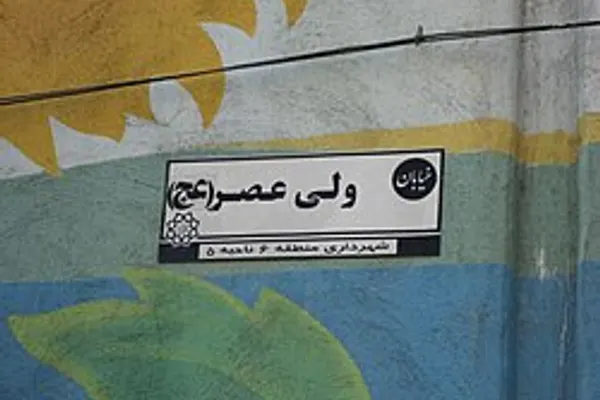
The street was built by Reza Pahlavi's order and called the Pahlavi Street. After the Iranian Revolution the street's name was changed initially to Mosaddegh Street, in reference to the former prime minister of Iran, Mohammad Mosaddegh, and later to Valiasr Street, after the twelfth Shi'ite Imam, Muhammad al-Mahdi. This vibrant, hub-like street is lined with many shops, restaurants, parks, and cultural centers situated along this long avenue.
History
The construction of Valiasr Street dates back to the era of Minister Reza Pahlavi during the Qajar era. Almost a hundred years ago, He began buying land, such as parts of Behjat Abad in Shemiran (a district in central Tehran). Later, he bought the palace belonging to the daughter of Naser al-Din Shah Qajar. At the same time, Reza Pahlavi had begun constructing a street in Shemiranat County in Tehran province to make access to the palaces in that area more efficient.
During the Qajar era, palaces were built on the North and South of the Capital by the Qajar shahs like Ahmad Shah Qajar. Because of the location of the Marble Palace (Marmar Palace) in Tehran, Reza Pahlavi decided to extend the route leading to the palaces in the Northern part of Tehran heading to the Marble Palace. When he sat on the throne, Reza named this route “Pahlavi.”
Therefore, before the Iranian Revolution of Iran, Vali-e Asr Street was called Pahlavi Street, which was named after the Pahlavi dynasty. Previously, the route was a minor dirt road for local crossings.
From then on, the renowned Valiasr Street started its formation, and in the initial stages of the construction, planting Plane trees and building a stream also began on this route. Seven years later, Tehran municipality paved this street. In 1930, asphalting was introduced in Tehran's urban development system, and a year later, Valiasr Street was asphalted.
In 1938, a rose bush was planted on both sides of Valiasr Street, two meters apart, and between two saplings, and two wells were dug in Zafaraniyeh, which is now an upmarket neighborhood in Tehran, for irrigating these newly planted trees.
As mentioned earlier, the street was only for the use of government officials. However, from 1940 onwards, access to Pahlavi Street was made possible for ordinary people. With the presence of some neighboring allies in Iran and their entry into the Pahlavi Street, the route was then made permissible for the general public, and people were able to walk around the Behjat Abad gardens.
Environmental concerns
The plane trees of Valiasr Street have always been a major element of the street's identity and one of Tehran's irreplaceable landmarks. After the Iranian Revolution, due to severe mismanagement, the living conditions of the trees have been constantly deteriorated, causing immense public concerns. The number of trees decreased from 24,000 in 1946 to 12,000 in 1995. In 2012 only 8,288 trees were left. The main contributing issues include, but are not limited to:
destruction of natural waterflow networks such as rivers and springs;
irregular watering;
water contamination;
soil contamination;
damages to the roots of the trees by the increased population of the rats, poor curbing, pouring concrete foundation for construction projects;
soil erosion and exposure of the tree roots to the air;
mistreatment of the trees by humans;
air pollution;
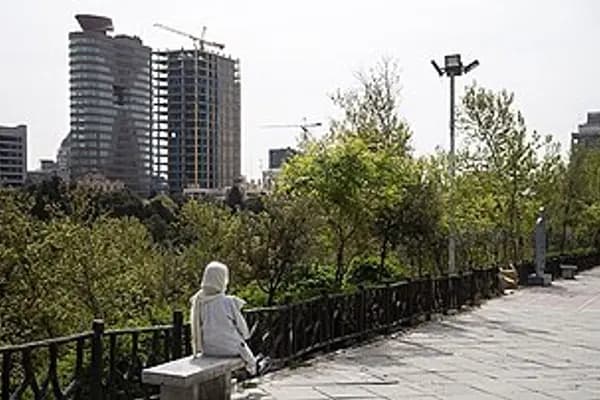
lack of sunlight exposure due to high-rise building.
In only one of several incidents, in July 2022, a property owner intentionally poisoned 13 trees just for a better visibility of the building's façade.
It was reported in 2023 that 179 trees on the street would be cut down and replaced. The concern for the trees of Valiasr Street is reflected in the Grammy Award winning song Baraye.
Shopping
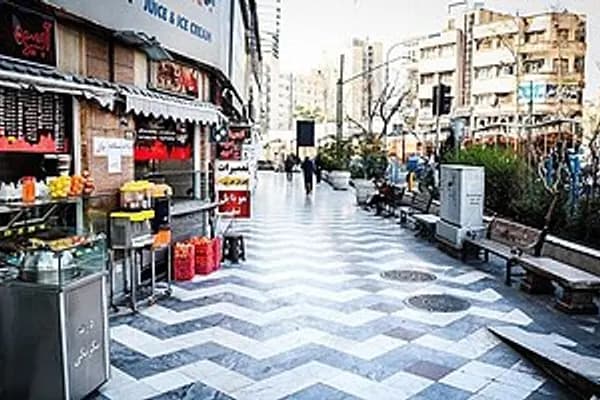
Valiasr Avenue is the main Shopping street in Tehran and the whole of Iran. Many foreign chain stores have branches on this street, including Benetton Group (with three stores), Reebok, and Adidas. Many important shopping centers of Tehran are located on Valiasr street, like the Tandis Center (located at the northeast point of the street at Tajrish Sq.), the Safavieh Mall, the Eskan Shopping center, and many more. Many luxury jewelry and accessories stores, such as Rolex and Tag Heuer, are located on this street. Furthermore, hundreds of other local stores are located on Valiasr.
Other
Many cinemas, restaurants, and hotels are located on this street.
Tehran City Theatre
Mellat Park and Saéi Park (two of Tehran's most visited parks)
Jomhori Intersection Grand Bazzar
Cinema museum
Central building of the Iranian Red Crescent Organization
Valiasr hospital
Shahid rajaie Research-Therapeutic-Medical Center
Location
Valiasr runs from Tehran's railway station (1,117 metres (3,665ft) elevation above sea level) in the south of the city to the Tajrish square (1,612 metres (5,289ft) elevation above sea level) in the north.
Valiasr runs for 12 miles (19.3 kilometers), north to south, and is filled with traffic at all hours, even until the early hours of the morning. The shops stay open late and the kiosks sell fresh fruit juice, coffee and newspapers.
Gallery
See also
List of upscale shopping districts
References
External links
Wikimedia Commons has media related to Valiasr Street.
Pictures of Tehran
Encyclopedic content adapted from the Wikipedia article on Valiasr, used under CC BY-SA 4.0.
What makes Valiasr special
Valiasr stands out among Tehran’s neighborhoods for its distinctive character: tehran's famous plane-tree avenue. Ranked #5 in Tehran, it offers the kind of experience that defines a great city trip — a place where the streets themselves tell a story and every block rewards curiosity.
Best for
Our take on Valiasr
Valiasr occupies a distinctive place in Tehran's neighborhood landscape. It is the kind of district that rewards travelers who venture beyond the obvious choices — quieter than the tourist-facing areas, richer in local character, and full of the small details that make a city trip memorable.
What makes Valiasr worth the visit is the texture of daily life here. It is a neighborhood that functions for the people who live in it — not just for the visitors who pass through. The shops serve local needs, the restaurants feed local appetites, and the streets have a rhythm that reflects genuine community rather than tourism infrastructure. That is the quality our editors prize most, and Valiasr has it in abundance.
Our editors recommend budgeting at least half a day here — enough time to walk the main streets, sit down for coffee, and discover the side streets where Valiasr's real character lives.
Living in Valiasr
Valiasr is connected to the rest of Tehran by public transit, and most visitors find it straightforward to reach from the city center or airport. Once you arrive, the neighborhood is best explored on foot — the scale is human and the streets reward wandering.
Day-to-day life in Valiasr has the rhythm of a genuine residential neighborhood. You will find grocery stores, pharmacies, cafés with morning regulars, and the kind of small independent shops that only survive where locals support them. For visitors, this means the infrastructure you need — good coffee, a decent meal, a quiet place to sit — is always within a short walk.
Accommodation in Valiasr ranges from boutique hotels to short-term rentals. We generally recommend staying within the neighborhood itself rather than commuting from a hotel elsewhere in Tehran — the experience of waking up inside a great neighborhood is fundamentally different from visiting one as a day trip.
What locals say about Valiasr
Long-term residents of Valiasr tend to describe their neighborhood with a mix of pride and protectiveness. Like any district with genuine character, Valiasr inspires loyalty — the kind of place people move to and never quite leave, or leave and spend years trying to get back to.
What locals appreciate most about Valiasr is its consistency — the feeling that the neighborhood works the same way on a Tuesday morning as it does on a Saturday night. It is not a place that performs for visitors and then goes quiet. The rhythm is genuine, the community is real, and the daily experience of living here is what draws people and keeps them.
Compared to the more famous districts in Tehran, Valiasr has maintained a lower profile, which many residents consider an advantage. The neighborhood evolves gradually rather than being reshaped by sudden attention, and the result is a community that still feels organic rather than curated.
Visitor tips
- Valiasr is located in Tehran, Iran. The neighborhood is accessible by public transport, taxi, or rideshare from most parts of the city.
- Morning is often the best time to explore — the streets are quieter, the light is better for photography, and cafes are at their most welcoming.
- Wear comfortable walking shoes — the best way to experience Valiasr is on foot, wandering the side streets and discovering what lies around each corner.
- Save the neighborhood's location on your phone before you arrive. Offline maps are especially useful for navigating the smaller side streets.