About the neighborhood
District in northern Tehran, Iran
Niavaran (Persian: نياوران) is an affluent and upperclass district in northern Tehran, Iran. Bordering the leafy, uphill-winding Darband Street, it can be reached from Tajrish Square, and it is close to Darabad in the far north-eastern corner of Greater Tehran.
Culture
The aqueduct of flumes was the base for Niavaran district nearly hundreds years ago, this led to the extensive flourish of this land and consequently superb conditions for living. These did not stay away from the eyes of ruling dynasties in Iran, more particularly Qajar families in the 19th century. They initiated major constructions of summer house villas and palaces and from there a deluxe lifestyle became the set-mark of this region in Tehran.
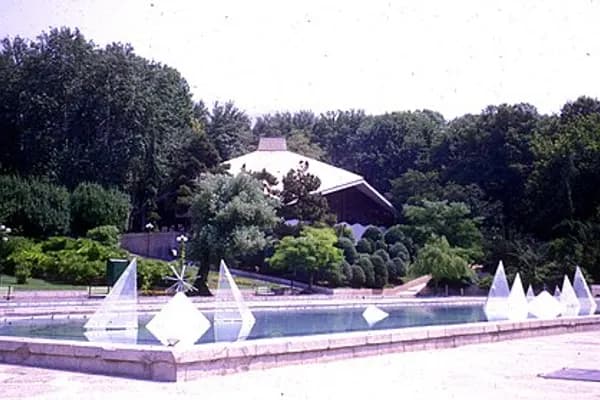
Niavaran as a whole consists of three sub-regions and those are Manzariyeh, Niavaran and Jamal Abad, all of which are situated in the first district of Tehran precisely in the north. It is home to the affluent as well as many artists, and replete with cultural riches such as Niavaran Palace Complex, Niavaran Park, and the Farhangsara (cultural centre) that includes an amphitheatre, museum, music hall, and Café Gallerie, a courtyard coffee shop with indoor exhibition space.
In recent years, the Niavaran area has become famous by groups of artists who use the traditional backdrop of the area for taking photos on their mobile phones. It has been extensively photographed by many artists using Instagram.
Notable sights
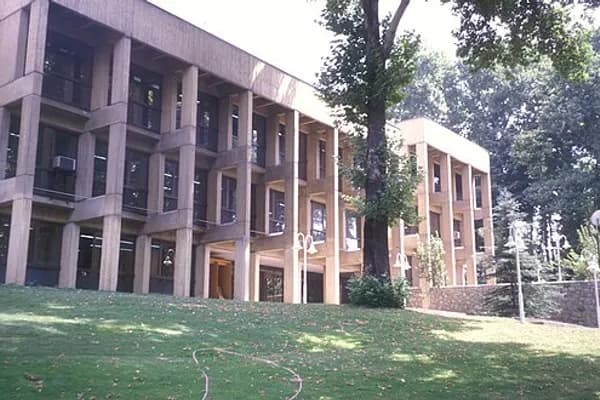
The architecture is unique in that the area's graded slopes have given rise to multilevel layouts and idiosyncratic lofts. Being situated on the city foothills (1700 metres above sea level), Niavaran has a cooler climate all year round compared to the rest of Tehran, and excellent vantage points.
References
35°49′N 51°28′E / 35.817°N 51.467°E / 35.817; 51.467
Encyclopedic content adapted from the Wikipedia article on Niavaran, used under CC BY-SA 4.0.
What makes Niavaran special
Niavaran stands out among Tehran’s neighborhoods for its distinctive character: tehran's royal gardens. Ranked #4 in Tehran, it offers the kind of experience that defines a great city trip — a place where the streets themselves tell a story and every block rewards curiosity.
Best for
Our take on Niavaran
Niavaran occupies a distinctive place in Tehran's neighborhood landscape. It is the kind of district that rewards travelers who venture beyond the obvious choices — quieter than the tourist-facing areas, richer in local character, and full of the small details that make a city trip memorable.
What makes Niavaran worth the visit is the texture of daily life here. It is a neighborhood that functions for the people who live in it — not just for the visitors who pass through. The shops serve local needs, the restaurants feed local appetites, and the streets have a rhythm that reflects genuine community rather than tourism infrastructure. That is the quality our editors prize most, and Niavaran has it in abundance.
Our editors recommend budgeting at least half a day here — enough time to walk the main streets, sit down for coffee, and discover the side streets where Niavaran's real character lives.
Living in Niavaran
Niavaran is connected to the rest of Tehran by public transit, and most visitors find it straightforward to reach from the city center or airport. Once you arrive, the neighborhood is best explored on foot — the scale is human and the streets reward wandering.
Day-to-day life in Niavaran has the rhythm of a genuine residential neighborhood. You will find grocery stores, pharmacies, cafés with morning regulars, and the kind of small independent shops that only survive where locals support them. For visitors, this means the infrastructure you need — good coffee, a decent meal, a quiet place to sit — is always within a short walk.
Accommodation in Niavaran ranges from boutique hotels to short-term rentals. We generally recommend staying within the neighborhood itself rather than commuting from a hotel elsewhere in Tehran — the experience of waking up inside a great neighborhood is fundamentally different from visiting one as a day trip.
What locals say about Niavaran
Long-term residents of Niavaran tend to describe their neighborhood with a mix of pride and protectiveness. Like any district with genuine character, Niavaran inspires loyalty — the kind of place people move to and never quite leave, or leave and spend years trying to get back to.
What locals appreciate most about Niavaran is its consistency — the feeling that the neighborhood works the same way on a Tuesday morning as it does on a Saturday night. It is not a place that performs for visitors and then goes quiet. The rhythm is genuine, the community is real, and the daily experience of living here is what draws people and keeps them.
Compared to the more famous districts in Tehran, Niavaran has maintained a lower profile, which many residents consider an advantage. The neighborhood evolves gradually rather than being reshaped by sudden attention, and the result is a community that still feels organic rather than curated.
Visitor tips
- Niavaran is located in Tehran, Iran. The neighborhood is accessible by public transport, taxi, or rideshare from most parts of the city.
- Morning is often the best time to explore — the streets are quieter, the light is better for photography, and cafes are at their most welcoming.
- Wear comfortable walking shoes — the best way to experience Niavaran is on foot, wandering the side streets and discovering what lies around each corner.
- Save the neighborhood's location on your phone before you arrive. Offline maps are especially useful for navigating the smaller side streets.