About the neighborhood
Creative center in Tallinn, Estonia
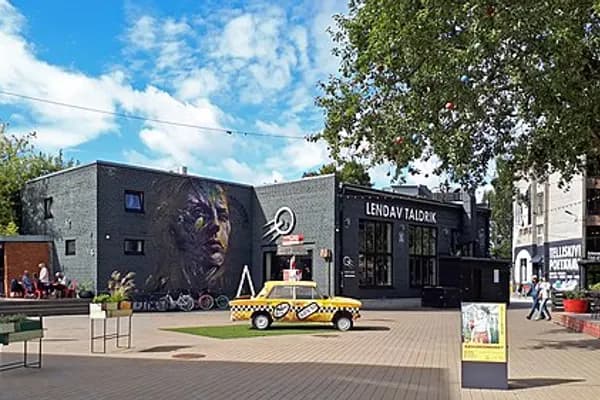
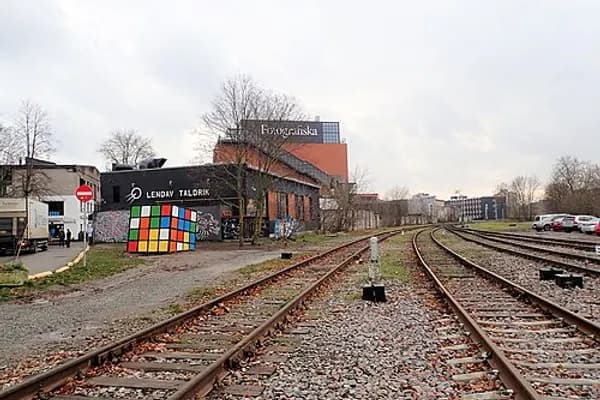
Telliskivi Creative City (Estonian: Telliskivi Loomelinnak) is creative center located on Telliskivi Street in the northern part of Tallinn, Estonia. The center serves as a platform for the Estonian creative community and is situated on the former site of the Baltic Railway Company factory.
Telliskivi Creative City (Loomelinnak) was founded by Jaanus Juss in 2007. In 2009, the first tenant (the headquarters of Tallinn Black Nights Film Festival) moved in. Subsequently, the weekly flea market, and a skate park called Haigla ('Hospital') was opened.
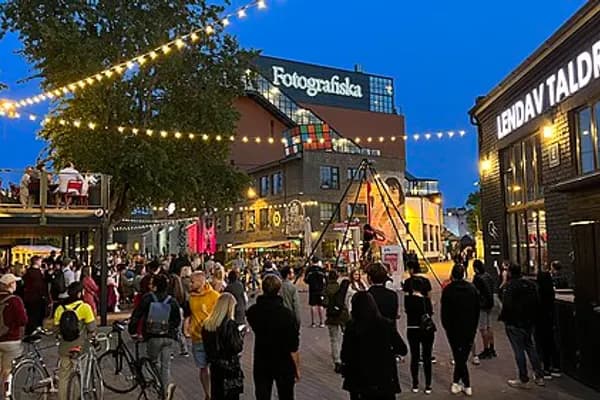
Nowadays, Telliskivi Creative City comprises 10 buildings with a total area of over 25,000m (270,000sqft). It houses over 300 companies, 90% of which are creative enterprises, as well as nearly 30 shops and a dozen restaurants, two theaters, seven galleries and several conference and seminar rooms. The center hosts nearly a thousand cultural events annually, attended by almost a million people, including the "Ma ei saa aru" art festival, Jazzkaar, Tallinn Music Week, and many others.
Since 2019, the international photo art center Fotografiska Tallinn was opened, presenting the best works of top photographers with frequently changing exhibitions. Fotografiska also has a café and restaurant that can be visited without a museum ticket. The restaurant is managed by top chef Peeter Pihel, known for his passionate leadership in sustainable food preparation. In 2022, Fotografiska Restaurant was awarded a green Michelin star.
The center has numerous exhibition spaces, including the Vaal Gallery, the Juhan Kuusi Documentary Photography Center, and the outdoor galleries of Loomelinnaku Väligalerii and Kolme Puu galerii, the latter of which focuses on socially significant issues. There is also the Telliskivi Creative City Gallery on the center's shop streets. There are numerous pieces of street art around the center's outdoor areas.
References
External links
Wikimedia Commons has media related to Telliskivi Creative City.
Official website
Encyclopedic content adapted from the Wikipedia article on Telliskivi, used under CC BY-SA 4.0.
What makes Telliskivi special
Telliskivi stands out among Tallinn’s neighborhoods for its distinctive character: tallinn's converted industrial district. Ranked #3 in Tallinn, it offers the kind of experience that defines a great city trip — a place where the streets themselves tell a story and every block rewards curiosity.
Best for
Our take on Telliskivi
Telliskivi is one of the strongest neighborhoods in Tallinn, and it consistently appears in our editors' personal favorites lists. It may not always get the same attention as the city's most famous district, but among travelers who know Tallinn well, Telliskivi is often the first recommendation.
What makes Telliskivi worth the visit is the texture of daily life here. It is a neighborhood that functions for the people who live in it — not just for the visitors who pass through. The shops serve local needs, the restaurants feed local appetites, and the streets have a rhythm that reflects genuine community rather than tourism infrastructure. That is the quality our editors prize most, and Telliskivi has it in abundance.
Our editors recommend budgeting at least half a day here — enough time to walk the main streets, sit down for coffee, and discover the side streets where Telliskivi's real character lives.
Living in Telliskivi
Telliskivi is connected to the rest of Tallinn by public transit, and most visitors find it straightforward to reach from the city center or airport. Once you arrive, the neighborhood is best explored on foot — the scale is human and the streets reward wandering.
Day-to-day life in Telliskivi has the rhythm of a genuine residential neighborhood. You will find grocery stores, pharmacies, cafés with morning regulars, and the kind of small independent shops that only survive where locals support them. For visitors, this means the infrastructure you need — good coffee, a decent meal, a quiet place to sit — is always within a short walk.
Accommodation in Telliskivi ranges from boutique hotels to short-term rentals. We generally recommend staying within the neighborhood itself rather than commuting from a hotel elsewhere in Tallinn — the experience of waking up inside a great neighborhood is fundamentally different from visiting one as a day trip.
What locals say about Telliskivi
Long-term residents of Telliskivi tend to describe their neighborhood with a mix of pride and protectiveness. Like any district with genuine character, Telliskivi inspires loyalty — the kind of place people move to and never quite leave, or leave and spend years trying to get back to.
What locals appreciate most about Telliskivi is its consistency — the feeling that the neighborhood works the same way on a Tuesday morning as it does on a Saturday night. It is not a place that performs for visitors and then goes quiet. The rhythm is genuine, the community is real, and the daily experience of living here is what draws people and keeps them.
Compared to the more famous districts in Tallinn, Telliskivi has maintained a lower profile, which many residents consider an advantage. The neighborhood evolves gradually rather than being reshaped by sudden attention, and the result is a community that still feels organic rather than curated.
Visitor tips
- Telliskivi is located in Tallinn, Estonia. The neighborhood is accessible by public transport, taxi, or rideshare from most parts of the city.
- Morning is often the best time to explore — the streets are quieter, the light is better for photography, and cafes are at their most welcoming.
- Wear comfortable walking shoes — the best way to experience Telliskivi is on foot, wandering the side streets and discovering what lies around each corner.