About the neighborhood
Urban area and UNESCO heritage site in Tallinn
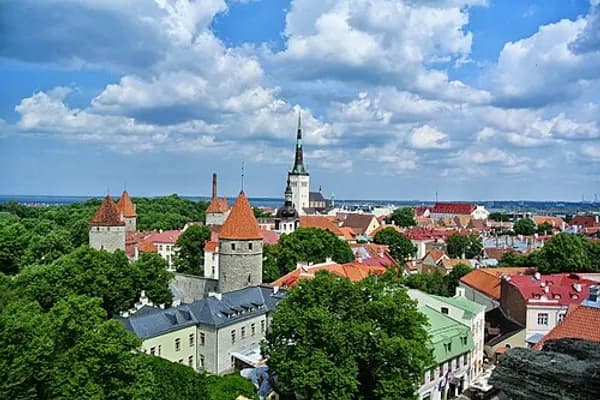
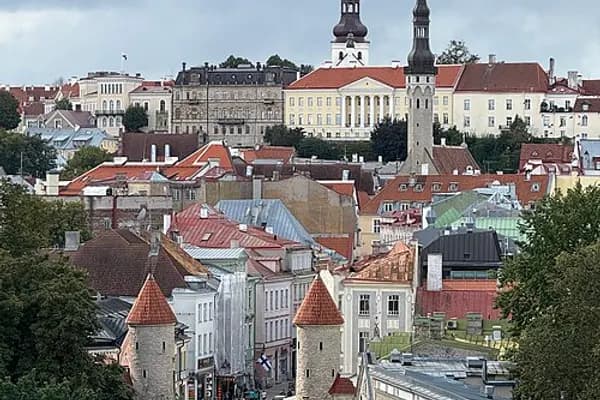
Tallinn Old Town (Estonian: Tallinna vanalinn) is the oldest part of Tallinn, Estonia. Old Town of Tallinn has managed to wholly preserve its structure of medieval and Hanseatic origin. Old Town represents an exceptionally intact 13th century city plan. Since 1997, the area has been registered in the UNESCO World Heritage List. The old town is bordered by the Walls of Tallinn. Its area is 113 ha and there is a buffer zone of 2,253 ha.
The majority of the Old Town's structures were built during the 13th–16th centuries.
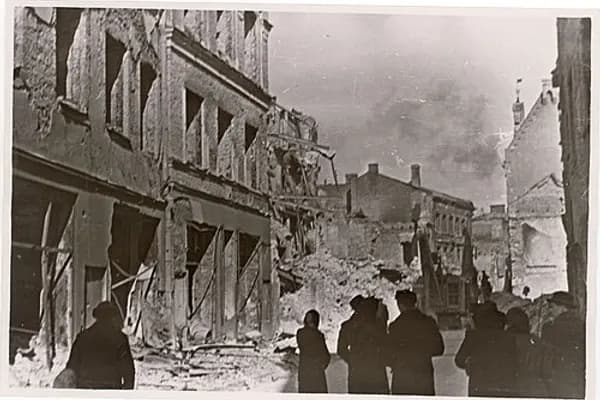
During World War II, while the German army occupied Estonia in 1941–1944, Tallinn Old Town suffered from several instances of aerial bombing by the Soviet air force. During the most destructive Soviet bombing raid on 9–10 March 1944, over a thousand incendiary bombs were dropped on Tallinn, causing widespread fires, destroying about 10% of the buildings in the Old Town, killing hundreds, and leaving over 20,000 people without shelter.
See also
Vanalinn
References
External links
Wikimedia Commons has media related to Tallinn old town.
Tallinn Old Town, www.visitestonia.com Archived 2021-01-16 at the Wayback Machine
Science and education Tallinn University
Tallinn University of Technology
Estonian Academy of Arts
Estonian Academy of Music and Theatre
Estonian Academy of Security Sciences
Estonian Maritime Academy
Tallinn University of Applied Sciences
Estonian Business School
Estonian Academy of Sciences
Sports Pirita Yachting Centre
A. Le Coq Arena
Kadriorg Stadium
Kalevi Keskstaadion
Unibet Arena
Kalev Sports Hall
Tondiraba Ice Hall
Pirita Velodrome
Mustamäe Ski Jumping Hill
Tallinn Hippodrome
Pirita-Kose-Kloostrimetsa Circuit
Transportation Port of Tallinn Old City Harbour
Paljassaare Harbour
Bekker Port
Tallinn Airport
Tallinn Baltic Station
Tallinn bus station
Tallinna Linnatranspordi AS
Events Estonian Song Festival
Estonian Dance Festival
Tallinn Black Nights Film Festival
Tallinn Old Town Days
Tallinn Marathon
Tallinn Music Week
Tallinn Christmas Market
Õllesummer
Tallinn Legends
59°26′14″N 24°44′43″E / 59.43722°N 24.74528°E / 59.43722; 24.74528
Encyclopedic content adapted from the Wikipedia article on Vanalinn, used under CC BY-SA 4.0.
What makes Vanalinn special
Vanalinn stands out among Tallinn’s neighborhoods for its distinctive character: unesco medieval tallinn. It tops our ranking of the best neighborhoods in Tallinn, it offers the kind of experience that defines a great city trip — a place where the streets themselves tell a story and every block rewards curiosity.
Best for
Our take on Vanalinn
Vanalinn is the neighborhood we send friends to first when they visit Tallinn. It earns the top spot in our ranking not because it is the most famous district in the city, but because it delivers the most complete neighborhood experience — the kind of place where every block rewards curiosity and every return visit reveals something new.
Walking through Vanalinn is like reading a history book with your feet. The architecture tells the story of decades — sometimes centuries — of evolution, and the neighborhood has managed to preserve its historical character without becoming a museum piece. People still live here, still run businesses here, still argue about parking here. That living quality is what separates a great historic neighborhood from a pretty but lifeless one.
Our editors recommend budgeting at least half a day here — enough time to walk the main streets, sit down for coffee, and discover the side streets where Vanalinn's real character lives.
Living in Vanalinn
Vanalinn is connected to the rest of Tallinn by public transit, and most visitors find it straightforward to reach from the city center or airport. Once you arrive, the neighborhood is best explored on foot — the scale is human and the streets reward wandering.
Day-to-day life in Vanalinn has the rhythm of a genuine residential neighborhood. You will find grocery stores, pharmacies, cafés with morning regulars, and the kind of small independent shops that only survive where locals support them. For visitors, this means the infrastructure you need — good coffee, a decent meal, a quiet place to sit — is always within a short walk.
Accommodation in Vanalinn ranges from boutique hotels to short-term rentals. We generally recommend staying within the neighborhood itself rather than commuting from a hotel elsewhere in Tallinn — the experience of waking up inside a great neighborhood is fundamentally different from visiting one as a day trip.
What locals say about Vanalinn
Long-term residents of Vanalinn tend to describe their neighborhood with a mix of pride and protectiveness. Like any district with genuine character, Vanalinn inspires loyalty — the kind of place people move to and never quite leave, or leave and spend years trying to get back to.
What locals appreciate most about Vanalinn is its consistency — the feeling that the neighborhood works the same way on a Tuesday morning as it does on a Saturday night. It is not a place that performs for visitors and then goes quiet. The rhythm is genuine, the community is real, and the daily experience of living here is what draws people and keeps them.
Like any neighborhood that has earned attention, Vanalinn is navigating the tension between popularity and preservation. Rents have risen, new businesses have arrived, and long-time residents occasionally grumble that the neighborhood is not what it was. But the fundamentals — the walkability, the food, the community — remain strong, and most locals we speak to believe the neighborhood is still gaining more than it is losing.
Visitor tips
- Vanalinn is located in Tallinn, Estonia. The neighborhood is accessible by public transport, taxi, or rideshare from most parts of the city.
- Morning is often the best time to explore — the streets are quieter, the light is better for photography, and cafes are at their most welcoming.
- Wear comfortable walking shoes — the best way to experience Vanalinn is on foot, wandering the side streets and discovering what lies around each corner.
- Save the neighborhood's location on your phone before you arrive. Offline maps are especially useful for navigating the smaller side streets.