About the neighborhood
District in Wrocław, Poland
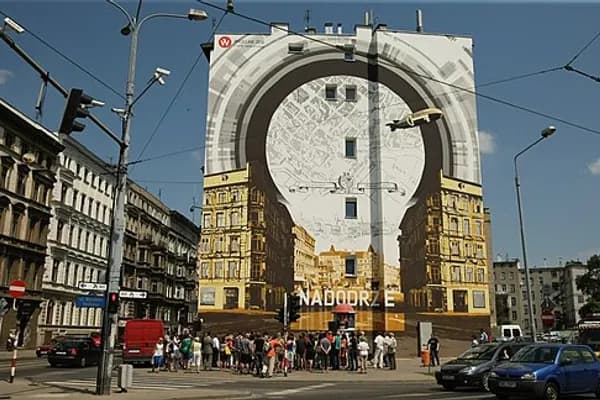
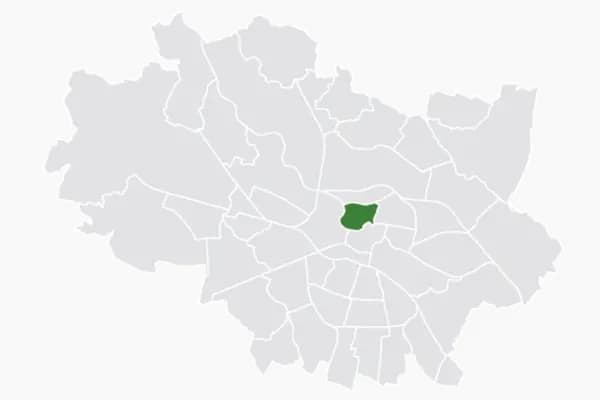
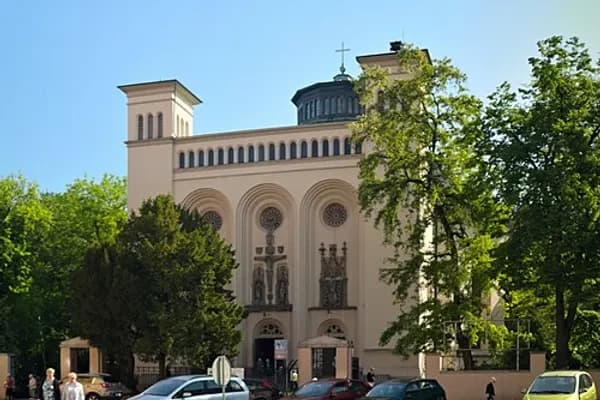
Nadodrze (Polish pronunciation: nadˈodʐɛ) is a district in Wrocław, Poland, separated in 1991 from a larger district, Ołbin, which now lies to the east of it. It also borders Kleczków to the north and the Old Town to the west. Nadodrze was incorporated into the city in 1808, after the demolition of the city fortifications.
The neighborhood was a historically poor and dangerous area, but since 2005 it was redeveloped, and became known for its arts scene. It is sometimes compared to Berlin's Kreuzberg or Rome's Trastevere.
Location
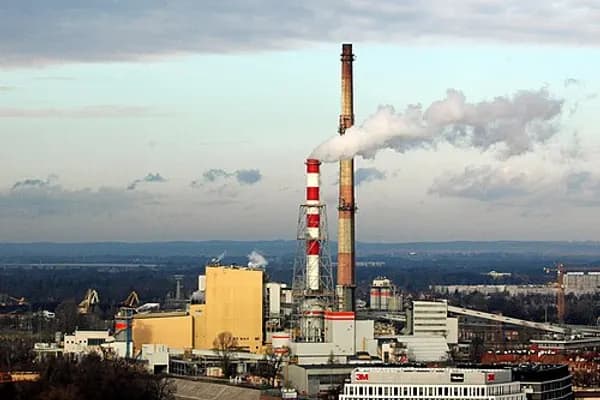
Within the boundaries of Nadodrze, there is Kępa Mieszczańska island, and important objects of urban infrastructure: Wrocław Nadodrze train station, streetcar depot No. 2 at Słowiańska Street, and Wrocław Combined Heat and Power Plant. The seat of the Nadodrze Housing Estate Council is located at 43 Rydygiera St. In 2017, about 25 thousand people lived within the boundaries of Nadodrze. The district is one of the most densely populated areas in Wroclaw.
History and development
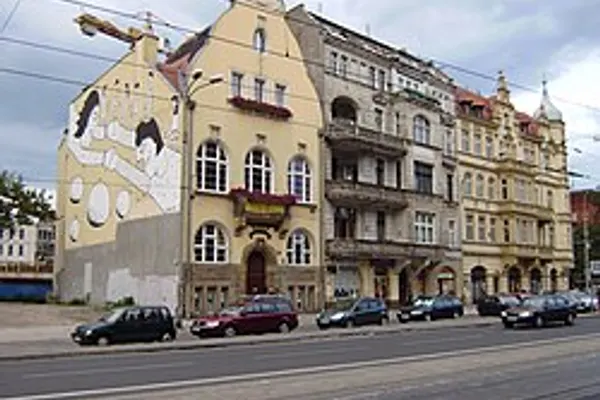
Nadodrze is known both for its historical kamienice and for its industrial development. Soon after World War II and the transfer of the city to Poland, the demographic composition of the population changed. Richer residents began to settle elsewhere, leading to a gradual decline, an increase in poverty and crime, and infrastructural decay.
The revitalization of Nadodrze began only in 2005, and soon the neighborhood became the "symbol of Wrocław's revitalization". Dozens of historic houses, two main squares, schools, parks, and public spaces were renovated. Revitalization was also accompanied by the mass privatization of private apartments. Some researchers saw in the revitalization process a threat of gentrification. The city's program was criticized because it concentrated on cosmetic changes rather than attempts to improve the quality of life of the neighborhood's residents.
The Łokietka 5 – Infopunkt Nadodrze is a center for supporting activities for the development of Nadodrze. It deals with cultural initiatives, coordinates inhabitants and local authorities, and brings together various communities functioning in Nadodrze.
One of the new tourist attractions of Nadodrze is colorful courtyards at 14–16 Roosvelta Street. The work (niemural), which is a combination of ceramics, painting, and sculpture, is a joint effort of local residents in cooperation with Wroclaw artists and students of the Academy of Fine Arts. It is 250 meters long and covers an area of 1200 square meters. The neighborhood is also famous for its numerous cafes, stores, and art galleries.
In 2014, Nadodrze's Kurkowa Street was used for filming of the Steven Spielberg film Bridge of Spies, a Cold War-era spy thriller. Working alongside the Wrocław Film Commission, the film's producers set the street up to resemble Berlin in the 1950s and 1960s.
Gallery
Famous people
Anna German, Polish singer
See also
Gentrification
References
External links
Official website
The alternative Poland on show in Wrocław, The Guardian
Media related to Nadodrze, Wrocław at Wikimedia Commons
Museums Hydropolis
Museum of Architecture
Museum of Natural History, University of Wrocław
Museum of the University of Wrocław
National Museum
Ossolineum
Transport Wrocław Airport
Trams in Wrocław
Wrocław Główny railway station
Wrocław central bus station
Other Coat of arms
History of Wrocław Timeline
Battle of Psie Pole
Siege of Breslau
Universities and colleges
Encyclopedic content adapted from the Wikipedia article on Nadodrze, used under CC BY-SA 4.0.
What makes Nadodrze special
Nadodrze stands out among Wrocław’s neighborhoods for its distinctive character: wrocław's creative quarter. Ranked #3 in Wrocław, it offers the kind of experience that defines a great city trip — a place where the streets themselves tell a story and every block rewards curiosity.
Best for
Our take on Nadodrze
Nadodrze is one of the strongest neighborhoods in Wrocław, and it consistently appears in our editors' personal favorites lists. It may not always get the same attention as the city's most famous district, but among travelers who know Wrocław well, Nadodrze is often the first recommendation.
What strikes us most about Nadodrze is the depth of its food culture. This is not a neighborhood with a few good restaurants — it is a neighborhood where eating well is woven into daily life, where the corner places are as good as the destination spots, and where you could eat every meal for a week without repeating yourself or being disappointed.
Our editors recommend budgeting at least half a day here — enough time to walk the main streets, sit down for coffee, and discover the side streets where Nadodrze's real character lives.
Living in Nadodrze
Nadodrze is connected to the rest of Wrocław by public transit, and most visitors find it straightforward to reach from the city center or airport. Once you arrive, the neighborhood is best explored on foot — the scale is human and the streets reward wandering.
Day-to-day life in Nadodrze has the rhythm of a genuine residential neighborhood. You will find grocery stores, pharmacies, cafés with morning regulars, and the kind of small independent shops that only survive where locals support them. For visitors, this means the infrastructure you need — good coffee, a decent meal, a quiet place to sit — is always within a short walk.
Accommodation in Nadodrze ranges from boutique hotels to short-term rentals. We generally recommend staying within the neighborhood itself rather than commuting from a hotel elsewhere in Wrocław — the experience of waking up inside a great neighborhood is fundamentally different from visiting one as a day trip.
What locals say about Nadodrze
Long-term residents of Nadodrze tend to describe their neighborhood with a mix of pride and protectiveness. Like any district with genuine character, Nadodrze inspires loyalty — the kind of place people move to and never quite leave, or leave and spend years trying to get back to.
The creative community in Nadodrze is genuine, not aspirational. Residents include working artists, writers, musicians, and designers who chose the neighborhood because it supported their work — affordable studio space, a community that values craft, and enough foot traffic to sustain independent galleries and shops.
Compared to the more famous districts in Wrocław, Nadodrze has maintained a lower profile, which many residents consider an advantage. The neighborhood evolves gradually rather than being reshaped by sudden attention, and the result is a community that still feels organic rather than curated.
Visitor tips
- Nadodrze is located in Wrocław, Poland. The neighborhood is accessible by public transport, taxi, or rideshare from most parts of the city.
- Morning is often the best time to explore — the streets are quieter, the light is better for photography, and cafes are at their most welcoming.
- Wear comfortable walking shoes — the best way to experience Nadodrze is on foot, wandering the side streets and discovering what lies around each corner.