About the neighborhood
Historic part in Wrocław, Poland
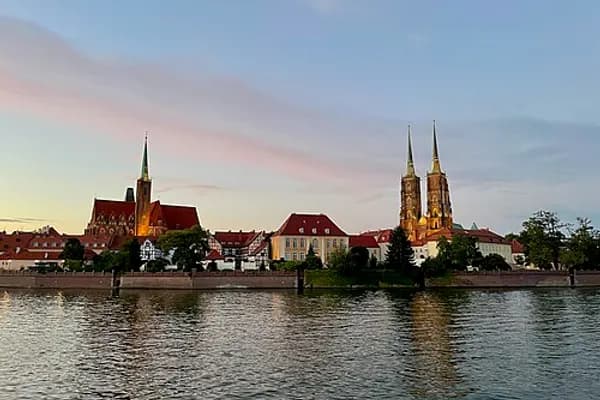
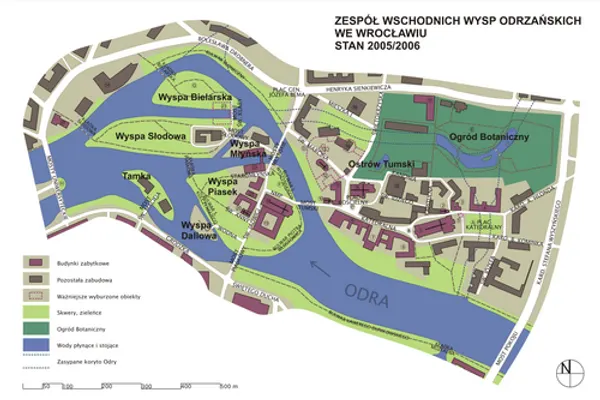
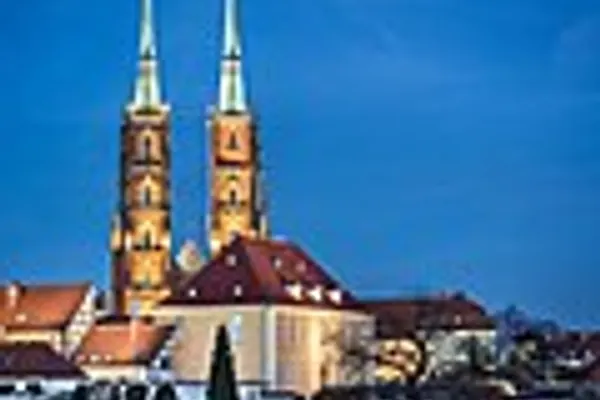
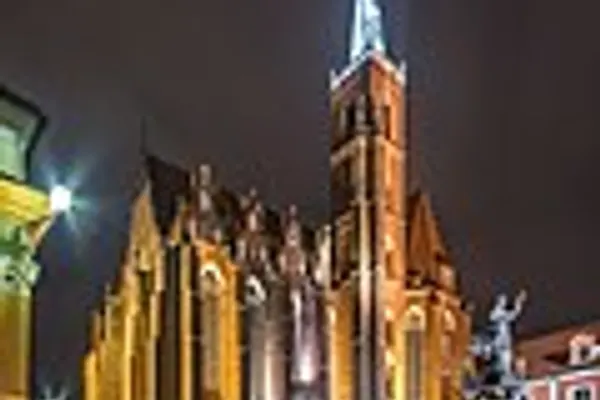
The Cathedral Island (Polish: Ostrów Tumski, ˈɔstrufˈtumski, German: Dominsel, ˈdoːmɪnzəl) is the oldest part of the city of Wrocław in south-western Poland. It was formerly an island (Old Polish: ostrów) between branches of the Oder River. Today it is the city's popular tourist destination. The Cathedral Island in Wrocław is one of the few remaining places in Europe where a lamplighter lights the gas street lamps every evening.
History
Archaeological excavations have shown that the western part of the Cathedral Island, between the Church of St. Martin and the Holy Cross, was the first area to be inhabited. The first, wooden church (St. Martin), dating from the 10th century, was surrounded by defensive walls built on the banks of the river. The island had approximately 1,500 inhabitants at that time.
The first constructions on the Cathedral Island were built in the 10th century by the Piast dynasty, and were made from wood. The first building from solid material was St. Martin's chapel, built probably at the beginning of the eleventh century by Benedictine monks. Not long after the first cathedral was raised, in place of the small church. Religious buildings appeared in the Cathedral Island because during the Congress of Gniezno in AD 1000, it was decided to create a bishopric in Wrocław.
In 1163 the settlement was raided by Boleslaw I the Tall who had returned from his banishment. After taking control of the area and waiting for the political situation in Silesia to stabilize, he chose the Cathedral Island as his new capital. He began replacing the wooden defenses with brick ones and build a Roman-style residence.
In 1315, the Cathedral Island was sold to the church. Since the island ceased to be under secular jurisdiction, it was often used by those who had broken the law in Wrocław, as a place of sanctuary. An interesting indication of the special status of the island was a ban on wearing any headdress by men, effective even on Tumski Bridge beyond the border pole of this small "ecclesiastical nation" (the law also applied to royalty).
In 1503-1538 Nicolaus Copernicus was a canon of the collegiate chapter of the Holy Cross in the Cathedral Island.
Giacomo Casanova lived at the house of Father Bastiani on the island in 1766.
The old Odra riverbed was covered up in the 19th century, thus connecting Cathedral Island with mainland Wrocław.
Gallery
See also
Domfreiheit
References
51°06′56″N 17°02′39″E / 51.115444°N 17.044272°E / 51.115444; 17.044272
External links
Media related to Ostrów Tumski in Wrocław at Wikimedia Commons
(in Polish) Ostrów Tumski we Wrocławiu - Wyspa Katedralna
Museums Hydropolis
Museum of Architecture
Museum of Natural History, University of Wrocław
Museum of the University of Wrocław
National Museum
Ossolineum
Transport Wrocław Airport
Trams in Wrocław
Wrocław Główny railway station
Wrocław central bus station
Other Coat of arms
History of Wrocław Timeline
Battle of Psie Pole
Siege of Breslau
Universities and colleges
Encyclopedic content adapted from the Wikipedia article on Ostrów Tumski, used under CC BY-SA 4.0.