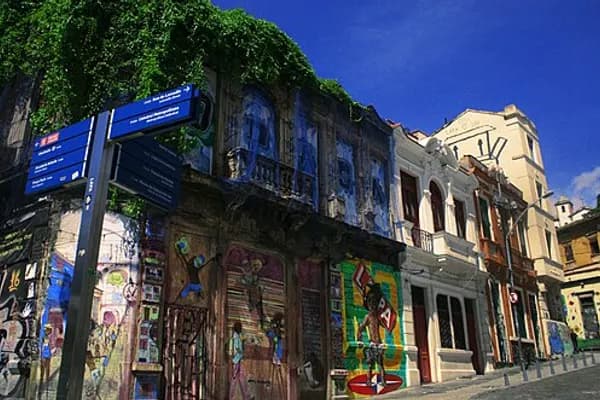
About the neighborhood
Neighborhood in the city of Rio de Janeiro, Brazil
(Learn how and when to remove this message)
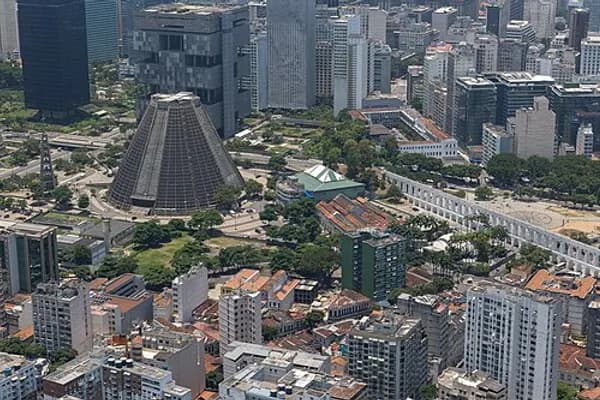
Lapa is a neighborhood in Rio de Janeiro, Brazil. Located in the center of the city, it is famous for its historical monuments and vibrant nightlife.
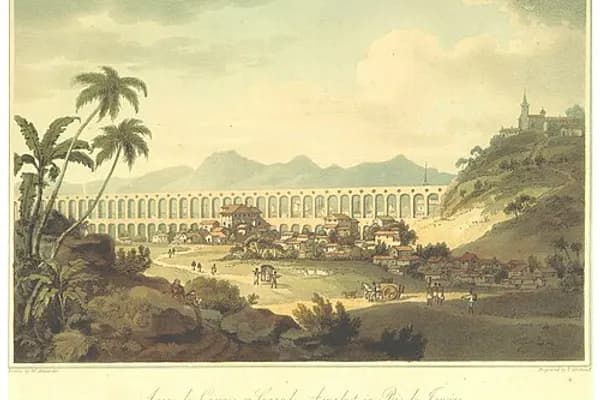
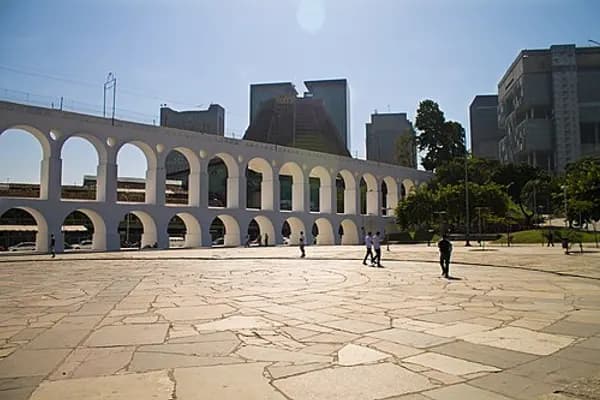
The neighborhood is home to the Arcos da Lapa, an impressive aqueduct constructed by colonial authorities in the mid-18th century. Another important historical attraction is the Passeio Público, the city's first public park, built in the 1780s.
Since the early 1950s, Lapa has been known for its lively cultural scene, featuring numerous restaurants and bars where Brazilian artists and intellectuals gather. It remains renowned for its venues offering various forms of Brazilian music. The Sala Cecília Meireles, an essential venue for chamber music, is also located in Lapa.
Arcos da Lapa
The neighborhood of Lapa in Rio de Janeiro is known as the "cradle of Bohemian Rio". It is also famous for its architecture, beginning with the Arcos da Lapa (also known as the Carioca Aqueduct), which was originally constructed as an aqueduct during Colonial Brazil and now serves as a viaduct for the cable cars that climb the hill of Santa Teresa.
The Carioca Aqueduct is considered a significant architectural work in old Rio and one of the city's main symbols. The large Roman-style structure is 17.6 meters high, 270 meters long, and features 42 arches that connect the neighborhood of Santa Teresa to Morro de Santo Antônio. Built in 1723 during colonial times, the aqueduct was designed to channel water from the Carioca River through Morro do Desterro to Santa Teresa and Morro de Santo Antônio. It played a crucial role in preventing water shortages in the city, a historically persistent problem. While studies to bring the waters of the Carioca River to the city began in the early seventeenth century, the actual installation of water pipes in Rio de Janeiro did not commence until a century later.
In recent times, the landscape of Lapa has transformed, bringing a wave of cultural vibrancy. The Square of the Brazilian Armed Forces, once a quiet spot next to the arches, has been replaced by the lively Circo Voador. Arches Street, once a serene passage across the aqueduct, is now a vibrant venue. The neighborhood's boundary begins at the south end, where the Road of Glory becomes Rua da Lapa. On the border with Santa Teresa, nestled among its hills, is the culturally rich neighborhood of Fátima.
In an attempt to revive the spirit of the deteriorating residential district, its inhabitants created the movement "I Am From Lapa." They drew inspiration from the famous advertising campaign "I Love New York," which they believed helped revitalize New York City during its decline in the 1970s. With government support and the participation of most shops in Lapa, the "I Am From Lapa" movement spread throughout the area, but it did little to improve the safety of the residential environment.
Lapa enjoys lower population density and less traffic compared to other regions of the city. The neighborhood is home to the headquarters and administrative buildings of many large companies (such as Petrobras and BNDES), as well as numerous high-quality commercial buildings on Chile Avenue (including Ventura I and II). These features have attracted residents from the north, south, and west of Rio de Janeiro who seek to live closer to work and to avoid traffic jams. Newly launched residential projects with comprehensive infrastructure (such as Viva Lapa and Cores da Lapa) have been fully sold, reflecting a high demand for housing in a neighborhood perceived to offer a high standard of living.
Culture
The neighborhood offers a melting pot of diverse urban tribes, an attractive quality for those who love to go out and keep the night alive. Since the 1950s, Lapa has been referred to as "Montmartre Carioca." Intellectuals, artists, politicians, and especially the people of Rio have come together to celebrate samba, forró, MPB (música popular brasileira), choro, and, more recently, electronic music and rock.
The major thoroughfares, Mem de Sá, Rua do Riachuelo, and Lavradio, feature attractions such as the Sala Cecília Meireles, which is considered one of the best concert venues for chamber music in Rio.
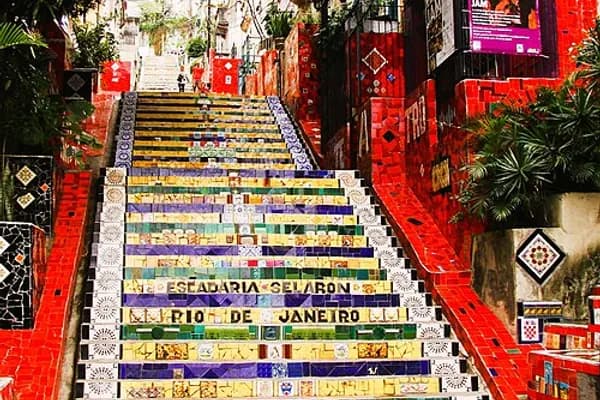
The Public Promenade, the National School of Music, the Church of Our Lady of Lapa do Desterro, and the Escadaria Selarón stand as monuments for tourists who want to explore the architecture of old Rio.
Music
Popular nightlife attractions include the famous Asa Branca, a key venue for forró; Bar Semente, where artists such as Teresa Cristina and the group Casuarina have performed; Ernesto; Sacrilégio Café Cultural; Rio Scenarium; and Carioca da Gema, where samba reigns supreme. The venue Lapa 40 Graus, which recently opened on Rua do Riachuelo next to the traditional Democratic Club, offers space for dancing samba, choro, and gafieira. Those who prefer electronic music and rock concerts can enjoy Progress and Casting Flying Circus, which opened in 2004. There are also numerous bars and venues catering to all tastes.
References
Official touritic site of Rio de Janeiro city
External links
Photo Tour of Lapa, Rio de Janeiro
Lapa Map and Attractions
Encyclopedic content adapted from the Wikipedia article on Lapa, used under CC BY-SA 4.0.
What makes Lapa special
Lapa stands out among Rio de Janeiro’s neighborhoods for its distinctive character: samba, arches, friday night. Ranked #4 in Rio de Janeiro, it offers the kind of experience that defines a great city trip — a place where the streets themselves tell a story and every block rewards curiosity.
Best for
Our take on Lapa
Lapa occupies a distinctive place in Rio de Janeiro's neighborhood landscape. It is the kind of district that rewards travelers who venture beyond the obvious choices — quieter than the tourist-facing areas, richer in local character, and full of the small details that make a city trip memorable.
What makes Lapa worth the visit is the texture of daily life here. It is a neighborhood that functions for the people who live in it — not just for the visitors who pass through. The shops serve local needs, the restaurants feed local appetites, and the streets have a rhythm that reflects genuine community rather than tourism infrastructure. That is the quality our editors prize most, and Lapa has it in abundance.
Our editors recommend budgeting at least half a day here — enough time to walk the main streets, sit down for coffee, and discover the side streets where Lapa's real character lives.
Living in Lapa
Lapa is connected to the rest of Rio de Janeiro by public transit, and most visitors find it straightforward to reach from the city center or airport. Once you arrive, the neighborhood is best explored on foot — the scale is human and the streets reward wandering.
Day-to-day life in Lapa has the rhythm of a genuine residential neighborhood. You will find grocery stores, pharmacies, cafés with morning regulars, and the kind of small independent shops that only survive where locals support them. For visitors, this means the infrastructure you need — good coffee, a decent meal, a quiet place to sit — is always within a short walk.
Accommodation in Lapa ranges from boutique hotels to short-term rentals. We generally recommend staying within the neighborhood itself rather than commuting from a hotel elsewhere in Rio de Janeiro — the experience of waking up inside a great neighborhood is fundamentally different from visiting one as a day trip.
What locals say about Lapa
Long-term residents of Lapa tend to describe their neighborhood with a mix of pride and protectiveness. Like any district with genuine character, Lapa inspires loyalty — the kind of place people move to and never quite leave, or leave and spend years trying to get back to.
What locals appreciate most about Lapa is its consistency — the feeling that the neighborhood works the same way on a Tuesday morning as it does on a Saturday night. It is not a place that performs for visitors and then goes quiet. The rhythm is genuine, the community is real, and the daily experience of living here is what draws people and keeps them.
Compared to the more famous districts in Rio de Janeiro, Lapa has maintained a lower profile, which many residents consider an advantage. The neighborhood evolves gradually rather than being reshaped by sudden attention, and the result is a community that still feels organic rather than curated.
Visitor tips
- Lapa is located in Rio de Janeiro, Brazil. The neighborhood is accessible by public transport, taxi, or rideshare from most parts of the city.
- Morning is often the best time to explore — the streets are quieter, the light is better for photography, and cafes are at their most welcoming.
- Wear comfortable walking shoes — the best way to experience Lapa is on foot, wandering the side streets and discovering what lies around each corner.
- Save the neighborhood's location on your phone before you arrive. Offline maps are especially useful for navigating the smaller side streets.