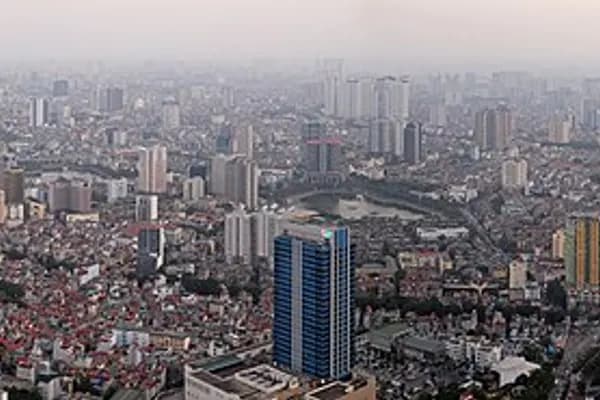
About the neighborhood
Urban district in Red River Delta, Vietnam
Ba Đình is one of the four original urban districts (quận) of Hanoi, the capital city of Vietnam. The district currently has 14 wards, covering a total area of 9.21 square kilometres (3.56sqmi). As of 2019, there were 221,893 people residing in the district, the population density is 24,000 inhabitants per square kilometer.
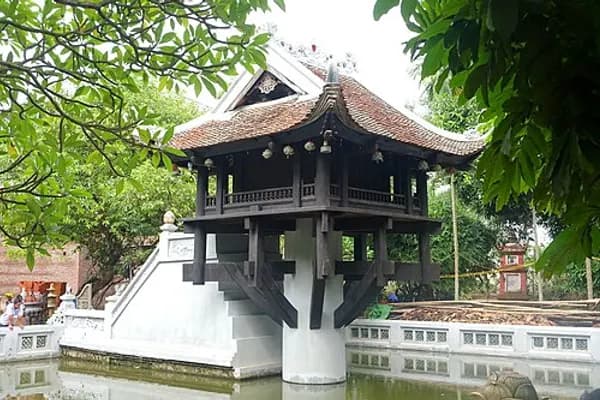
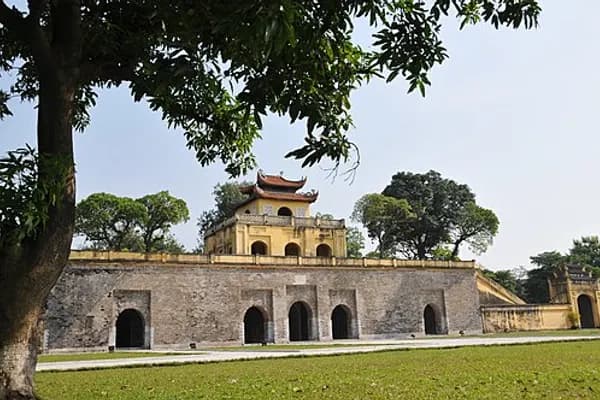
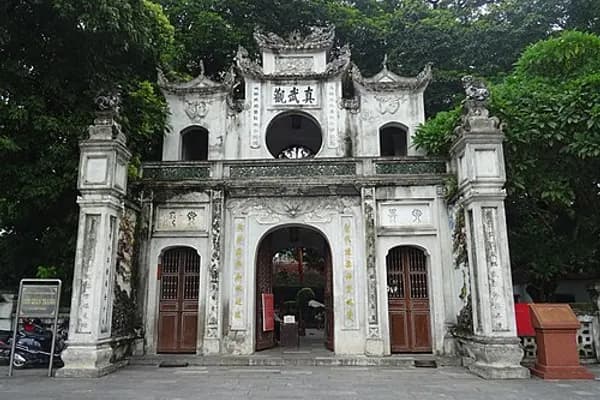
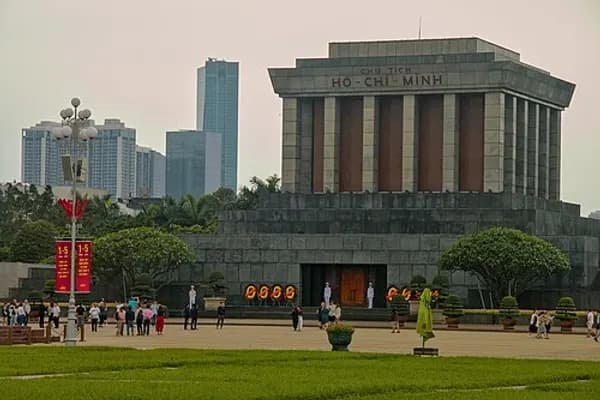
Ba Đình district has a large number of monuments, landmarks and relics, including Ho Chi Minh Mausoleum, One Pillar Pagoda, Flag Tower of Hanoi and Imperial Citadel of Thăng Long, a UNESCO World Heritage Site.
Ba Đình is the political center of Vietnam. Most of the government offices and embassies are located here including the most important sites of the Vietnamese state such as the Ba Đình Square, the Presidential Palace, the National Assembly Building, the Government Office and the Communist Party of Vietnam central headquarters. It was formerly called the "French Quarter" (Khu phố Pháp) because of a high concentration of French-styled villas and government buildings built when Hanoi was the capital of French Indochina. This name is still used in travel literature. The southern half of Hoàn Kiếm district is also called the "French Quarter", also because of numerous French-styled buildings, most of which are now used as foreign embassies.
The wreckage of a B-52 bomber shot down during the Vietnam War can be seen in Hữu Tiệp Lake in the Ngọc Hà neighborhood.
History
One of the oldest remaining structures in the neighborhood is the One Pillar Pagoda, built under the Lý dynasty. In 1901, the Presidential Palace was built. On September 2, 1945, Ho Chi Minh read the Declaration of Independence at Ba Dinh Square to approximately 500,000 people. Following his death in 1969, the preserved body of Ho Chi Minh was put on display in the Hồ Chí Minh Mausoleum, located in Ba Dinh Square, in 1975.
Location
Ba Đình is located at 21° 2′ 12″ N, 105° 50′ 10″ E, in the center of Hanoi. It's surrounded to the north by Tây Hồ, to the east by the Red River, to the south by Đống Đa, to the southeast by Hoàn Kiếm and to the west by Cầu Giấy.
Administrative divisions
The district contains 14 wards (phường)
Cống Vị
Điện Biên
Đội Cấn
Giảng Võ
Kim Mã
Liễu Giai
Ngọc Hà
Ngọc Khánh
Nguyễn Trung Trực
Phúc Xá
Quán Thánh
Thành Công
Trúc Bạch
Vĩnh Phúc
Education
International schools:
Hanoi International School
Singapore International School (SIS), Vạn Phúc in the Vạn Phúc Diplomatic Compound
Gallery
Notes
References
21°02′12″N 105°50′10″E / 21.03667°N 105.83611°E / 21.03667; 105.83611
Encyclopedic content adapted from the Wikipedia article on Ba Dinh, used under CC BY-SA 4.0.
What makes Ba Dinh special
Ba Dinh stands out among Hanoi’s neighborhoods for its distinctive character: hanoi's political heart. Ranked #4 in Hanoi, it offers the kind of experience that defines a great city trip — a place where the streets themselves tell a story and every block rewards curiosity.
Best for
Our take on Ba Dinh
Ba Dinh occupies a distinctive place in Hanoi's neighborhood landscape. It is the kind of district that rewards travelers who venture beyond the obvious choices — quieter than the tourist-facing areas, richer in local character, and full of the small details that make a city trip memorable.
What makes Ba Dinh exceptional is the density of its cultural life. Art galleries, independent bookshops, small theaters, and creative studios are woven into the fabric of the neighborhood rather than clustered in a single zone. You encounter culture here by accident, which is how the best cultural experiences always happen.
Our editors recommend budgeting at least half a day here — enough time to walk the main streets, sit down for coffee, and discover the side streets where Ba Dinh's real character lives.
Living in Ba Dinh
Ba Dinh is connected to the rest of Hanoi by public transit, and most visitors find it straightforward to reach from the city center or airport. Once you arrive, the neighborhood is best explored on foot — the scale is human and the streets reward wandering.
Day-to-day life in Ba Dinh has the rhythm of a genuine residential neighborhood. You will find grocery stores, pharmacies, cafés with morning regulars, and the kind of small independent shops that only survive where locals support them. For visitors, this means the infrastructure you need — good coffee, a decent meal, a quiet place to sit — is always within a short walk.
Accommodation in Ba Dinh ranges from boutique hotels to short-term rentals. We generally recommend staying within the neighborhood itself rather than commuting from a hotel elsewhere in Hanoi — the experience of waking up inside a great neighborhood is fundamentally different from visiting one as a day trip.
What locals say about Ba Dinh
Long-term residents of Ba Dinh tend to describe their neighborhood with a mix of pride and protectiveness. Like any district with genuine character, Ba Dinh inspires loyalty — the kind of place people move to and never quite leave, or leave and spend years trying to get back to.
The creative community in Ba Dinh is genuine, not aspirational. Residents include working artists, writers, musicians, and designers who chose the neighborhood because it supported their work — affordable studio space, a community that values craft, and enough foot traffic to sustain independent galleries and shops.
Compared to the more famous districts in Hanoi, Ba Dinh has maintained a lower profile, which many residents consider an advantage. The neighborhood evolves gradually rather than being reshaped by sudden attention, and the result is a community that still feels organic rather than curated.
Visitor tips
- Ba Dinh is located in Hanoi, Vietnam. The neighborhood is accessible by public transport, taxi, or rideshare from most parts of the city.
- Morning is often the best time to explore — the streets are quieter, the light is better for photography, and cafes are at their most welcoming.
- Wear comfortable walking shoes — the best way to experience Ba Dinh is on foot, wandering the side streets and discovering what lies around each corner.
- Save the neighborhood's location on your phone before you arrive. Offline maps are especially useful for navigating the smaller side streets.