About the neighborhood
Urban district in Red River Delta, Vietnam
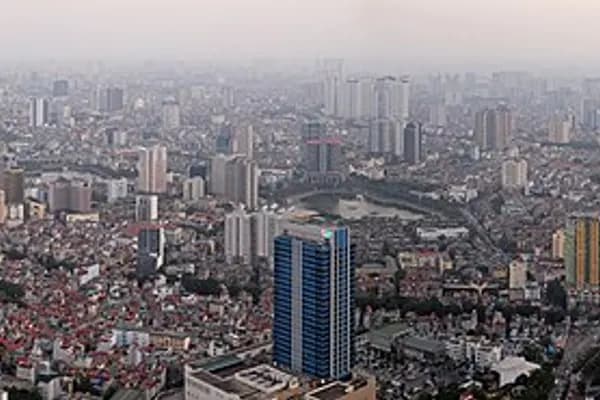
Ba Đình is one of the four original urban districts (quận) of Hanoi, the capital city of Vietnam. The district currently has 14 wards, covering a total area of 9.21 square kilometres (3.56sqmi). As of 2019, there were 221,893 people residing in the district, the population density is 24,000 inhabitants per square kilometer.
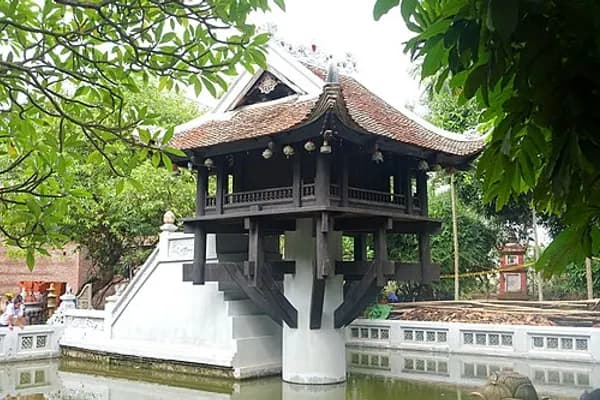
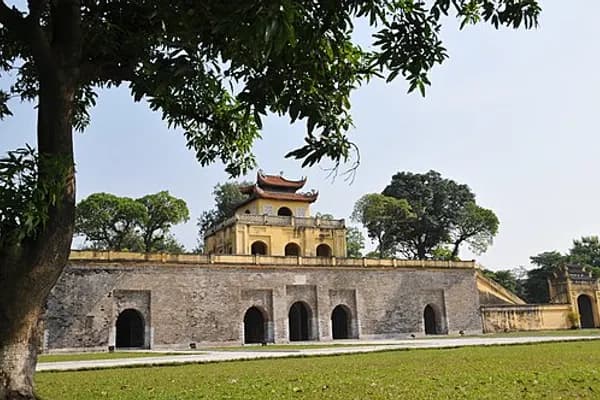
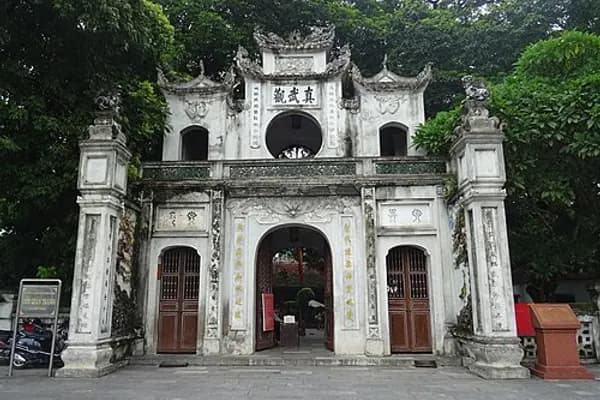
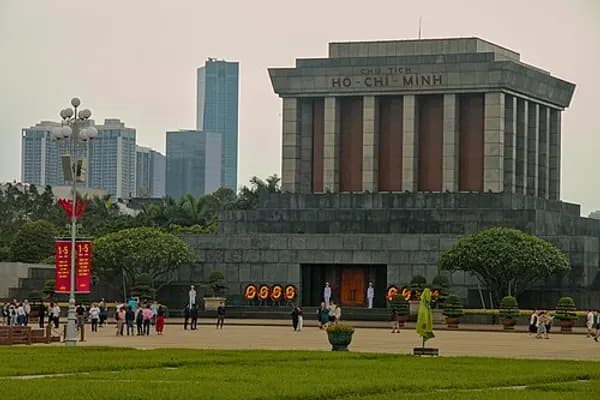
Ba Đình district has a large number of monuments, landmarks and relics, including Ho Chi Minh Mausoleum, One Pillar Pagoda, Flag Tower of Hanoi and Imperial Citadel of Thăng Long, a UNESCO World Heritage Site.
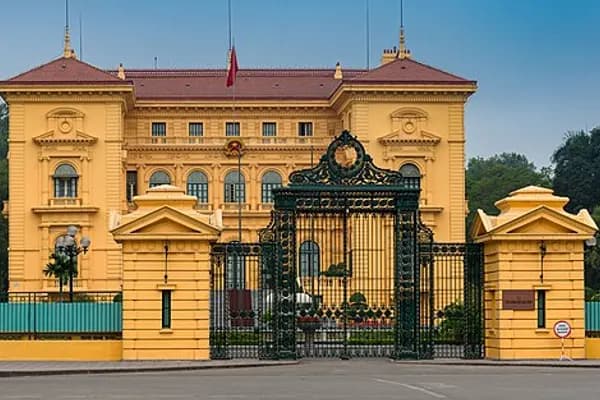
Ba Đình is the political center of Vietnam. Most of the government offices and embassies are located here including the most important sites of the Vietnamese state such as the Ba Đình Square, the Presidential Palace, the National Assembly Building, the Government Office and the Communist Party of Vietnam central headquarters. It was formerly called the "French Quarter" (Khu phố Pháp) because of a high concentration of French-styled villas and government buildings built when Hanoi was the capital of French Indochina. This name is still used in travel literature. The southern half of Hoàn Kiếm district is also called the "French Quarter", also because of numerous French-styled buildings, most of which are now used as foreign embassies.
The wreckage of a B-52 bomber shot down during the Vietnam War can be seen in Hữu Tiệp Lake in the Ngọc Hà neighborhood.
History
One of the oldest remaining structures in the neighborhood is the One Pillar Pagoda, built under the Lý dynasty. In 1901, the Presidential Palace was built. On September 2, 1945, Ho Chi Minh read the Declaration of Independence at Ba Dinh Square to approximately 500,000 people. Following his death in 1969, the preserved body of Ho Chi Minh was put on display in the Hồ Chí Minh Mausoleum, located in Ba Dinh Square, in 1975.
Location
Ba Đình is located at 21° 2′ 12″ N, 105° 50′ 10″ E, in the center of Hanoi. It's surrounded to the north by Tây Hồ, to the east by the Red River, to the south by Đống Đa, to the southeast by Hoàn Kiếm and to the west by Cầu Giấy.
Administrative divisions
The district contains 14 wards (phường)
Cống Vị
Điện Biên
Đội Cấn
Giảng Võ
Kim Mã
Liễu Giai
Ngọc Hà
Ngọc Khánh
Nguyễn Trung Trực
Phúc Xá
Quán Thánh
Thành Công
Trúc Bạch
Vĩnh Phúc
Education
International schools:
Hanoi International School
Singapore International School (SIS), Vạn Phúc in the Vạn Phúc Diplomatic Compound
Gallery
Notes
References
21°02′12″N 105°50′10″E / 21.03667°N 105.83611°E / 21.03667; 105.83611
Encyclopedic content adapted from the Wikipedia article on French Quarter, used under CC BY-SA 4.0.
What makes French Quarter special
French Quarter stands out among Hanoi’s neighborhoods for its distinctive character: colonial hanoi, tree-lined. Ranked #2 in Hanoi, it offers the kind of experience that defines a great city trip — a place where the streets themselves tell a story and every block rewards curiosity.
Best for
Our take on French Quarter
French Quarter is one of the strongest neighborhoods in Hanoi, and it consistently appears in our editors' personal favorites lists. It may not always get the same attention as the city's most famous district, but among travelers who know Hanoi well, French Quarter is often the first recommendation.
What makes French Quarter worth the visit is the texture of daily life here. It is a neighborhood that functions for the people who live in it — not just for the visitors who pass through. The shops serve local needs, the restaurants feed local appetites, and the streets have a rhythm that reflects genuine community rather than tourism infrastructure. That is the quality our editors prize most, and French Quarter has it in abundance.
Our editors recommend budgeting at least half a day here — enough time to walk the main streets, sit down for coffee, and discover the side streets where French Quarter's real character lives.
Living in French Quarter
French Quarter is connected to the rest of Hanoi by public transit, and most visitors find it straightforward to reach from the city center or airport. Once you arrive, the neighborhood is best explored on foot — the scale is human and the streets reward wandering.
Day-to-day life in French Quarter has the rhythm of a genuine residential neighborhood. You will find grocery stores, pharmacies, cafés with morning regulars, and the kind of small independent shops that only survive where locals support them. For visitors, this means the infrastructure you need — good coffee, a decent meal, a quiet place to sit — is always within a short walk.
Accommodation in French Quarter ranges from boutique hotels to short-term rentals. We generally recommend staying within the neighborhood itself rather than commuting from a hotel elsewhere in Hanoi — the experience of waking up inside a great neighborhood is fundamentally different from visiting one as a day trip.
What locals say about French Quarter
Long-term residents of French Quarter tend to describe their neighborhood with a mix of pride and protectiveness. Like any district with genuine character, French Quarter inspires loyalty — the kind of place people move to and never quite leave, or leave and spend years trying to get back to.
What locals appreciate most about French Quarter is its consistency — the feeling that the neighborhood works the same way on a Tuesday morning as it does on a Saturday night. It is not a place that performs for visitors and then goes quiet. The rhythm is genuine, the community is real, and the daily experience of living here is what draws people and keeps them.
Like any neighborhood that has earned attention, French Quarter is navigating the tension between popularity and preservation. Rents have risen, new businesses have arrived, and long-time residents occasionally grumble that the neighborhood is not what it was. But the fundamentals — the walkability, the food, the community — remain strong, and most locals we speak to believe the neighborhood is still gaining more than it is losing.
Visitor tips
- French Quarter is located in Hanoi, Vietnam. The neighborhood is accessible by public transport, taxi, or rideshare from most parts of the city.
- Morning is often the best time to explore — the streets are quieter, the light is better for photography, and cafes are at their most welcoming.
- Wear comfortable walking shoes — the best way to experience French Quarter is on foot, wandering the side streets and discovering what lies around each corner.
- Save the neighborhood's location on your phone before you arrive. Offline maps are especially useful for navigating the smaller side streets.