About the neighborhood
Neighborhood in Allegheny County, Pennsylvania, United States
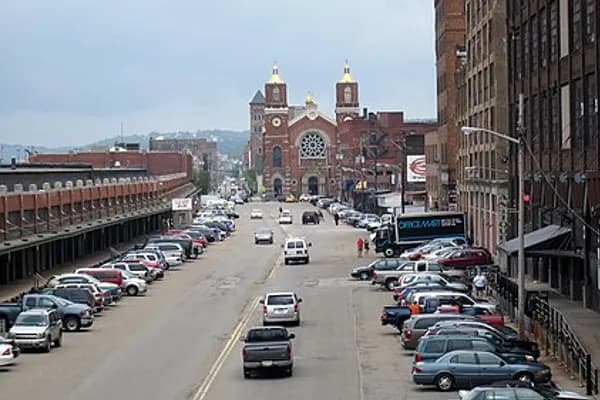
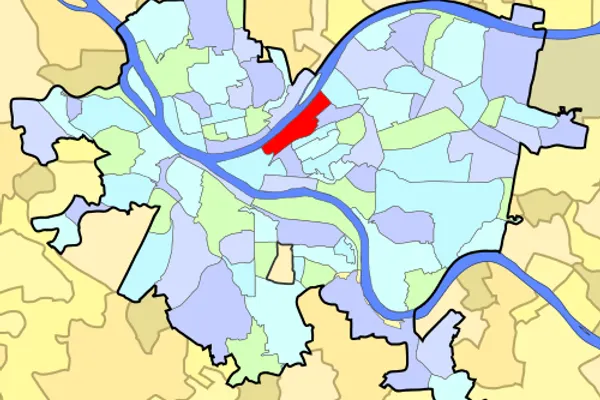
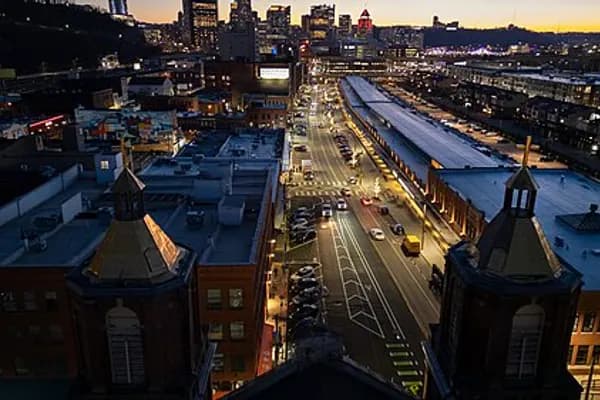
The Strip District is a neighborhood in Pittsburgh, Pennsylvania, United States. It is a one-half square mile area of land northeast of the central business district bordered to the north by the Allegheny River and to the south by portions of the Hill District. The Strip District runs between 11th and 33rd Streets and includes four main thoroughfares—Railroad Street/Waterfront Place, Smallman Street, Penn Avenue, and Liberty Avenue—as well as various side streets.
A warehouse district that was once home to many mills and factories, today the Strip District is a destination for groceries, restaurants, bars, and art. Recently, it has become home to dozens of tech and robotics companies as well as a rapidly growing residential population.
History
In the early 19th century, the Strip District was home to many mills and factories as its location along the Allegheny River made for easy transportation of goods and shipping of raw materials. It was the home of the Fort Pitt Foundry, source of large cannons before and during the American Civil War, including a 20-inch (510mm) bore Rodman Gun. Early industrial tenants of the Strip District included U.S. Steel, Westinghouse, The Pittsburgh Reduction Company (ALCOA), and later The H.J. Heinz Company, famous ketchup and condiment manufacturer.
The shipping infrastructure built around the manufacturing companies attracted other types of merchants to set up shop in the Strip. By the early 20th century, the Strip District became a vibrant network of wholesalers—mostly fresh produce, meat, and poultry dealers. Soon, auction houses rose around the wholesale warehouses. Many restaurants and grocery stores opened to feed hungry shift workers at any hour of the day. By the 1920s, the Strip District was the economic center of Pittsburgh. During the Great Depression, Old St. Patrick's became a center of social justice activity under the tenure of "labor priest" James Renshaw Cox.
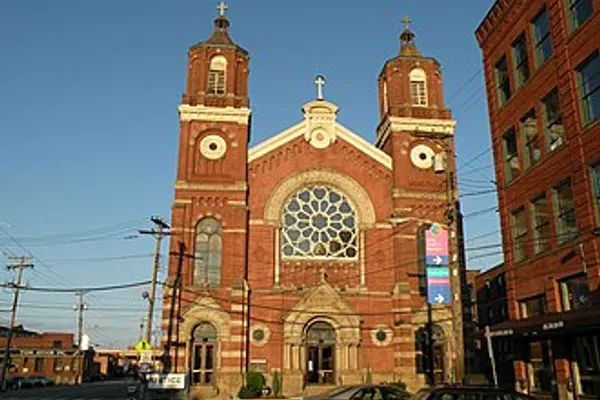
By the mid-to-late 20th century, fewer of the Strip's products were being shipped by rail and boat, causing many produce sellers and wholesalers to leave the area for other space with easier access to highways, or where there was more land available for expansion. In the early 21st century, there are still several wholesalers and produce dealers in the Strip District, but some estimates say more than 80% of the produce industry left the area, preceded by the manufacturing plants and mills in the mid to late 20th century restructuring of industry. Today, many of the abandoned warehouses have been renovated as small specialty shops, restaurants, nightclubs, and bars. The historic St. Stanislaus Kostka Church, an 1891 landmark built in the ornate Polish Cathedral style, lies in the heart of the Strip District and served early generations of Polish immigrants.
Today
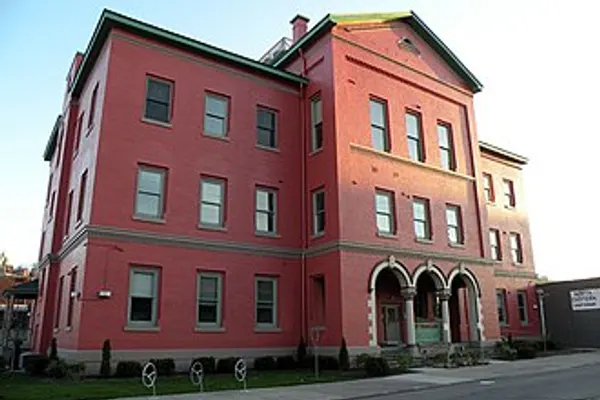
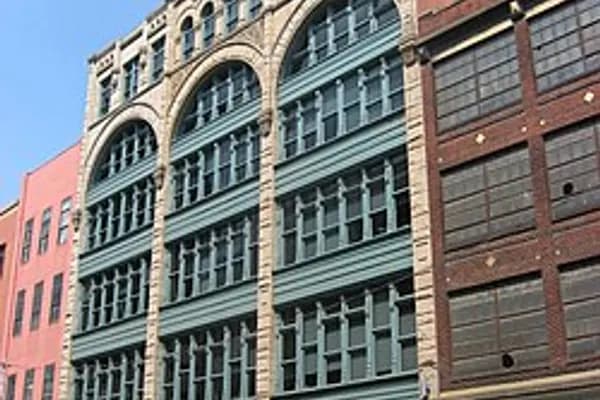
Since the late 20th century, the area has developed into a historic market district with many ethnic food purveyors, some art studios, antique dealers, unique boutiques, and other businesses setting up shop where trains once delivered produce by the ton. The lack of weekday activity is in someways compensated by retail and leisure facilities which are used primarily on weekends. Particularly in the summer months, there are open-air farmers' markets, a range of street vendors and facilities to enjoy open air drinks. Residential developers have begun to convert old factory and warehouse buildings into apartments and lofts. Examples include the Armstrong Cork Factory, Brake House Lofts, and the Otto Milk Building. The area is the long-time home of the renowned Pittsburgh Ballet Theatre.
More recently, the area has attracted a number of technology companies and become a hotbed for autonomous vehicle and robotics technology. The area is home to Uber's Advanced Technology Group, which leads the company's vehicular automation efforts, as well Argo AI and Aurora Innovation. Other technology companies with offices in the Strip District include Apple, Facebook, Denso, Robert Bosch GmbH, Target Corporation, Wombat Security, JazzHR, Petuum, and BossaNova Robotics.
Surrounding and adjacent Pittsburgh neighborhoods
The Strip District has five land borders, including Downtown to the southwest, Crawford-Roberts, Bedford Dwellings and Polish Hill to the south, and Lower Lawrenceville to the northeast.
Across the Allegheny River, the Strip runs adjacent with the North Shore and Troy Hill with direct links to both neighborhoods via 16th Street and 31st Street Bridges, respectively.
Gallery
See also
Wholey's
Pittsburgh Public Market
Enrico Biscotti Company
Heinz History Center
Primanti Brothers
Bar Marco
References
Further reading
Washington Post article
Toker, Franklin (1994) . Pittsburgh: An Urban Portrait. Pittsburgh: University of Pittsburgh Press. ISBN0-8229-5434-6.
Kadushin, Raphael (August 2003). "15222: Come Hungry". National Geographic. pp.114–122. Archived from the original on July 27, 2003. Retrieved August 26, 2007.
External links
Wikivoyage has a travel guide for Strip District & Lawrenceville.
Wikimedia Commons has media related to Strip District (Pittsburgh).
Neighborhood website Archived 2008-09-14 at the Wayback Machine
Test Strips Pittsburgh
Former municipalities
Encyclopedic content adapted from the Wikipedia article on Strip District, used under CC BY-SA 4.0.
What makes Strip District special
Strip District stands out among Pittsburgh’s neighborhoods for its distinctive character: pittsburgh's food market quarter. Ranked #2 in Pittsburgh, it offers the kind of experience that defines a great city trip — a place where the streets themselves tell a story and every block rewards curiosity.
Best for
Our take on Strip District
Strip District is one of the strongest neighborhoods in Pittsburgh, and it consistently appears in our editors' personal favorites lists. It may not always get the same attention as the city's most famous district, but among travelers who know Pittsburgh well, Strip District is often the first recommendation.
What strikes us most about Strip District is the depth of its food culture. This is not a neighborhood with a few good restaurants — it is a neighborhood where eating well is woven into daily life, where the corner places are as good as the destination spots, and where you could eat every meal for a week without repeating yourself or being disappointed.
Our editors recommend budgeting at least half a day here — enough time to walk the main streets, sit down for coffee, and discover the side streets where Strip District's real character lives.
Living in Strip District
Strip District is connected to the rest of Pittsburgh by public transit, and most visitors find it straightforward to reach from the city center or airport. Once you arrive, the neighborhood is best explored on foot — the scale is human and the streets reward wandering.
Dining options range from quick, affordable local spots to more deliberate sit-down restaurants. The neighborhood supports a genuine food ecosystem — bakeries, grocery shops, specialty stores — which means you can eat well at every price point. Weekend mornings tend to be the most atmospheric time for a food-focused walk.
Accommodation in Strip District ranges from boutique hotels to short-term rentals. We generally recommend staying within the neighborhood itself rather than commuting from a hotel elsewhere in Pittsburgh — the experience of waking up inside a great neighborhood is fundamentally different from visiting one as a day trip.
What locals say about Strip District
Long-term residents of Strip District tend to describe their neighborhood with a mix of pride and protectiveness. Like any district with genuine character, Strip District inspires loyalty — the kind of place people move to and never quite leave, or leave and spend years trying to get back to.
Ask a local what they love most, and the answer almost always starts with the food. Residents have strong opinions about which bakery is best, which café makes the best morning coffee, which restaurant they bring visiting friends to as proof that Strip District is the best neighborhood in Pittsburgh. The food culture here is not performative — it is the backbone of community life.
Like any neighborhood that has earned attention, Strip District is navigating the tension between popularity and preservation. Rents have risen, new businesses have arrived, and long-time residents occasionally grumble that the neighborhood is not what it was. But the fundamentals — the walkability, the food, the community — remain strong, and most locals we speak to believe the neighborhood is still gaining more than it is losing.
Visitor tips
- Strip District is located in Pittsburgh, United States. The neighborhood is accessible by public transport, taxi, or rideshare from most parts of the city.
- For the best food experience, visit during lunchtime on weekdays when locals fill the restaurants, or explore weekend markets if available.
- Wear comfortable walking shoes — the best way to experience Strip District is on foot, wandering the side streets and discovering what lies around each corner.
- Save the neighborhood's location on your phone before you arrive. Offline maps are especially useful for navigating the smaller side streets.