About the neighborhood
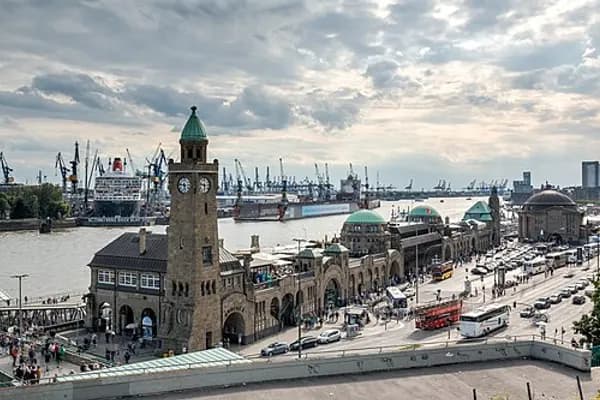
Quarter of Hamburg in Germany
A stroll along the Reeperbahn reveals an area where history and hedonism collide, creating a distinctly raw yet vibrant atmosphere. Once a haven for sailors seeking solace from life at sea, this iconic stretch is now synonymous with nightlife and an unapologetic embrace of the unconventional. With a population hovering around 22,000 as of 2020, St. Pauli is far from a mere tourist attraction; it’s a living, breathing entity steeped in a storied past that informs its present.
The roots of this neighborhood stretch back to the early 17th century, when it emerged as 'Hamburger Berg,' a suburb on the periphery of Hamburg that was both a refuge for businesses deemed too noisy or odorous for the city’s center and a workspace for rope makers—hence the name Reeperbahn or “Rope Maker's Walk.” It wasn’t until the late 1600s that people were permitted to settle here, transforming the area into a playground for sailors and, subsequently, a crucible for entertainment. From opulent theaters to raucous bars, St. Pauli has continuously adapted to the whims of its visitors and residents, embodying both high culture and the underbelly of urban life.
In the decades since, St. Pauli has faced its share of social upheaval and conflict, particularly surrounding issues like the Hafenstraße protests and the occupation of the Rote Flora cultural center. Yet, rather than dampening its spirit, these challenges have only added layers to its identity, making it a focal point for activism and alternative culture. Today, the neighborhood melds its storied past with modernity, offering everything from pulsating nightclubs to intimate cafés where one can enjoy a locally brewed Astra beer, all while the echoes of its historical complexities linger in the air.
Whether you seek a night of revelry or a glimpse into the artistic soul of Hamburg, this neighborhood invites you to explore its myriad offerings, reminding you that in St. Pauli, the night is always young and the stories never end.
Encyclopedic content adapted from the Wikipedia article on St. Pauli, used under CC BY-SA 4.0.