About the neighborhood
Area in Hong Kong
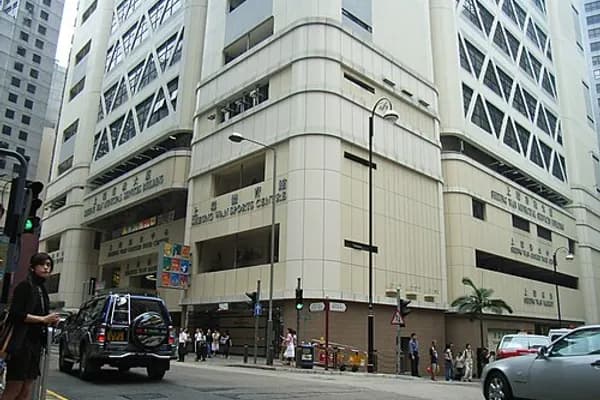
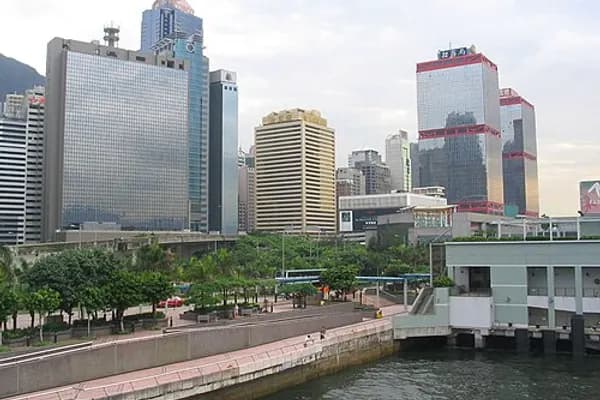
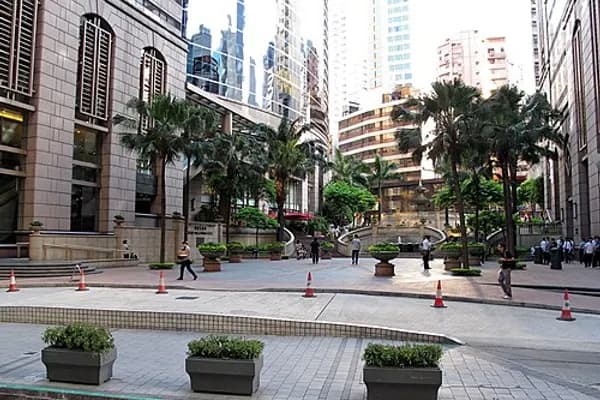
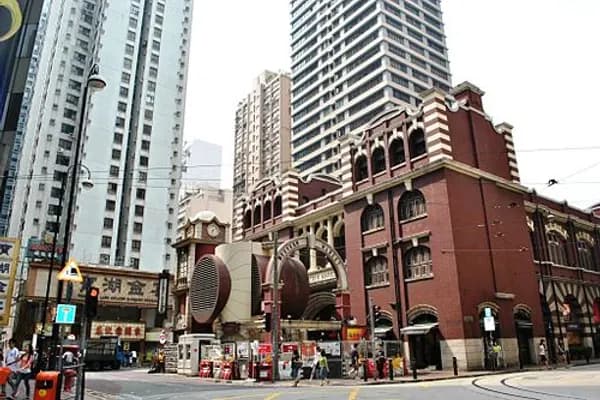
Sheung Wan is where the old and the new collide with a refreshing clarity, crafting an urban tapestry that is both rich in history and alive with contemporary culture. The area serves as a testament to Hong Kong's layered past, where the whispers of British colonialism mingle with the buzz of modern life. Strolling along Possession Street, you can almost hear the echoes of the British forces who first claimed this land in 1842—an act marked by a simple plaque nestled in Hollywood Road Park. This is not merely a neighborhood; it’s the very birthplace of modern Hong Kong, situated strategically between the bustling Central and the more laid-back Sai Ying Pun.
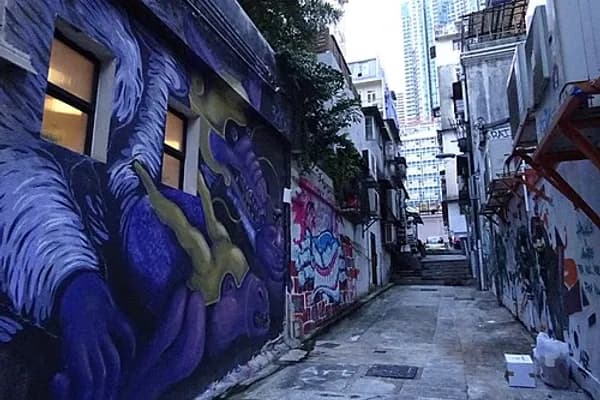
The streets of Sheung Wan are a delight for the senses. Venture into the narrow lanes and you'll be greeted by a medley of traditional dried seafood vendors, their wares filling the air with the briny scent of the ocean. Meanwhile, a stone's throw away, the third-wave coffee scene is thriving, with artisanal cafes like The Cupping Room and Coffee Academics providing a sharp counterpoint to the salty aromas. The juxtaposition is striking; one minute you’re tasting the umami of century-old culinary traditions, the next you’re sipping on meticulously brewed single-origin coffee, showcasing the neighborhood's ability to honor its heritage while embracing modern trends.
Art and culture thrive here as well. The Asia Art Archive invites those with an eye for contemporary art to dive into a collection that reflects the city’s dynamic creative landscape. Meanwhile, the Hong Kong Museum of Medical Sciences offers a fascinating glimpse into the evolution of healthcare in the region, housed within a beautifully preserved historical building. And don’t miss a visit to the iconic Man Mo Temple, where incense coils twist towards the heavens, creating an atmosphere ripe for reflection amidst the urban hustle.
Whether you're seeking a taste of history, a caffeine fix, or just a spot to soak up the lively atmosphere, Sheung Wan serves as a compelling reminder of Hong Kong’s complex identity. It’s a neighborhood that invites exploration and rewards curiosity, making it a worthy stop on any urban itinerary.
Encyclopedic content adapted from the Wikipedia article on Sheung Wan, used under CC BY-SA 4.0.
What makes Sheung Wan special
Sheung Wan stands out among Hong Kong’s neighborhoods for its distinctive character: dried seafood meets third-wave coffee. It tops our ranking of the best neighborhoods in Hong Kong, it offers the kind of experience that defines a great city trip — a place where the streets themselves tell a story and every block rewards curiosity.
Best for
Our take on Sheung Wan
Sheung Wan is the neighborhood we send friends to first when they visit Hong Kong. It earns the top spot in our ranking not because it is the most famous district in the city, but because it delivers the most complete neighborhood experience — the kind of place where every block rewards curiosity and every return visit reveals something new.
What strikes us most about Sheung Wan is the depth of its food culture. This is not a neighborhood with a few good restaurants — it is a neighborhood where eating well is woven into daily life, where the corner places are as good as the destination spots, and where you could eat every meal for a week without repeating yourself or being disappointed.
Our editors recommend budgeting at least half a day here — enough time to walk the main streets, sit down for coffee, and discover the side streets where Sheung Wan's real character lives.
Living in Sheung Wan
Sheung Wan is connected to the rest of Hong Kong by public transit, and most visitors find it straightforward to reach from the city center or airport. Once you arrive, the neighborhood is best explored on foot — the scale is human and the streets reward wandering.
Dining options range from quick, affordable local spots to more deliberate sit-down restaurants. The neighborhood supports a genuine food ecosystem — bakeries, grocery shops, specialty stores — which means you can eat well at every price point. Weekend mornings tend to be the most atmospheric time for a food-focused walk.
Accommodation in Sheung Wan ranges from boutique hotels to short-term rentals. We generally recommend staying within the neighborhood itself rather than commuting from a hotel elsewhere in Hong Kong — the experience of waking up inside a great neighborhood is fundamentally different from visiting one as a day trip.
What locals say about Sheung Wan
Long-term residents of Sheung Wan tend to describe their neighborhood with a mix of pride and protectiveness. Like any district with genuine character, Sheung Wan inspires loyalty — the kind of place people move to and never quite leave, or leave and spend years trying to get back to.
Ask a local what they love most, and the answer almost always starts with the food. Residents have strong opinions about which bakery is best, which café makes the best morning coffee, which restaurant they bring visiting friends to as proof that Sheung Wan is the best neighborhood in Hong Kong. The food culture here is not performative — it is the backbone of community life.
Like any neighborhood that has earned attention, Sheung Wan is navigating the tension between popularity and preservation. Rents have risen, new businesses have arrived, and long-time residents occasionally grumble that the neighborhood is not what it was. But the fundamentals — the walkability, the food, the community — remain strong, and most locals we speak to believe the neighborhood is still gaining more than it is losing.
Visitor tips
- Sheung Wan is located in Hong Kong, Hong Kong. The neighborhood is accessible by public transport, taxi, or rideshare from most parts of the city.
- For the best food experience, visit during lunchtime on weekdays when locals fill the restaurants, or explore weekend markets if available.
- Wear comfortable walking shoes — the best way to experience Sheung Wan is on foot, wandering the side streets and discovering what lies around each corner.
- Save the neighborhood's location on your phone before you arrive. Offline maps are especially useful for navigating the smaller side streets.