About the neighborhood
District of Rome in Italy
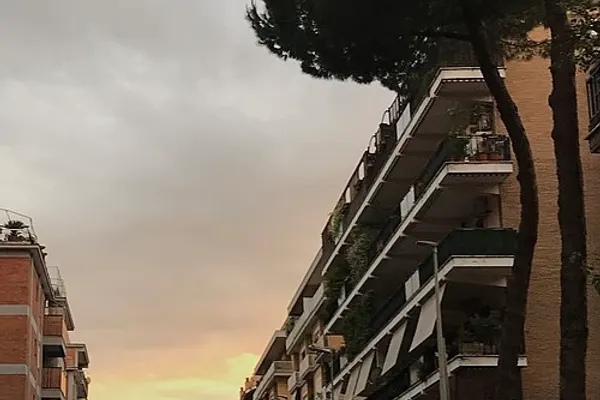
Columbus is a residential district in Rome, Italy, in Balduina, located north of the city centre.
History
In the past, the Columbus area was part of one of the largest estates outside Porta Angelica: the Pigneto estate, owned by the Sacchetti family, originally from Florence, who settled in Rome around the mid-1500s. The estate had a rural and a manorial part, the latter featuring a noble casino (built between 1625 and 1630) by Pietro da Cortona, now destroyed. It was a complex adorned with loggias, statues, nymphs, and water fountains, creating a strong scenic impact.
The reasons for the early and rapid abandonment of the building and estate (between the 17th and 18th centuries) leading to the destruction of the casino are uncertain. In 1861, the Sacchetti family sold the entire estate to Prince Alessandro Torlonia.
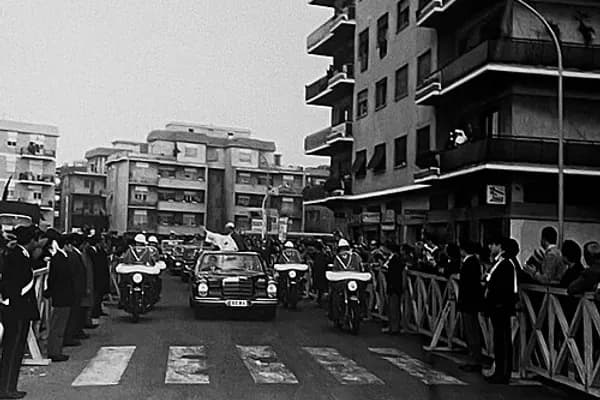
The neighborhood emerged during the economic boom years as a residential center surrounded by greenery, initially called "Villa del Pineto" or "Parco di Balduina." It was built by the "Società Edilizia Pineto," owned by the Torlonia family and the Società generale immobiliare.
The current name comes from the Columbus Integrated Complex, a hospital structure that was once private, established in the 1960s and initially named "Clinica «G. Moscati»" (the road leading to it is still named after Giuseppe Moscati). Later, it became "Clinica Columbus," and since the 2000s, the complex has been managed by the Agostino Gemelli University Polyclinic. Presently, the neighborhood is overseen by a private consortium and is part of the urban area 19F Pineto, with 1452 residents out of a total of 1921.
Parks and gardens
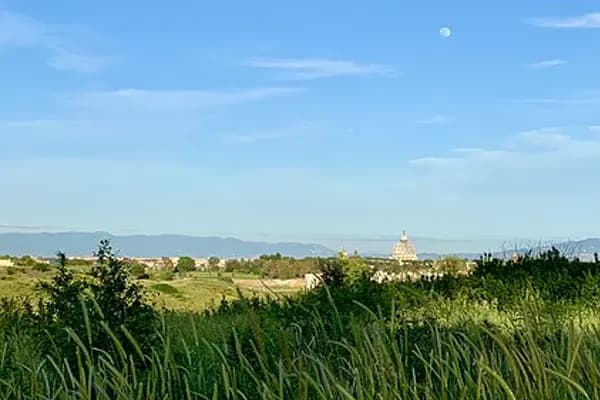
Pineto Regional Park is a protected natural area, instituted in 1987. It has the total area of approximately 240 hectares.
Buildings
The Gesù Divino Maestro Church is one of the most important modern churches of Rome. In 2006 it won the "Merit Award" for Liturgical Design del Faith and Form Award.
References
Encyclopedic content adapted from the Wikipedia article on Pigneto, used under CC BY-SA 4.0.
What makes Pigneto special
Pigneto stands out among Rome’s neighborhoods for its distinctive character: rome's gritty creative frontier. Ranked #4 in Rome, it offers the kind of experience that defines a great city trip — a place where the streets themselves tell a story and every block rewards curiosity.
Best for
Our take on Pigneto
Pigneto occupies a distinctive place in Rome's neighborhood landscape. It is the kind of district that rewards travelers who venture beyond the obvious choices — quieter than the tourist-facing areas, richer in local character, and full of the small details that make a city trip memorable.
What strikes us most about Pigneto is the depth of its food culture. This is not a neighborhood with a few good restaurants — it is a neighborhood where eating well is woven into daily life, where the corner places are as good as the destination spots, and where you could eat every meal for a week without repeating yourself or being disappointed.
Our editors recommend budgeting at least half a day here — enough time to walk the main streets, sit down for coffee, and discover the side streets where Pigneto's real character lives.
Living in Pigneto
Pigneto is connected to the rest of Rome by public transit, and most visitors find it straightforward to reach from the city center or airport. Once you arrive, the neighborhood is best explored on foot — the scale is human and the streets reward wandering.
Day-to-day life in Pigneto has the rhythm of a genuine residential neighborhood. You will find grocery stores, pharmacies, cafés with morning regulars, and the kind of small independent shops that only survive where locals support them. For visitors, this means the infrastructure you need — good coffee, a decent meal, a quiet place to sit — is always within a short walk.
Accommodation in Pigneto ranges from boutique hotels to short-term rentals. We generally recommend staying within the neighborhood itself rather than commuting from a hotel elsewhere in Rome — the experience of waking up inside a great neighborhood is fundamentally different from visiting one as a day trip.
What locals say about Pigneto
Long-term residents of Pigneto tend to describe their neighborhood with a mix of pride and protectiveness. Like any district with genuine character, Pigneto inspires loyalty — the kind of place people move to and never quite leave, or leave and spend years trying to get back to.
The creative community in Pigneto is genuine, not aspirational. Residents include working artists, writers, musicians, and designers who chose the neighborhood because it supported their work — affordable studio space, a community that values craft, and enough foot traffic to sustain independent galleries and shops.
Compared to the more famous districts in Rome, Pigneto has maintained a lower profile, which many residents consider an advantage. The neighborhood evolves gradually rather than being reshaped by sudden attention, and the result is a community that still feels organic rather than curated.
Visitor tips
- Pigneto is located in Rome, Italy. The neighborhood is accessible by public transport, taxi, or rideshare from most parts of the city.
- Morning is often the best time to explore — the streets are quieter, the light is better for photography, and cafes are at their most welcoming.
- Wear comfortable walking shoes — the best way to experience Pigneto is on foot, wandering the side streets and discovering what lies around each corner.
- Save the neighborhood's location on your phone before you arrive. Offline maps are especially useful for navigating the smaller side streets.