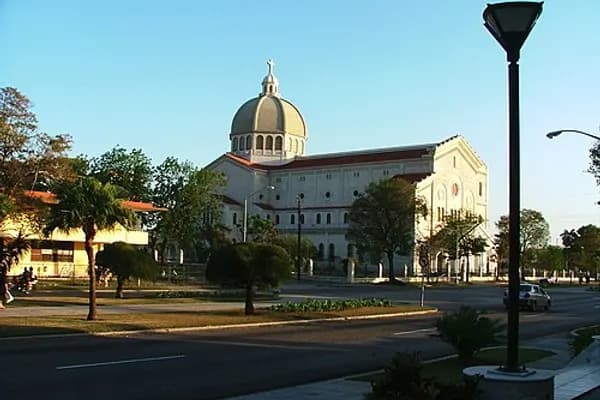
About the neighborhood
District of Havana in Cuba
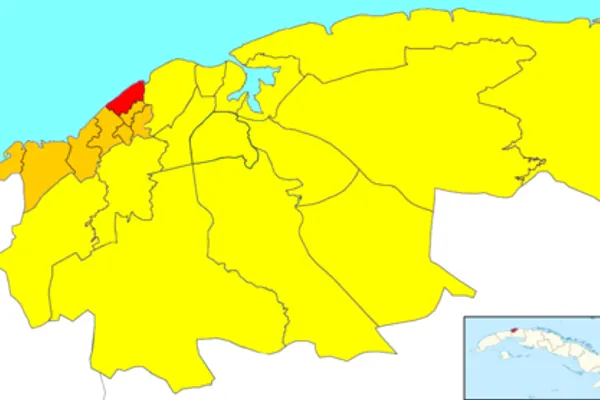
Miramar is a residential district (zona residencial) of the municipality of Playa, in the city of Havana.
Overview
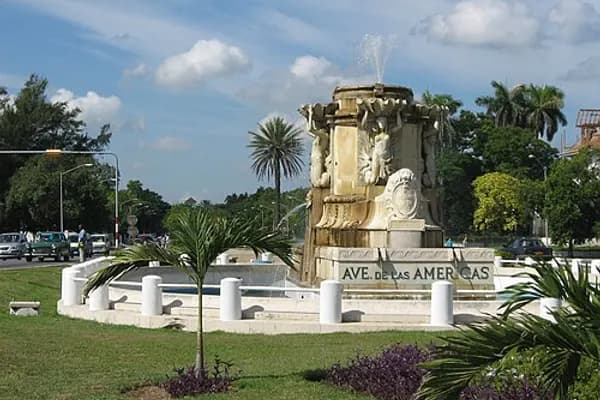
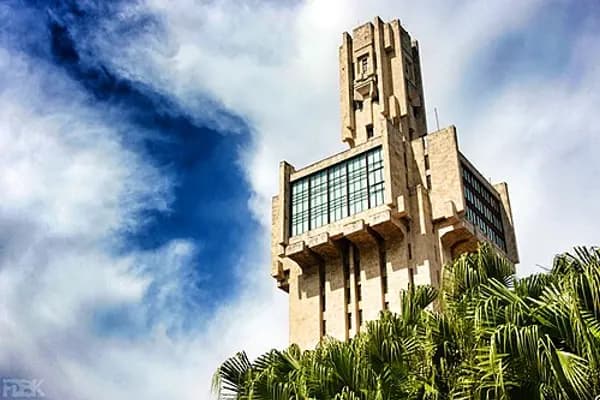
Many embassies, including the landmark Russian Embassy, are located in Miramar - in particular on Quinta Avenida (Fifth Avenue) before called Avenida de las Américas (Avenue of the Americas).
Prior to the Revolution, the neighborhood was home to many of Havana's upscale residents. There are many large houses and mansions here. This district and the Country Club (Cubanacán) were the most glamorous spaces in the Havana of the 50s. There are also some of Havana's more modern hotels, such as Hotel Melia Habana, Oasis Panorama Hotel and Occidental Miramar, beaches and private rental houses (known as casas particulares). Also located here is the International School of Havana.
Since the late 1990s, several office blocks have been built in a complex called Centro de Negocios Miramar - the "Miramar Trade Center".
Points of interest
Quinta Avenida (Fifth Avenue)
Casa de Alberto de Armas (1926), a restored Beaux-Arts mansion at Calle 2 by architect Jorge Luis Echarte
Reloj de Quinta Avenida at Calle 10, a large clock erected in 1924 in the central median
Museum of the Ministry of the Interior (Museo del Ministerio del Interior) at Calle 12
Casa del Habano (between Calles 14 and 16) (also in the Melia Habana near the Miramar Trade Center and Club Habana)
Teatro Miramar at Calle 94
Parque de los Ahorcados (Park of the Hanged), between Calles 24 and 26, "shaded by massive jagüey trees, seemingly supported by their aerial roots dangling like cascades of water"
Karl Marx Theater (Teatro Karl Marx) in the park
Plaza Emiliano Zapata, with a life-size stone statue of Zapata, Mexico’s revolutionary hero
Rosita De Hornedo Hotel, now the CIMEX corporation, located in first avenue between 0 and 2.
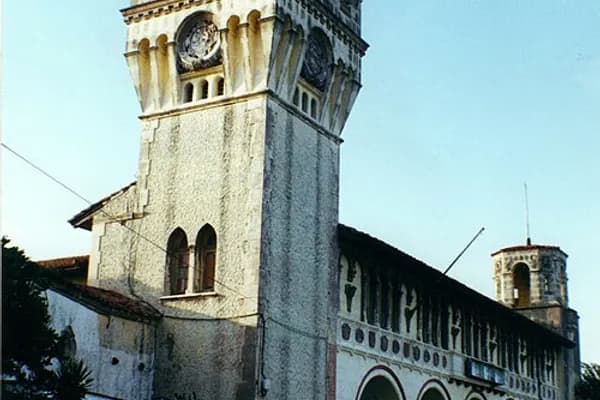
Iglesia de Santa Rita de Casia (at Calle 26) — a modernist church from 1942 which mixes neocolonial and modern features by architect Victor Morales. Features a modernist statue of Santa Rita by Rita Longa
Gracious mansions, many of them foreign embassies
Iglesia San Antonio de Padua (at Calle 60) — Modernist-style Romanesque church (1949) by architects Eloy Norman and Salvador Figueras
Russian Embassy (1988) (between Calles 62 and 66) by architects Alexander Rochegov and Basilio Piasecki
Occidental Miramar hotel, site of the former Peruvian Embassy
Hotel Barceló Habana Ciudad (between Calles 76 and 80)
Miramar Trade Center
Iglesia de Jesús de Miramar (between Calles 80 and 82), built in 1953 with a magnificent organ with 5,000 pipes. The restored church features 14 splendid oversize paintings of the Stations of the Cross by Spanish artist César Hombrados Oñativa.
El Ajibe, a restaurant visited by Anthony Bourdain on his Travel Channel program "No Reservations".
Old Miramar Yacht Club, now a club for Cuban air force officers. The picture at right is wrong. For pictures of the Club go to miramaryachtclub.com.
Source: "Walking Quinta Avenida", Moon Travel Guides
Parks
Parque Ecológico Monte Barreto, 9th Avenue west of Calle 70
Parque de los Ahorcados (Park of the Hanged), Quinta Avenida between Calles 24 and 26
Education
The International School of Havana, an English-language international school, is in Miramar.
The Centro Educativo Español de La Habana (CEEH), a Spanish-language international school, is in Miramar.
Notable people
Cristina Saralegui was born in Miramar, Havana.
References
External links
Wikimedia Commons has media related to Miramar.
Hotels in Miramar, Havana Travel and tourism
MonumentsAreas 23°7′21″N 82°25′10″W / 23.12250°N 82.41944°W / 23.12250; -82.41944 (Miramar)
Encyclopedic content adapted from the Wikipedia article on Miramar, used under CC BY-SA 4.0.
What makes Miramar special
Miramar stands out among Havana’s neighborhoods for its distinctive character: leafy, diplomatic havana. Ranked #3 in Havana, it offers the kind of experience that defines a great city trip — a place where the streets themselves tell a story and every block rewards curiosity.
Best for
Our take on Miramar
Miramar is one of the strongest neighborhoods in Havana, and it consistently appears in our editors' personal favorites lists. It may not always get the same attention as the city's most famous district, but among travelers who know Havana well, Miramar is often the first recommendation.
What makes Miramar worth the visit is the texture of daily life here. It is a neighborhood that functions for the people who live in it — not just for the visitors who pass through. The shops serve local needs, the restaurants feed local appetites, and the streets have a rhythm that reflects genuine community rather than tourism infrastructure. That is the quality our editors prize most, and Miramar has it in abundance.
Our editors recommend budgeting at least half a day here — enough time to walk the main streets, sit down for coffee, and discover the side streets where Miramar's real character lives.
Living in Miramar
Miramar is connected to the rest of Havana by public transit, and most visitors find it straightforward to reach from the city center or airport. Once you arrive, the neighborhood is best explored on foot — the scale is human and the streets reward wandering.
Day-to-day life in Miramar has the rhythm of a genuine residential neighborhood. You will find grocery stores, pharmacies, cafés with morning regulars, and the kind of small independent shops that only survive where locals support them. For visitors, this means the infrastructure you need — good coffee, a decent meal, a quiet place to sit — is always within a short walk.
Accommodation in Miramar ranges from boutique hotels to short-term rentals. We generally recommend staying within the neighborhood itself rather than commuting from a hotel elsewhere in Havana — the experience of waking up inside a great neighborhood is fundamentally different from visiting one as a day trip.
What locals say about Miramar
Long-term residents of Miramar tend to describe their neighborhood with a mix of pride and protectiveness. Like any district with genuine character, Miramar inspires loyalty — the kind of place people move to and never quite leave, or leave and spend years trying to get back to.
What locals appreciate most about Miramar is its consistency — the feeling that the neighborhood works the same way on a Tuesday morning as it does on a Saturday night. It is not a place that performs for visitors and then goes quiet. The rhythm is genuine, the community is real, and the daily experience of living here is what draws people and keeps them.
Compared to the more famous districts in Havana, Miramar has maintained a lower profile, which many residents consider an advantage. The neighborhood evolves gradually rather than being reshaped by sudden attention, and the result is a community that still feels organic rather than curated.
Visitor tips
- Miramar is located in Havana, Cuba. The neighborhood is accessible by public transport, taxi, or rideshare from most parts of the city.
- Morning is often the best time to explore — the streets are quieter, the light is better for photography, and cafes are at their most welcoming.
- Wear comfortable walking shoes — the best way to experience Miramar is on foot, wandering the side streets and discovering what lies around each corner.
- Save the neighborhood's location on your phone before you arrive. Offline maps are especially useful for navigating the smaller side streets.