About the neighborhood
Ward in Madrid
Malasaña stands as a testament to Madrid's unapologetic spirit, where history and modernity collide in a symphony of street art and vintage boutiques. This district, embracing the rebellious soul of the city, is bordered by Gran Vía to the south and Calle de Fuencarral to the east, creating a square that pulses with an independent energy. At its core, the Plaza del Dos de Mayo honors the brave uprising of 1808, where a young girl, Manuela Malasaña, became a symbol of defiance against French occupation. This square is not just a gathering point; it is a vibrant reminder of the neighborhood's roots and its continuing legacy of resistance.
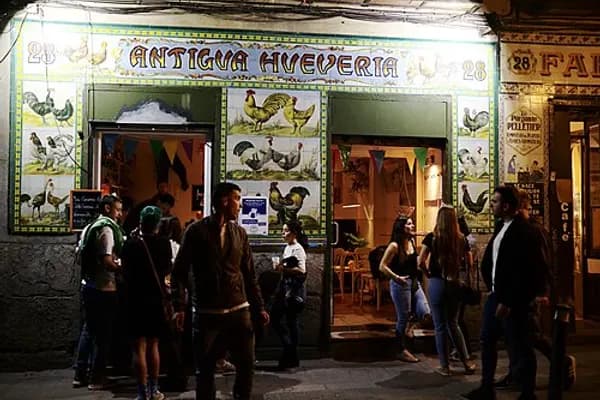
Wander through the streets, and you’ll find a tapestry of cultural offerings that reflect the area's rich history. The late 1970s and 1980s saw Malasaña emerge as the epicenter of the movida movement, a cultural revolution that transformed Spanish creative expression in the wake of Franco's dictatorship. Today, remnants of that vibrant past are visible in the eclectic mix of bars, galleries, and shops lining the streets. Venues like La Vía Láctea and Tupperware remain popular haunts for locals and visitors alike, where one can sip on a craft beer while soaking in the artistic atmosphere that has lured filmmakers like Pedro Almodóvar to capture its essence on screen.
Food and drink in Malasaña are as diverse as its residents. From the artisanal coffee shops on Calle de San Andrés to the tapas bars hidden in plain sight, there’s no shortage of culinary delights. Try the patatas bravas at a local tavern or indulge in inventive cocktails at one of the many speakeasies. The neighborhood’s commitment to independent business is palpable, with shops like La Fábrica de Chocolate and various vintage stores offering an alternative to the corporate chains that dominate other parts of the city.
Visiting Malasaña is like stepping into a living canvas, a place where every corner reveals a story worth telling. Whether you're a history buff, an art aficionado, or just someone in search of a good time, this neighborhood invites you to explore its depths and embrace its unique character.
Encyclopedic content adapted from the Wikipedia article on Malasaña, used under CC BY-SA 4.0.