About the neighborhood
Neighborhood in Hennepin, Minnesota, United States
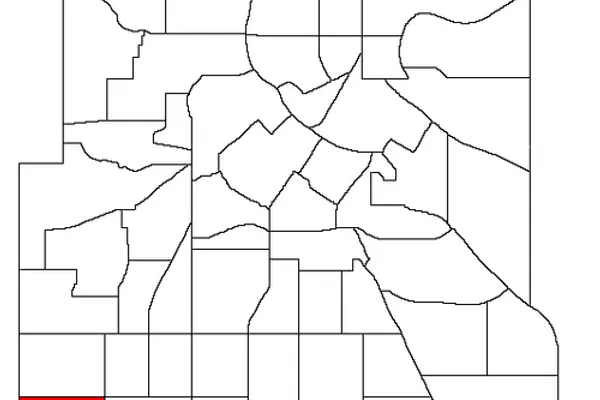
Linden Hills is a neighborhood in the Southwest community of Minneapolis on a hill overlooking Lake Harriet. It was one of the last areas to be developed in the City of Minneapolis. It is bordered to the north by Bde Maka Ska and West 36th Street, to the east by Lake Harriet and William Berry Parkway, to the south by West 47th Street, and to the west by France Avenue. Southwest High School is located at the southern edge of the neighborhood on West 47th Street between Abbott and Chowen Avenues. The neighborhood is named for the linden trees and rolling hills found in the area.
The majority of Linden Hills is in ward 13, though parts of the Minikahda Club golf course within Linden Hills rest in Ward 7. It is also within state legislative district 61B.
According to the 2000 U.S. Census, there were 7,370people in the neighborhood, of whom 94% were white, 1% were black, 0.5% were Native American, 2% were Asian American/Pacific Islander, and 2.5% were other/two or more races.
History
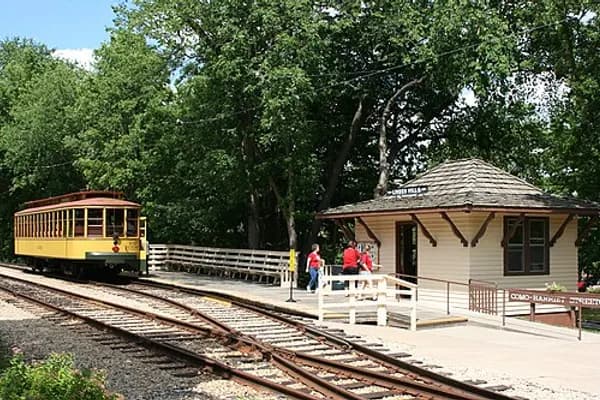
A majority of the land around where neighborhood is today was cottages and open land until the 1870s. The area started growing following the extension of the Como-Harriet Streetcar Line through the neighborhood. It gained a reputation as popular destination area for the young and wealthy of Minneapolis to get away from the city.
The Lake Harriet Bandshell is located on the lakeshore on the eastern edge of the neighborhood. The current bandshell, constructed in 1985, is a fifth-generation music venue on the lake. The first two were destroyed by fire, the third was destroyed by a wind storm, and the fourth was demolished in 1985. The main platform and carbarn of the Como-Harriet Streetcar Line are also located in the neighborhood, near West 42nd Street and Queen Avenue.
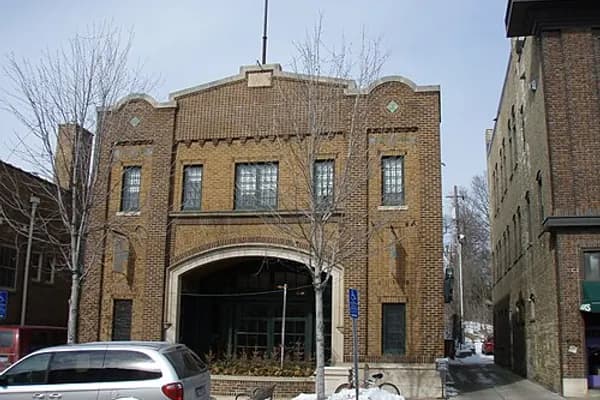
The neighborhood's commercial corridor, centering on Upton Avenue and 43rd Street, was constructed along the Como-Harriet streetcar line in the 1920s and is today home to many shops and dining establishments. It was the home of the second location of what became the Famous Dave's restaurant chain in 1995 and was designed like an old-fashioned BBQ shack; it was closed in 2014 after the property was sold for redevelopment into a denser mixed-use project of condominiums and retail.
The Linden Hills area was featured in a scene of the 1996 film Jingle All The Way.
References
External links
Minneapolis Neighborhood Profile – Linden Hills
Linden Hills Neighborhood Council
Linden Hills Business Association
Businesses in Linden Hills
Southwest Minneapolis Business Directory (NEHBA sponsored)
Linden Hills History Study Group
Neighborhood photos
Encyclopedic content adapted from the Wikipedia article on Linden Hills, used under CC BY-SA 4.0.
What makes Linden Hills special
Linden Hills stands out among Minneapolis’s neighborhoods for its distinctive character: minneapolis' lakeside village. Ranked #4 in Minneapolis, it offers the kind of experience that defines a great city trip — a place where the streets themselves tell a story and every block rewards curiosity.
Best for
Our take on Linden Hills
Linden Hills occupies a distinctive place in Minneapolis's neighborhood landscape. It is the kind of district that rewards travelers who venture beyond the obvious choices — quieter than the tourist-facing areas, richer in local character, and full of the small details that make a city trip memorable.
What makes Linden Hills worth the visit is the texture of daily life here. It is a neighborhood that functions for the people who live in it — not just for the visitors who pass through. The shops serve local needs, the restaurants feed local appetites, and the streets have a rhythm that reflects genuine community rather than tourism infrastructure. That is the quality our editors prize most, and Linden Hills has it in abundance.
Our editors recommend budgeting at least half a day here — enough time to walk the main streets, sit down for coffee, and discover the side streets where Linden Hills's real character lives.
Living in Linden Hills
Linden Hills is connected to the rest of Minneapolis by public transit, and most visitors find it straightforward to reach from the city center or airport. Once you arrive, the neighborhood is best explored on foot — the scale is human and the streets reward wandering.
Day-to-day life in Linden Hills has the rhythm of a genuine residential neighborhood. You will find grocery stores, pharmacies, cafés with morning regulars, and the kind of small independent shops that only survive where locals support them. For visitors, this means the infrastructure you need — good coffee, a decent meal, a quiet place to sit — is always within a short walk.
Accommodation in Linden Hills ranges from boutique hotels to short-term rentals. We generally recommend staying within the neighborhood itself rather than commuting from a hotel elsewhere in Minneapolis — the experience of waking up inside a great neighborhood is fundamentally different from visiting one as a day trip.
What locals say about Linden Hills
Long-term residents of Linden Hills tend to describe their neighborhood with a mix of pride and protectiveness. Like any district with genuine character, Linden Hills inspires loyalty — the kind of place people move to and never quite leave, or leave and spend years trying to get back to.
What locals appreciate most about Linden Hills is its consistency — the feeling that the neighborhood works the same way on a Tuesday morning as it does on a Saturday night. It is not a place that performs for visitors and then goes quiet. The rhythm is genuine, the community is real, and the daily experience of living here is what draws people and keeps them.
Compared to the more famous districts in Minneapolis, Linden Hills has maintained a lower profile, which many residents consider an advantage. The neighborhood evolves gradually rather than being reshaped by sudden attention, and the result is a community that still feels organic rather than curated.
Visitor tips
- Linden Hills is located in Minneapolis, United States. The neighborhood is accessible by public transport, taxi, or rideshare from most parts of the city.
- Morning is often the best time to explore — the streets are quieter, the light is better for photography, and cafes are at their most welcoming.
- Wear comfortable walking shoes — the best way to experience Linden Hills is on foot, wandering the side streets and discovering what lies around each corner.