About the neighborhood
LGA in Lagos State, Nigeria
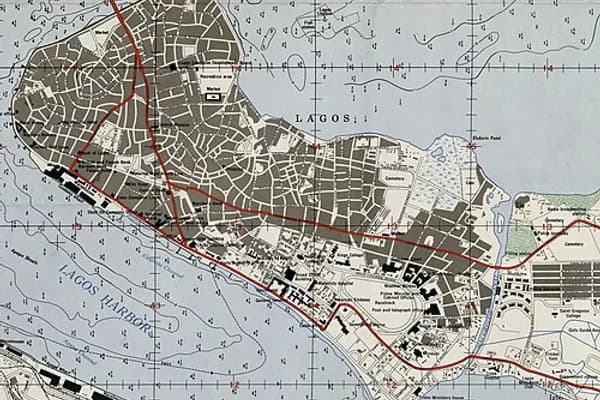
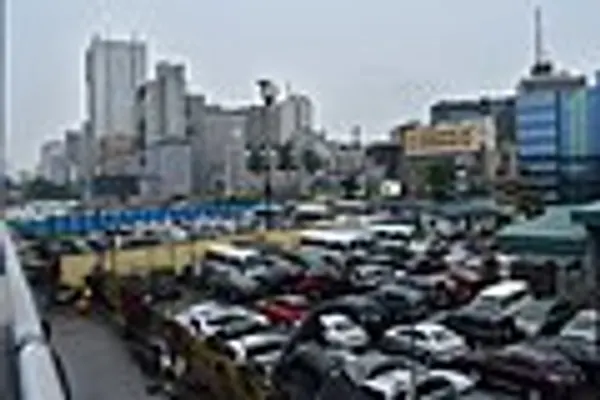
Lagos IslandListen (Yoruba: Ìsàlẹ̀ Èkó) is the principal and central Local Government Area (LGA) in Lagos, Nigeria. It was the capital of Lagos State until 1957. It is part of the Lagos Division. As of the preliminary 2006 Nigerian census, the LGA had a population of 209,437 within an area of just 8.7km. The LGA only covers the western half of Lagos Island; the eastern half is simply referred to as Lagos Island East LCDA.
Overview
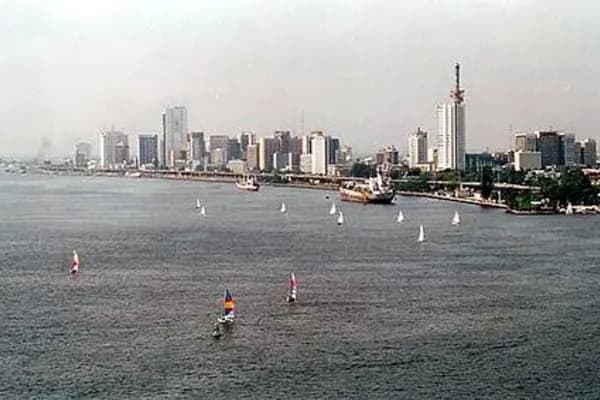
Lying on Lagos Lagoon, a large protected harbour on the coast of Africa, the island is home to the Yoruba fishing village of Eko, which grew into the modern city of Lagos. The city has now spread out to cover the neighboring islands as well as the adjoining mainland.
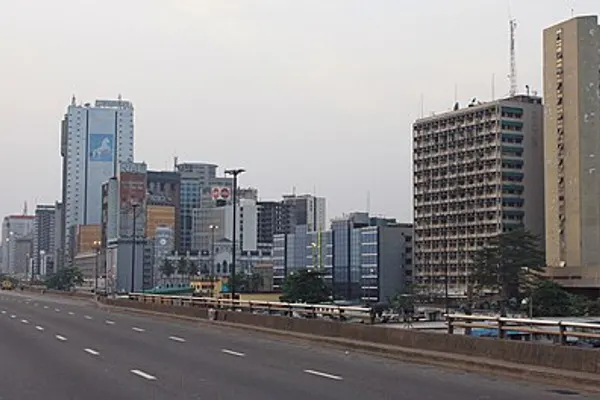
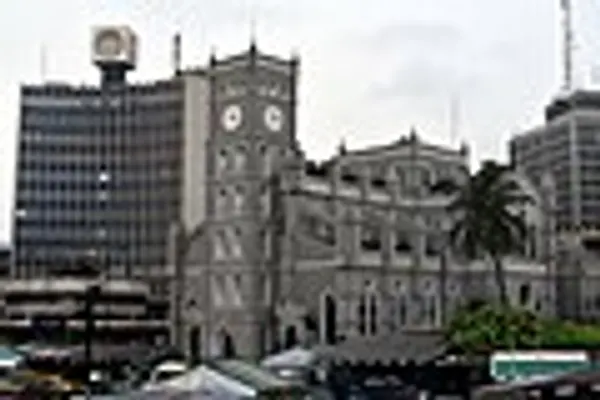
Lagos Island is connected to the mainland by three large bridges (the Carter Bridge, the Eko Bridge and the Third Mainland Bridge) which cross Lagos Lagoon to the district of Ebute Metta. It is also linked to the neighboring island of Ikoyi and to Victoria Island. The Lagos harbor district of Apapa faces the western side of the island. Forming the main commercial district of Lagos, Lagos Island plays host to the main government buildings, shops and offices. The Catholic and Anglican Cathedrals, as well as the Central Mosque, are located here.
Historically, Lagos Island (Isale Eko) was home to the Brazilian Quarter of Lagos where the majority of the slave trade returnees from Brazil stayed. Many families lived on Broad Street in the Marina.
The poor eastern side of the island contains the main markets and poor housing and is overcrowded. It is the part of Lagos where the Oba (king) of Lagos resides. It is also believed that the Eyo festival can only be held in this part of Lagos.
Economy
Most Nigerian banks' head offices are located on Lagos Island.First Bank of Nigeria is one of the Nigerian banks with its head office in Marina, Lagos Island. Another bank that has its head office situated in Lagos Island is the United Bank for Africa (UBA). Other medium and large-scale businesses such as real estate consultancy firms, electrical appliances manufacturers and retail stores are based in Marina, Lagos Island.
Landmarks and tourist attractions
Tom Jones Memorial Hall And Library
Located on Nnamdi Azikiwe Street, Idumota, formerly Victoria St, Tom Jones Memorial hall is noteworthy as the venue of the call for positive action by zikists in November 1948. The hall was built by trustees selected by Mr Thomas Jones who died in 1913. In his will, he bequeathed the land and funds for a hall and library in his memorial.
Freedom Park
Freedom Park is becoming a major tourist attraction and it is located on Lagos Island. The park was formerly a prison yard, back when the country was still under colonial rule and was known then as Her Majesty's Broad Street Prisons. Freedom Park was created to serve as a national memorial in remembrance of the nation's founding fathers who struggled against colonial rule and fought for the country's independence. The park was opened in 2010 to celebrate Nigeria's 50th independence celebration. The park is now a tourist attraction to both locals and foreigners and you can actually find historical statues all over the park. There is also an amphitheater which holds concerts, music shows, and drama presentations. You can also relax by the numerous ponds and fountains at the park or visit the Wole Soyinka Art Gallery to view unique art presentations.
Marina road
The Lagos Marina is host to a number of office buildings, and other structures such as the Bookshop House which was formerly owned by CMS and the Cathedral Church of Christ. Due to the conditions of the soil, the foundations of most of the tall buildings are either piled or raft. Buildings along the marina include National House now occupied by Shell and it is the first tall office building at Marina. The former Central Bank headquarters and the Investment House, headquarters of Bank of Industry were both built-in 1960. The land on which the Investment House was built previously housed the Grand Hotel before it was demolished. New Africa House of UAC, Elder Dempster House, Nigerian Ports Authority head office and National Electric Power Authority's former headquarters are all located along the marina.
Notable Indigenes
Babajide Sanwo-Olu
Ibiyemi Olatunji-Bello
Justice G.B.A Coker
F.C.O Coker
Lanre Towry-Coker
Important places at Lagos Island
References
See also
List of islands by population density
External links
Nigeria portal
Islands portal
Media related to Lagos Island at Wikimedia Commons
Lagos Island Local Government
lagos employment
6°27′N 3°24′E / 6.450°N 3.400°E / 6.450; 3.400
Education Adeniran Ogunsanya College of Education
Augustine University Ilara
Caleb University
CMS Grammar School, Lagos
College of Medicine, University of Lagos
Federal College of Education (Technical), Akoka
Federal College of Fisheries and Marine Technology
Igbobi College
King's College, Lagos
Lagos City Polytechnic
Lagos State University
Lagos State University College of Medicine
Pan-Atlantic University
Queen's College, Lagos
St Gregory's College, Lagos
University of Lagos
Yaba College of Technology
See also: List of schools in Lagos
EconomyHealthcare Federal Medical Centre Ebute Metta
First Consultant Hospital
Lagos Island General Hospital
Reddington Hospital
Eko Hospital
St. Nicholas Hospital, Lagos
Lagoon Hospitals
Lagos University Teaching Hospital
National Orthopaedic Hospital
Creek Hospital
Flying Doctors Nigeria
Yaba Psychiatric Hospital
See also: List of hospitals in Lagos
History Awori
Akitoye
Kosoko
Henry Stanhope Freeman
Cornelius Alfred Moloney
Lagos Colony
Southern Nigeria Protectorate
Herbert Macaulay
Timeline
Mass mediaNotable areas and districts Agege
Ajah
Apapa
Banana Island
Chinatown
Ebute Metta
Festac Town
Iddo Island
Ikeja
Ikoyi
Lekki
Mushin
Obalende
Oshodi
Shomolu
Surulere
Victoria Garden City
Victoria Island
Yaba
Transportation Arik Air
IRS Airlines
LAMATA Lagos Rail Mass Transit Blue Line, Red line
Lagos Bus Rapid Transit System Ikeja Bus Terminal
Oyingbo Bus Terminal
Lagos Terminus
Lagos Ferry
Murtala Muhammed International Airport
Tourist attractions Category
Commons
Nigeriaportal
Encyclopedic content adapted from the Wikipedia article on Lagos Island, used under CC BY-SA 4.0.
What makes Lagos Island special
Lagos Island stands out among Lagos’s neighborhoods for its distinctive character: the historic heart of lagos. Ranked #4 in Lagos, it offers the kind of experience that defines a great city trip — a place where the streets themselves tell a story and every block rewards curiosity.
Best for
Our take on Lagos Island
Lagos Island occupies a distinctive place in Lagos's neighborhood landscape. It is the kind of district that rewards travelers who venture beyond the obvious choices — quieter than the tourist-facing areas, richer in local character, and full of the small details that make a city trip memorable.
What makes Lagos Island exceptional is the density of its cultural life. Art galleries, independent bookshops, small theaters, and creative studios are woven into the fabric of the neighborhood rather than clustered in a single zone. You encounter culture here by accident, which is how the best cultural experiences always happen.
Our editors recommend budgeting at least half a day here — enough time to walk the main streets, sit down for coffee, and discover the side streets where Lagos Island's real character lives.
Living in Lagos Island
Lagos Island is connected to the rest of Lagos by public transit, and most visitors find it straightforward to reach from the city center or airport. Once you arrive, the neighborhood is best explored on foot — the scale is human and the streets reward wandering.
Day-to-day life in Lagos Island has the rhythm of a genuine residential neighborhood. You will find grocery stores, pharmacies, cafés with morning regulars, and the kind of small independent shops that only survive where locals support them. For visitors, this means the infrastructure you need — good coffee, a decent meal, a quiet place to sit — is always within a short walk.
Accommodation in Lagos Island ranges from boutique hotels to short-term rentals. We generally recommend staying within the neighborhood itself rather than commuting from a hotel elsewhere in Lagos — the experience of waking up inside a great neighborhood is fundamentally different from visiting one as a day trip.
What locals say about Lagos Island
Long-term residents of Lagos Island tend to describe their neighborhood with a mix of pride and protectiveness. Like any district with genuine character, Lagos Island inspires loyalty — the kind of place people move to and never quite leave, or leave and spend years trying to get back to.
The creative community in Lagos Island is genuine, not aspirational. Residents include working artists, writers, musicians, and designers who chose the neighborhood because it supported their work — affordable studio space, a community that values craft, and enough foot traffic to sustain independent galleries and shops.
Compared to the more famous districts in Lagos, Lagos Island has maintained a lower profile, which many residents consider an advantage. The neighborhood evolves gradually rather than being reshaped by sudden attention, and the result is a community that still feels organic rather than curated.
Visitor tips
- Lagos Island is located in Lagos, Nigeria. The neighborhood is accessible by public transport, taxi, or rideshare from most parts of the city.
- Morning is often the best time to explore — the streets are quieter, the light is better for photography, and cafes are at their most welcoming.
- Wear comfortable walking shoes — the best way to experience Lagos Island is on foot, wandering the side streets and discovering what lies around each corner.
- Save the neighborhood's location on your phone before you arrive. Offline maps are especially useful for navigating the smaller side streets.