About the neighborhood
Neighborhood in Lagos, Lagos State, Nigeria
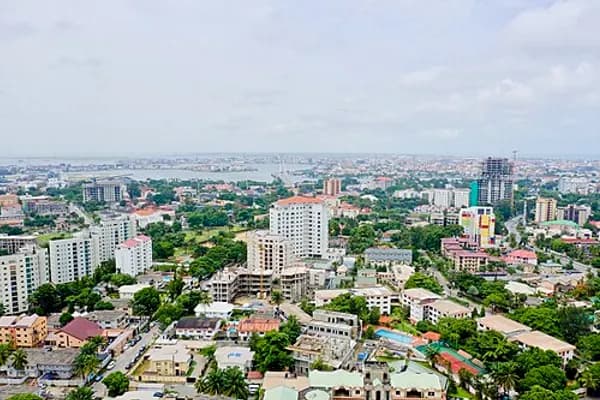
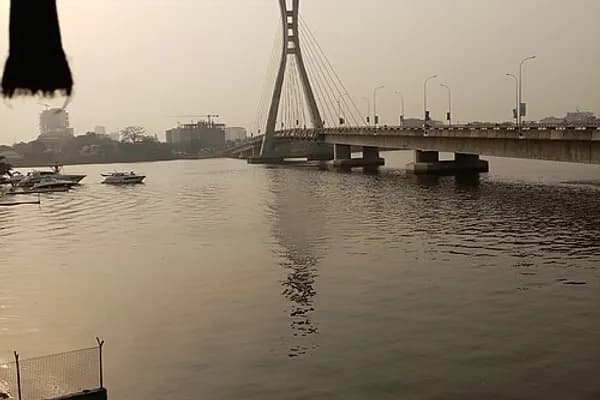
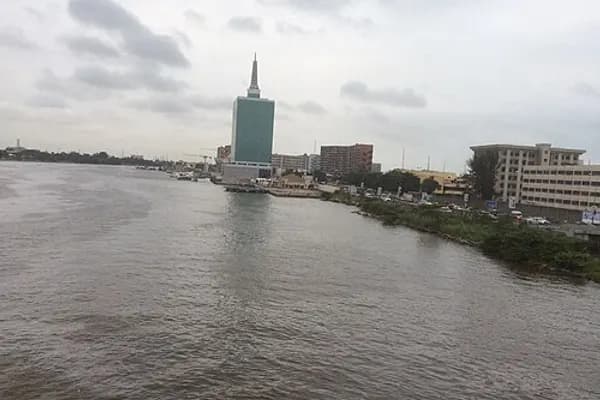
Ikoyi is the most affluent neighborhood of Lagos, located in Eti-Osa Local Government Area. It lies to the northeast of Obalende and adjoins Lagos Island to the west, and at the edge of the Lagos Lagoon. Popular with the extreme upper class residents of Nigerian society, Ikoyi is arguably one of the wealthiest communities within Nigeria.
The area that makes up Ikoyi was originally a continuous land mass with Lagos Island, until it was separated from it by the MacGregor canal, a narrow waterway that was dug by the British colonial government. This canal has now been built over or filled in, so that the island is fused with Lagos Island once again. It has been called in derogatory terms the "Beverly Hills by the slum" or the Belgravia of Lagos.
The area is often referred to as Ikoyi I and Ikoyi II. Ikoyi I is typically closer to the original, older part of Ikoyi, which includes some of the most historic and well-established neighbourhoods. Ikoyi I often features more traditional architecture and older buildings, though many have been renovated or repurposed for modern use. This part of Ikoyi might house some of the well-known landmarks and historic sites, like the Ikoyi Club and some of the older colonial-era structure. Ikoyi II generally refers to the newer developments and extensions of the original Ikoyi, sometimes encompassing areas that have seen significant recent growth. Ikoyi II is often characterized by more contemporary developments, high-rise luxury apartments, and new commercial properties. This section might include new shopping complexes, office buildings, and modern infrastructure developments. The primary differences between Ikoyi I and Ikoyi II lie in their location within Ikoyi, the age and style of development, and the type of landmarks or facilities present in each area.
History
During the colonial era, the island was developed as a residential cantonment for the expatriate British community and still retains many of the large colonial residences built between 1900 and 1950.
In the 1920s and 1930s, about 250 acres of land within South West Ikoyi and Obalende were reclaimed and redeveloped. The scheme also led to the redevelopment of a road to connect Onikan with Bourdillon Rd.
Upmarket residential properties continued to be built after the colonial period, and the Island and its Dodan Barracks became the residence of some of Nigeria's military rulers. Ikoyi now contains many other government buildings and businesses, hotels, schools, the famous social club Ikoyi Club, and Ikoyi Golf Club.
Modern history
One of the main attractions in Ikoyi is Awolowo Road, which is a high street lined with upscale shops and boutiques. Due to its proximity to Victoria Island and Lagos Island, much of Lagos's business tourism is centred on Ikoyi, which has a mix of excellent 4-star hotels.
Owing to recent unrest in the Niger Delta, several oil companies have moved their expatriate staff to Ikoyi. The area is now home to several large luxury apartments, estates, and upscale office developments. Lagos Preparatory School (13+), regarded as Africa's most highly accredited British School, is located in Ikoyi.
November 2021 building collapse
On 2 November 2021, a 21-storey building on Gerrard Road collapsed during its construction, killing several workers and the building's owner/developer.
Economy and sites
The Greenhouse Premium City Club, exclusive club home to an outdoor terrace lounge, adult and kids pools, a pool bar, cabanas, indoor sports bar with top chefs.
Google Nigeria is headquartered in Ikoyi.
The Lagos Jet Ski Riders Club, an elite club for the wealthiest of Nigerians is located in Ikoyi.
Ikoyi Golf Club
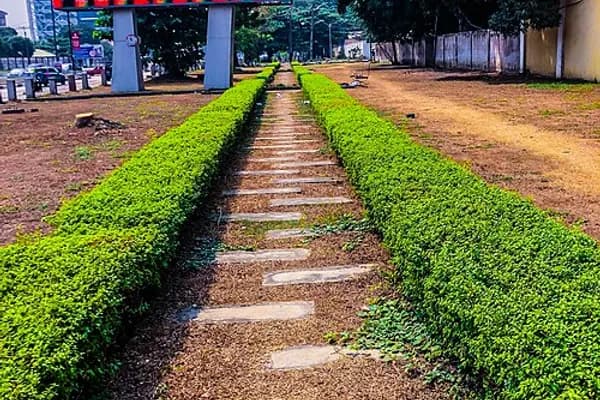
The Falamo garden
Government and infrastructure
The National Drug Law Enforcement Agency (NDLEA) is headquartered in Ikoyi.
The World Health Organization (WHO) has its Lagos office in Ikoyi.
The Nigerian Government Presidential Secretariat is headquartered in Ikoyi.
The Deputy-Governor of Lagos State lives in Ikoyi.
All of Nigeria's billionaires maintain property in Ikoyi.
Climate
Ikoyi is one of the regions with the highest amount of rainfall in Lagos, with rain often exceeding 3000mm every year. Flooding is frequent during the rainy season on parts of the major road. Areas such as Dolphin Estates are plagued with chronic flooding.
References
Wikimedia Commons has media related to Ikoyi.
Nigeria portal
Islands portal
Education Adeniran Ogunsanya College of Education
Augustine University Ilara
Caleb University
CMS Grammar School, Lagos
College of Medicine, University of Lagos
Federal College of Education (Technical), Akoka
Federal College of Fisheries and Marine Technology
Igbobi College
King's College, Lagos
Lagos City Polytechnic
Lagos State University
Lagos State University College of Medicine
Pan-Atlantic University
Queen's College, Lagos
St Gregory's College, Lagos
University of Lagos
Yaba College of Technology
See also: List of schools in Lagos
EconomyHealthcare Federal Medical Centre Ebute Metta
First Consultant Hospital
Lagos Island General Hospital
Reddington Hospital
Eko Hospital
St. Nicholas Hospital, Lagos
Lagoon Hospitals
Lagos University Teaching Hospital
National Orthopaedic Hospital
Creek Hospital
Flying Doctors Nigeria
Yaba Psychiatric Hospital
See also: List of hospitals in Lagos
History Awori
Akitoye
Kosoko
Henry Stanhope Freeman
Cornelius Alfred Moloney
Lagos Colony
Southern Nigeria Protectorate
Herbert Macaulay
Timeline
Mass mediaNotable areas and districts Agege
Ajah
Apapa
Banana Island
Chinatown
Ebute Metta
Festac Town
Iddo Island
Ikeja
Ikoyi
Lekki
Mushin
Obalende
Oshodi
Shomolu
Surulere
Victoria Garden City
Victoria Island
Yaba
Transportation Arik Air
IRS Airlines
LAMATA Lagos Rail Mass Transit Blue Line, Red line
Lagos Bus Rapid Transit System Ikeja Bus Terminal
Oyingbo Bus Terminal
Lagos Terminus
Lagos Ferry
Murtala Muhammed International Airport
Tourist attractions Category
Commons
Nigeriaportal
Encyclopedic content adapted from the Wikipedia article on Ikoyi, used under CC BY-SA 4.0.
What makes Ikoyi special
Ikoyi stands out among Lagos’s neighborhoods for its distinctive character: lagos' most upscale quarter. Ranked #2 in Lagos, it offers the kind of experience that defines a great city trip — a place where the streets themselves tell a story and every block rewards curiosity.
Best for
Our take on Ikoyi
Ikoyi is one of the strongest neighborhoods in Lagos, and it consistently appears in our editors' personal favorites lists. It may not always get the same attention as the city's most famous district, but among travelers who know Lagos well, Ikoyi is often the first recommendation.
What makes Ikoyi exceptional is the density of its cultural life. Art galleries, independent bookshops, small theaters, and creative studios are woven into the fabric of the neighborhood rather than clustered in a single zone. You encounter culture here by accident, which is how the best cultural experiences always happen.
Our editors recommend budgeting at least half a day here — enough time to walk the main streets, sit down for coffee, and discover the side streets where Ikoyi's real character lives.
Living in Ikoyi
Ikoyi is connected to the rest of Lagos by public transit, and most visitors find it straightforward to reach from the city center or airport. Once you arrive, the neighborhood is best explored on foot — the scale is human and the streets reward wandering.
Day-to-day life in Ikoyi has the rhythm of a genuine residential neighborhood. You will find grocery stores, pharmacies, cafés with morning regulars, and the kind of small independent shops that only survive where locals support them. For visitors, this means the infrastructure you need — good coffee, a decent meal, a quiet place to sit — is always within a short walk.
Accommodation in Ikoyi ranges from boutique hotels to short-term rentals. We generally recommend staying within the neighborhood itself rather than commuting from a hotel elsewhere in Lagos — the experience of waking up inside a great neighborhood is fundamentally different from visiting one as a day trip.
What locals say about Ikoyi
Long-term residents of Ikoyi tend to describe their neighborhood with a mix of pride and protectiveness. Like any district with genuine character, Ikoyi inspires loyalty — the kind of place people move to and never quite leave, or leave and spend years trying to get back to.
The creative community in Ikoyi is genuine, not aspirational. Residents include working artists, writers, musicians, and designers who chose the neighborhood because it supported their work — affordable studio space, a community that values craft, and enough foot traffic to sustain independent galleries and shops.
Like any neighborhood that has earned attention, Ikoyi is navigating the tension between popularity and preservation. Rents have risen, new businesses have arrived, and long-time residents occasionally grumble that the neighborhood is not what it was. But the fundamentals — the walkability, the food, the community — remain strong, and most locals we speak to believe the neighborhood is still gaining more than it is losing.
Visitor tips
- Ikoyi is located in Lagos, Nigeria. The neighborhood is accessible by public transport, taxi, or rideshare from most parts of the city.
- Morning is often the best time to explore — the streets are quieter, the light is better for photography, and cafes are at their most welcoming.
- Wear comfortable walking shoes — the best way to experience Ikoyi is on foot, wandering the side streets and discovering what lies around each corner.
- Save the neighborhood's location on your phone before you arrive. Offline maps are especially useful for navigating the smaller side streets.