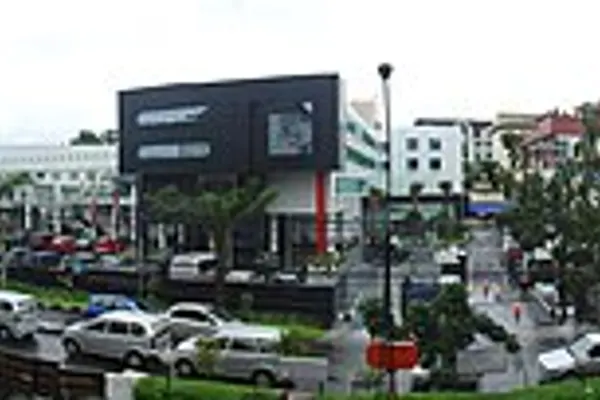
About the neighborhood
Place in Jakarta, Indonesia
6°15′39″S 106°49′15″E / 6.2608°S 106.8208°E / -6.2608; 106.8208
Kemang is a neighborhood in southern part of Jakarta, Indonesia. The area is located mostly in Bangka subdistrict of Mampang Prapatan and partly within Pejaten subdistrict of Pasar Minggu. The main area of Kemang is marked by the roads of Kemang Raya, Prapanca, and Bangka Streets.
Etymology
The name Kemang came from the fruit kemang, a species of mango (Mangifera kemanga).
History
Kemang was originally a kampung (village) which has been gentrified into an expatriate residential area. The gentrification of Kemang started after the end of the 1970s. The adjacent Bangka kampung, which was also gentrified, is sometimes referred as "Kemang" as well, although this was originally a different village. Kemang was a quiet Betawi kampong dotted with mosques in traditional Javanese style. During the 1970s, the land in Kemang was sold for residential use. The lush green character of Kemang attracted people into this area, including expatriates. The neighborhood is also close to Golden Triangle of Jakarta. This also makes it convenient for expats who need to get around town but can’t waste too much time in traffic each day.
In 1998, the then-Governor of Jakarta Sutiyoso changed the status of Kemang from a residential (as stated in the 1985–2005 city master plan) into a commercial area. In the following year, he strengthened the decision with the issuance of a decree declaring Kemang as a "modern kampong" (modern village). This brings more commercial activities into the area, as houses are converted into retails. Because of poor urban planning roads of this area are narrow, which suffer traffic congestion during busy hours. Also Kemang is prone to flooding during rainy season due to its location between two streams of Krukut River and Mampang River. It is expected that the flooding problem of the area will be resolved after completion of ongoing restoration project of Krukut river. Jakarta administration has undertaken a project to reorganize the roads and sidewalks of the area to facilitate as a tourist and culinary destination.
Attractions
Since 1970s Kemang has grown into a bustling area known for its international-oriented facilities such as traditional craft retails and night clubs. Some of the original kampung still exists behind the high-class residential apartment and housing complex. This unique contrast between the original local community and the international expatriate community has created a unique laid-back typology that feels more like an old town than a new city. At present, Kemang is filled with businesses and homes, hotels, shopping malls, banks, food courts, restaurants, cafes and bars, salons, nightclubs and shops. There are also few international standard academic institutions to complete the neighborhood for expat living.
Kemang hosts the Kemang Festival, held once or twice every year since 2001. During the festival, roads in Kemang are pedestrianized and vendors fill the street offering traditional souvenirs, clothing, and food. Also. Grandkemang Hotel of the area hosts the Indonesian Contemporary Art & Design (ICAD) exhibition every year.
Transportation
There are Transjakarta feeder services such as route 6N (Blok M-Ragunan via Kemang) and route 5N (Kampung Melayu–Ragunan).
See also
Indonesia portal
Jakarta portal
Mampang Prapatan, South Jakarta
Pasar Minggu
Kemang Village
References
Encyclopedic content adapted from the Wikipedia article on Kemang, used under CC BY-SA 4.0.
What makes Kemang special
Kemang stands out among Jakarta’s neighborhoods for its distinctive character: jakarta's bar and café village. Ranked #2 in Jakarta, it offers the kind of experience that defines a great city trip — a place where the streets themselves tell a story and every block rewards curiosity.
Best for
Our take on Kemang
Kemang is one of the strongest neighborhoods in Jakarta, and it consistently appears in our editors' personal favorites lists. It may not always get the same attention as the city's most famous district, but among travelers who know Jakarta well, Kemang is often the first recommendation.
The energy of Kemang builds as the day goes on, peaking in the evening when the streets fill with locals heading to their regular spots. This is a neighborhood where the nightlife feels organic rather than manufactured — bars that have regulars, music venues where the crowd actually listens, late-night spots where the kitchen stays open because the community demands it.
Our editors recommend budgeting at least half a day here — enough time to walk the main streets, sit down for coffee, and discover the side streets where Kemang's real character lives.
Living in Kemang
Kemang is connected to the rest of Jakarta by public transit, and most visitors find it straightforward to reach from the city center or airport. Once you arrive, the neighborhood is best explored on foot — the scale is human and the streets reward wandering.
The neighborhood transitions through distinct phases during the day. Mornings are quiet — coffee shops and bakeries set the pace. Afternoons bring more energy as the retail and café scene picks up. Evenings are when Kemang truly comes alive, with restaurants and bars filling steadily from around 7 PM onward. If you are staying in the neighborhood, embrace the rhythm rather than fighting it.
Accommodation in Kemang ranges from boutique hotels to short-term rentals. We generally recommend staying within the neighborhood itself rather than commuting from a hotel elsewhere in Jakarta — the experience of waking up inside a great neighborhood is fundamentally different from visiting one as a day trip.
What locals say about Kemang
Long-term residents of Kemang tend to describe their neighborhood with a mix of pride and protectiveness. Like any district with genuine character, Kemang inspires loyalty — the kind of place people move to and never quite leave, or leave and spend years trying to get back to.
Residents value the neighborhood's evening energy but will quickly tell you that Kemang is more than its bars. The nightlife is an expression of the community, not a tourist attraction — locals know the bartenders by name, have their preferred corners, and treat the neighborhood's bars and restaurants as extensions of their living rooms.
Like any neighborhood that has earned attention, Kemang is navigating the tension between popularity and preservation. Rents have risen, new businesses have arrived, and long-time residents occasionally grumble that the neighborhood is not what it was. But the fundamentals — the walkability, the food, the community — remain strong, and most locals we speak to believe the neighborhood is still gaining more than it is losing.
Visitor tips
- Kemang is located in Jakarta, Indonesia. The neighborhood is accessible by public transport, taxi, or rideshare from most parts of the city.
- The neighborhood comes alive in the evening. Plan to arrive after sunset to experience the best of the local bar and dining scene.
- Wear comfortable walking shoes — the best way to experience Kemang is on foot, wandering the side streets and discovering what lies around each corner.
- Save the neighborhood's location on your phone before you arrive. Offline maps are especially useful for navigating the smaller side streets.