About the neighborhood
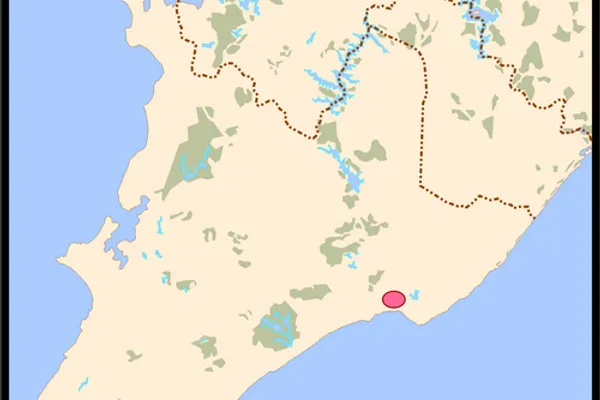
Itapoã or Itapuã is a neighborhood located in the western zone of Salvador, Bahia.
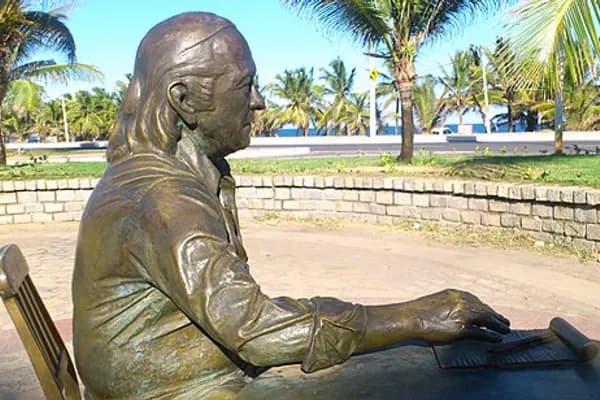
Itapoã is where Dona Flor (from the Jorge Amado novel Dona Flor and Her Two Husbands) gave up her virginity to the scoundrel who was to become her first husband. It was also home to poet/playwright/lyricist Vinícius de Moraes for a number of years, and composer Dorival Caymmi. Vinícius, together with his collaborator Toquinho, wrote and performed "Uma tarde em Itapoã", an evocative hymn to the bucolic village of the time.
References
Encyclopedic content adapted from the Wikipedia article on Itapuã, used under CC BY-SA 4.0.
What makes Itapuã special
Itapuã stands out among Salvador’s neighborhoods for its distinctive character: salvador's beach barrio. Ranked #4 in Salvador, it offers the kind of experience that defines a great city trip — a place where the streets themselves tell a story and every block rewards curiosity.
Best for
Our take on Itapuã
Itapuã occupies a distinctive place in Salvador's neighborhood landscape. It is the kind of district that rewards travelers who venture beyond the obvious choices — quieter than the tourist-facing areas, richer in local character, and full of the small details that make a city trip memorable.
The energy of Itapuã builds as the day goes on, peaking in the evening when the streets fill with locals heading to their regular spots. This is a neighborhood where the nightlife feels organic rather than manufactured — bars that have regulars, music venues where the crowd actually listens, late-night spots where the kitchen stays open because the community demands it.
Our editors recommend budgeting at least half a day here — enough time to walk the main streets, sit down for coffee, and discover the side streets where Itapuã's real character lives.
Living in Itapuã
Itapuã is connected to the rest of Salvador by public transit, and most visitors find it straightforward to reach from the city center or airport. Once you arrive, the neighborhood is best explored on foot — the scale is human and the streets reward wandering.
The neighborhood transitions through distinct phases during the day. Mornings are quiet — coffee shops and bakeries set the pace. Afternoons bring more energy as the retail and café scene picks up. Evenings are when Itapuã truly comes alive, with restaurants and bars filling steadily from around 7 PM onward. If you are staying in the neighborhood, embrace the rhythm rather than fighting it.
Accommodation in Itapuã ranges from boutique hotels to short-term rentals. We generally recommend staying within the neighborhood itself rather than commuting from a hotel elsewhere in Salvador — the experience of waking up inside a great neighborhood is fundamentally different from visiting one as a day trip.
What locals say about Itapuã
Long-term residents of Itapuã tend to describe their neighborhood with a mix of pride and protectiveness. Like any district with genuine character, Itapuã inspires loyalty — the kind of place people move to and never quite leave, or leave and spend years trying to get back to.
Residents value the neighborhood's evening energy but will quickly tell you that Itapuã is more than its bars. The nightlife is an expression of the community, not a tourist attraction — locals know the bartenders by name, have their preferred corners, and treat the neighborhood's bars and restaurants as extensions of their living rooms.
Compared to the more famous districts in Salvador, Itapuã has maintained a lower profile, which many residents consider an advantage. The neighborhood evolves gradually rather than being reshaped by sudden attention, and the result is a community that still feels organic rather than curated.
Visitor tips
- Itapuã is located in Salvador, Brazil. The neighborhood is accessible by public transport, taxi, or rideshare from most parts of the city.
- The neighborhood comes alive in the evening. Plan to arrive after sunset to experience the best of the local bar and dining scene.
- Wear comfortable walking shoes — the best way to experience Itapuã is on foot, wandering the side streets and discovering what lies around each corner.