About the neighborhood
Quarter in Basque Country, Spain
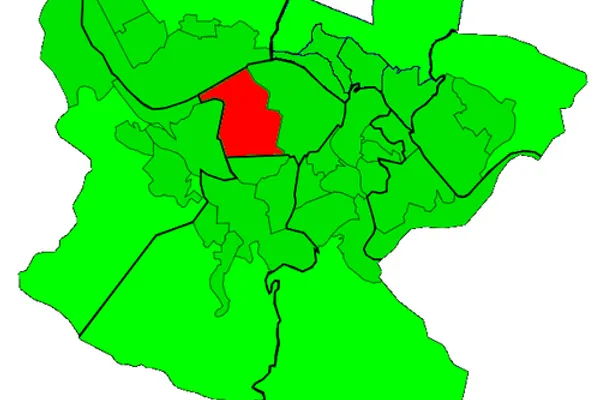
Indautxu is a quarter of central Bilbao, Basque Country (Spain), located in the district of Abando. It is a relatively affluent neighbourhood and is most famous for the large number of private hospitals and clinics, the large Society of Jesus school and the Doña Casilda Iturrizar park, all located in the area.
History
Indautxu was a predominantly rural area of the former elizate of Abando until its annexation to the city of Bilbao in 1870. Starting in the late 19th century, and as the influence of neighbouring city of Bilbao grew bigger with the construction of the ensanche in former Abando lands, Indautxu began to be populated by wealthy families coming from the industrial bourgeoisie of the province, giving way to the construction of many villas. In 1907 Indautxu was finally integrated into Bilbao's urban fabric as part of its ensanche.
In 1918 the city opened the Monumental School of Indautxu, the largest public school of the city at the moment with room for more than 800 children. In 1924 the SD Indautxu, the local football team, was founded. During the decades of 1950 and 1960 Indautxu experimented a substantial population growth which amidst a real estate speculation caused the demolition of most of its historical villas and the construction of large apartment buildings on their place. By the beginning of the 21st century, very few remained.
Geography
Indautxu is located on the left bank of the estuary of Bilbao, in a large plain. Like the rest of the Abando district, is one of the few completely flat quarters of the city. Indautxu borders the district of Deusto to the north across the river, Basurto-Zorroza to the west, Errekalde to the south and the quarter of Abando to the east.
Parks and open spaces
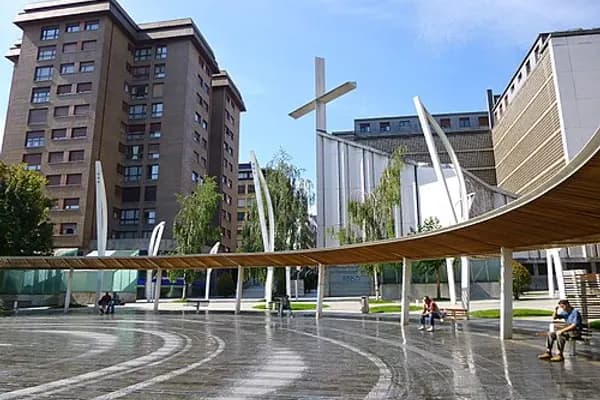
The main park of the quarter is the Doña Casilda Iturrizar park, a historical park of the city located in close proximity to the quarter's northern border by the river. The park is home to many fountains and ponds. Alongside this park, and by the river, is the riverbank park (Basque: Erribera Parkea). The Indautxu Plaza has traditionally been the central public point of the quarter, alongside the Arriquibar Plaza, located by the Azkuna Zentroa, and the Bizkaia Plaza.
Demographics
Indautxu has a population of 27,277 as of 2018, from which immigrants represent 4.9% of the total. People under the age of 19 represented 16.1% of the total, while the largest age bracket was that of between 20 and 64, representing 56.7%.
Culture
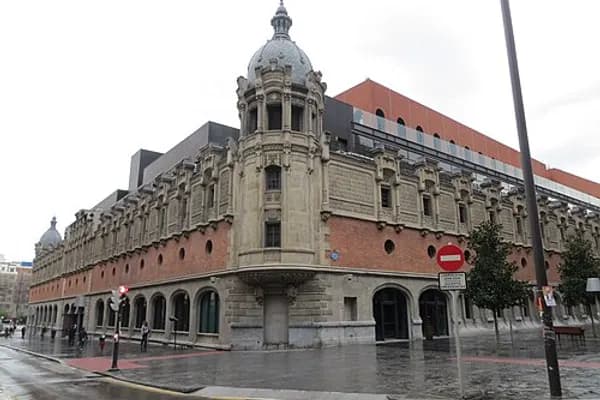
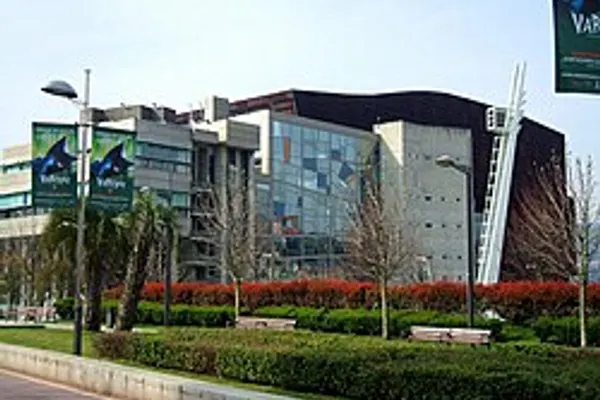
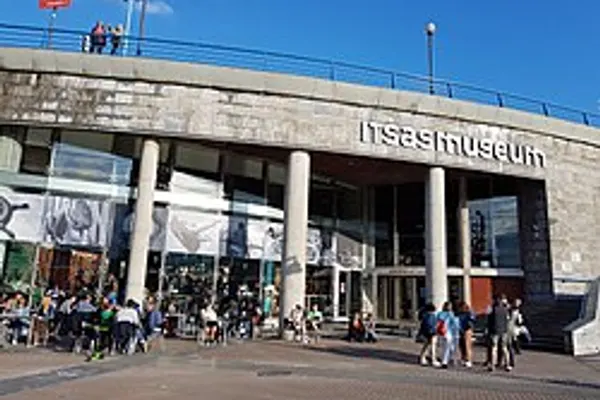
Indautxu is home to wide variety of museums and entertainment venues. The Euskalduna Conference Centre and Concert Hall is located in the northern side of the quarter, by the estuary and in the place of the former Euskalduna shipyards. The concert hall organises a wide variety of cultural activities including theatre, ballet, concerts and opera. It also houses the Bilbao Symphony Orchestra. The Azkuna Zentroa, designed by Philippe Starck is a culture and leisure centre located in the grounds of the former city corn exchange. It houses art exhibitions and cultural events, and it includes a fitness centre, a cinema multiplex libraries, showrooms and a large auditorium. The Maritime Museum of Bilbao, Itsasmuseum, is located by the river in the northwestern section of the quarter.
The quarter also hosts the Bilbao Fine Arts Museum, the second most visited museum of the Basque Country, only behind the Guggenheim museum. It houses a comprehensive collection of Basque and European art from the Middle Ages to contemporary times. The museum is located in the Euskadi Plaza and by the Doña Casilda Iturrizar park. Also in the quarter is the Benedicto Museum, that hosts the collection of Spanish painter Benedicto Martinez.
The local football team is the SD Indautxu, founded in 1924. During the 1950s it played in the Spanish second division, while it currently plays in the Basque regional division. Its home field is the Iparralde, located in the neighbouring district of Basurto-Zorroza.
The local festivities honour Our Lady of Mount Carmel and are celebrated every summer between 15 and 16 of July.
Infrastructure
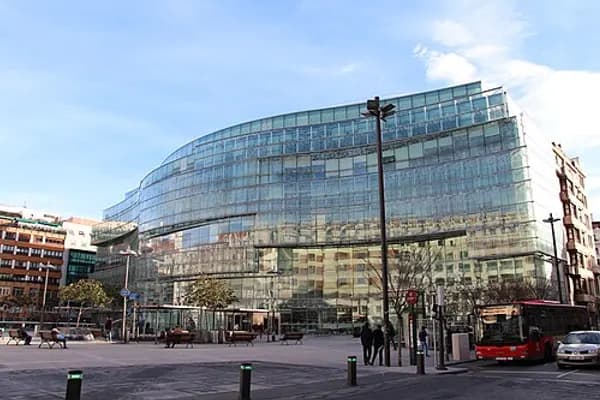
Indautxu has several public and private healthcare facilities, among them the Indautxu public health center and the Bombero Etxaniz healthcare centre, both part of the Osakidetza network. Private centres include the Indautxu Clinic, founded in 1954. The quarter houses government institutions such as the Regional Service of Ports of Biscay and the main public attention offices for the Basque Government, Zuzenean. Located in the Moyua Plaza by the border with Abando is located the regional Treasury Department delegation of the Spanish government. The quarter also houses a delegation of the Biscayan regional government, located in a glass building by the Bizkaia Plaza.
The quarter is served by numerous Bilbobus lines connecting with the rest of the city, as well as various regional Bizkaibus lines. The Indautxu station of Metro Bilbao, the city rapid transit system is located by the Indautxu Plaza. The northern end of the quarter is served by the Euskalduna tram stop, located in the Abandoibarra Avenue and close to the river.
Sights
References
External links
Official guide of Indautxu, Bilbao City Council
43°15′38″N 2°56′27″W / 43.26056°N 2.94083°W / 43.26056; -2.94083
Encyclopedic content adapted from the Wikipedia article on Indautxu, used under CC BY-SA 4.0.
What makes Indautxu special
Indautxu stands out among Bilbao’s neighborhoods for its distinctive character: bilbao's smart central shopping district. Ranked #4 in Bilbao, it offers the kind of experience that defines a great city trip — a place where the streets themselves tell a story and every block rewards curiosity.
Best for
Our take on Indautxu
Indautxu occupies a distinctive place in Bilbao's neighborhood landscape. It is the kind of district that rewards travelers who venture beyond the obvious choices — quieter than the tourist-facing areas, richer in local character, and full of the small details that make a city trip memorable.
What makes Indautxu exceptional is the density of its cultural life. Art galleries, independent bookshops, small theaters, and creative studios are woven into the fabric of the neighborhood rather than clustered in a single zone. You encounter culture here by accident, which is how the best cultural experiences always happen.
Our editors recommend budgeting at least half a day here — enough time to walk the main streets, sit down for coffee, and discover the side streets where Indautxu's real character lives.
Living in Indautxu
Indautxu is connected to the rest of Bilbao by public transit, and most visitors find it straightforward to reach from the city center or airport. Once you arrive, the neighborhood is best explored on foot — the scale is human and the streets reward wandering.
Day-to-day life in Indautxu has the rhythm of a genuine residential neighborhood. You will find grocery stores, pharmacies, cafés with morning regulars, and the kind of small independent shops that only survive where locals support them. For visitors, this means the infrastructure you need — good coffee, a decent meal, a quiet place to sit — is always within a short walk.
Accommodation in Indautxu ranges from boutique hotels to short-term rentals. We generally recommend staying within the neighborhood itself rather than commuting from a hotel elsewhere in Bilbao — the experience of waking up inside a great neighborhood is fundamentally different from visiting one as a day trip.
What locals say about Indautxu
Long-term residents of Indautxu tend to describe their neighborhood with a mix of pride and protectiveness. Like any district with genuine character, Indautxu inspires loyalty — the kind of place people move to and never quite leave, or leave and spend years trying to get back to.
The creative community in Indautxu is genuine, not aspirational. Residents include working artists, writers, musicians, and designers who chose the neighborhood because it supported their work — affordable studio space, a community that values craft, and enough foot traffic to sustain independent galleries and shops.
Compared to the more famous districts in Bilbao, Indautxu has maintained a lower profile, which many residents consider an advantage. The neighborhood evolves gradually rather than being reshaped by sudden attention, and the result is a community that still feels organic rather than curated.
Visitor tips
- Indautxu is located in Bilbao, Spain. The neighborhood is accessible by public transport, taxi, or rideshare from most parts of the city.
- Morning is often the best time to explore — the streets are quieter, the light is better for photography, and cafes are at their most welcoming.
- Wear comfortable walking shoes — the best way to experience Indautxu is on foot, wandering the side streets and discovering what lies around each corner.
- Save the neighborhood's location on your phone before you arrive. Offline maps are especially useful for navigating the smaller side streets.