About the neighborhood
Island in the Venetian Lagoon, Italy
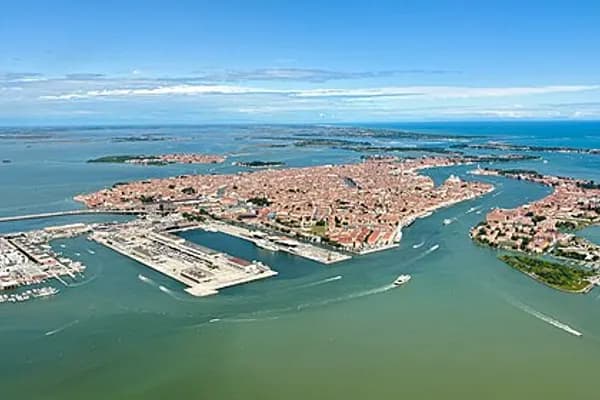
Giudecca (Italian: dʒuˈdɛkka; Venetian: Zueca) is an island in the Venetian Lagoon, in northern Italy. It is part of the sestiere of Dorsoduro and is a locality of the comune of Venice.
Geography
Giudecca lies immediately south of the central islands of Venice, from which it is separated by the Giudecca Canal. San Giorgio Maggiore lies off its eastern tip.
History
Giudecca was known in ancient times as the Spinalunga (meaning "Long Thorn"). The name Giudecca may represent a corruption of the Latin "Judaica" ("Judaean") and so may be translated as "the Jewry": a number of towns in Southern Italy and Sicily have Jewish quarters named Giudecca or Judeca. Venice historian John Julius Norwich writes in the 1989 edition of his book, A History of Venice: “…by the middle of the thirteenth century there was already a considerable Jewish population in the city and its immediate neighborhood—perhaps 3,000 or more. Many lived at Mestre, on the mainland; others —particularly those who had mercantile dealings with Dalmatia—occupied the island of Spinalunga and were in fact responsible for its change of name to Giudecca.” However, the term "Giudecca" was not generally used to denote the Jewish quarters of towns in northern Italy.
It wasn't until 1516 that the first segregated Jewish quarter in Europe, called the New Foundry, or "Ghetto Nuovo", was established in the Cannaregio district in Venice. Jews were required to live in a confined area and were subject to various restrictions. The term "ghetto" itself originated from this Venetian district.
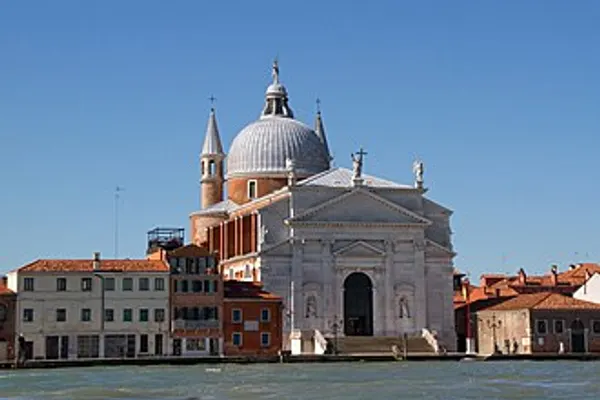
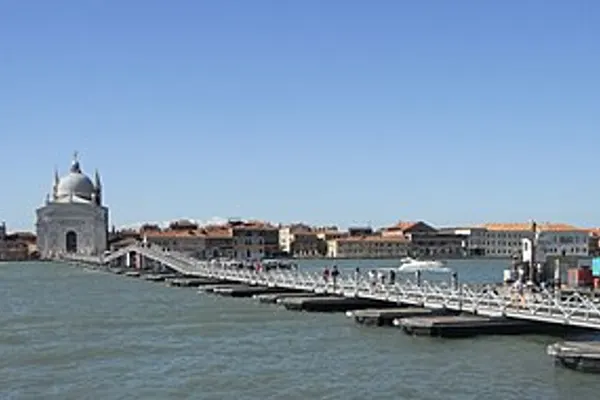
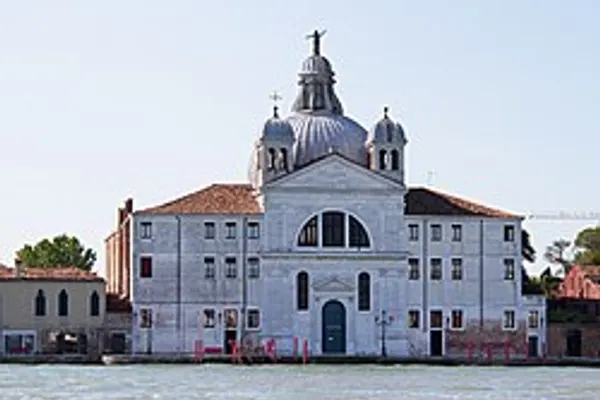
Giudecca was historically an area of large palaces with gardens. In the early 20th century, the island became an industrial zone with shipyards, factories, and a film studio. Much of the industry went into decline after World War II, and Giudecca is now again regarded as a quiet residential area, largely characterized by working-class housing with some chic apartments and exclusive houses. It is known for its long dock and its churches, including the Palladio-designed Il Redentore. The island was the home of a huge flour mill, the Molino Stucky, which has been converted into a luxury hotel and apartment complex. At the opposite end of Giudecca stands the five-star Cipriani hotel, noted for its extensive private gardens and saltwater pool.
Resort town
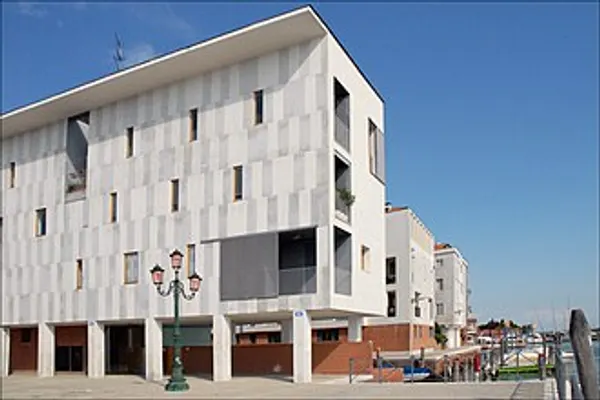
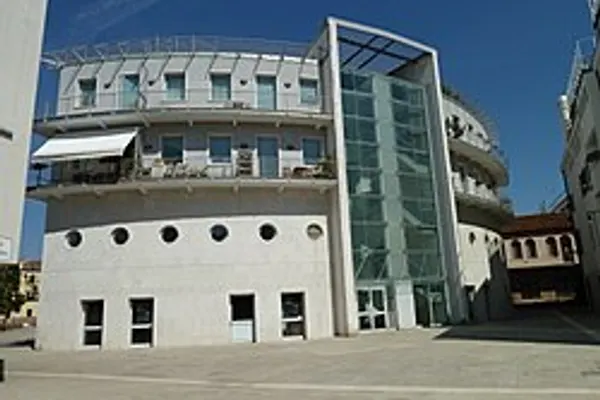
Modern renovations of some antique architecture in Giudecca have bolstered the island's reputation as a vacation locale. In 2011, Venetian developers reopened the lodgings of a prominent 16th-century mansion as long-term rentals under the name "Villa F."
Gallery
See also
List of islands of Italy
References
External links
Wikimedia Commons has media related to Giudecca (Venice).
Satellite image from Google Maps
Guide, news, events in Giudecca - 2015 archive
Mini Guide to Giudecca
Encyclopedic content adapted from the Wikipedia article on Giudecca, used under CC BY-SA 4.0.
What makes Giudecca special
Giudecca stands out among Venice’s neighborhoods for its distinctive character: venice's island retreat. Ranked #5 in Venice, it offers the kind of experience that defines a great city trip — a place where the streets themselves tell a story and every block rewards curiosity.
Best for
Our take on Giudecca
Giudecca occupies a distinctive place in Venice's neighborhood landscape. It is the kind of district that rewards travelers who venture beyond the obvious choices — quieter than the tourist-facing areas, richer in local character, and full of the small details that make a city trip memorable.
What strikes us most about Giudecca is the depth of its food culture. This is not a neighborhood with a few good restaurants — it is a neighborhood where eating well is woven into daily life, where the corner places are as good as the destination spots, and where you could eat every meal for a week without repeating yourself or being disappointed.
Our editors recommend budgeting at least half a day here — enough time to walk the main streets, sit down for coffee, and discover the side streets where Giudecca's real character lives.
Living in Giudecca
Giudecca is connected to the rest of Venice by public transit, and most visitors find it straightforward to reach from the city center or airport. Once you arrive, the neighborhood is best explored on foot — the scale is human and the streets reward wandering.
Day-to-day life in Giudecca has the rhythm of a genuine residential neighborhood. You will find grocery stores, pharmacies, cafés with morning regulars, and the kind of small independent shops that only survive where locals support them. For visitors, this means the infrastructure you need — good coffee, a decent meal, a quiet place to sit — is always within a short walk.
Accommodation in Giudecca ranges from boutique hotels to short-term rentals. We generally recommend staying within the neighborhood itself rather than commuting from a hotel elsewhere in Venice — the experience of waking up inside a great neighborhood is fundamentally different from visiting one as a day trip.
What locals say about Giudecca
Long-term residents of Giudecca tend to describe their neighborhood with a mix of pride and protectiveness. Like any district with genuine character, Giudecca inspires loyalty — the kind of place people move to and never quite leave, or leave and spend years trying to get back to.
What locals appreciate most about Giudecca is its consistency — the feeling that the neighborhood works the same way on a Tuesday morning as it does on a Saturday night. It is not a place that performs for visitors and then goes quiet. The rhythm is genuine, the community is real, and the daily experience of living here is what draws people and keeps them.
Compared to the more famous districts in Venice, Giudecca has maintained a lower profile, which many residents consider an advantage. The neighborhood evolves gradually rather than being reshaped by sudden attention, and the result is a community that still feels organic rather than curated.
Visitor tips
- Giudecca is located in Venice, Italy. The neighborhood is accessible by public transport, taxi, or rideshare from most parts of the city.
- Morning is often the best time to explore — the streets are quieter, the light is better for photography, and cafes are at their most welcoming.
- Wear comfortable walking shoes — the best way to experience Giudecca is on foot, wandering the side streets and discovering what lies around each corner.
- Save the neighborhood's location on your phone before you arrive. Offline maps are especially useful for navigating the smaller side streets.