About the neighborhood
Borough in Oslo, Norway
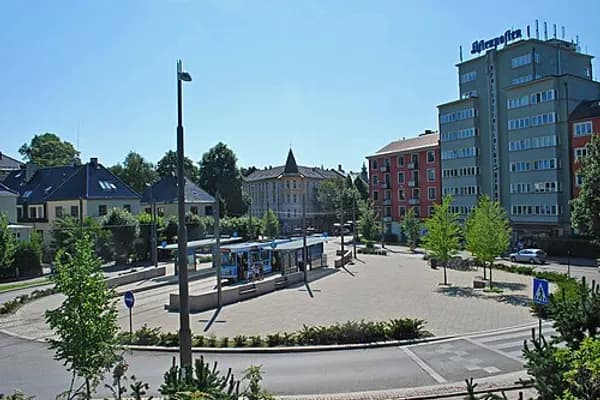
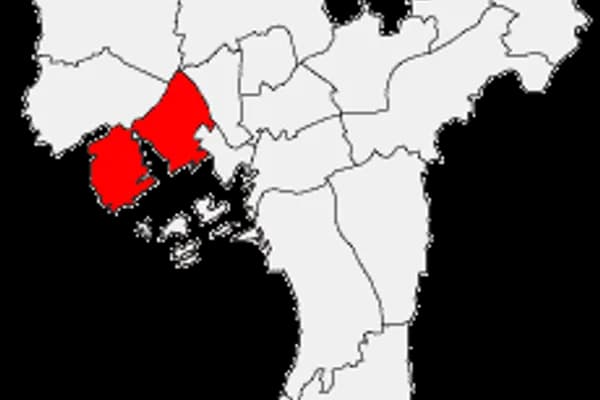
Frogner is a residential and retail borough in the West End of Oslo, Norway, with a population of 59,269 as of 2020. In addition to the original Frogner, the borough incorporates Bygdøy, Uranienborg and Majorstuen. The borough is named after Frogner Manor, and includes Frogner Park. The borough has the highest real estate prices in Norway.
Etymology
The borough is named after the old Frogner Manor. The Norse form of the name was Fraunar (plural form), and is likely derived from the word frauð 'manure', thus meaning something akin to 'fertilized fields'.
Note that the name is commonly pronounced more closely to "Frong-nair" rather than "Frog-ner"; both are considered acceptable.
History
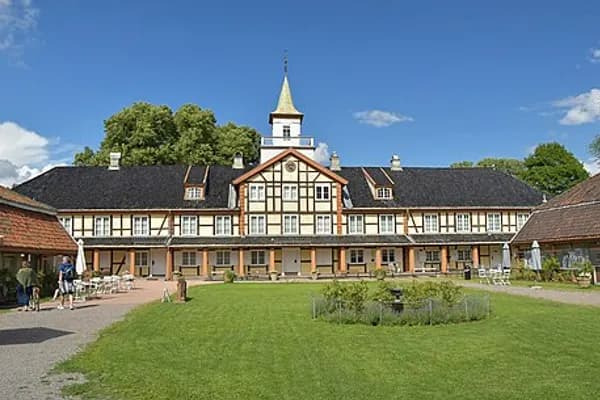
The area became part of the city of Oslo (then Christiania) in 1878. The borough was originally the grounds of an 18th-century country estate, Frogner Manor. The manor is now the site of Oslo City Museum. The Vigeland installation is located in Frogner Park (Frognerparken)
A majority of the houses in the borough were built around 1900. Frogner has historically been and continues to be an affluent area of Oslo.
Districts
Traditional districts of Oslo belonging to the borough are:
Bygdøy
Frogner
Majorstuen
Uranienborg
Politics
As a borough of Oslo, Frogner is governed by the city council of Oslo, as well as its own borough council. The council leader is Jens Lie from the Conservative Party and the deputy leader is Carl-Henrik Bastiansen, also of the Conservative Party. The Conservative Party has the most seats. The 15 seats are distributed among the following political parties for the 2019–2023 term:
7 from the Conservative Party (Høyre)
2 from the Labour Party (Arbeiderpartiet)
2 from the Green Party (Miljøpartiet de Grønne)
1 from the Progress Party (Fremskrittspartiet)
1 from the Socialist Left Party (Sosialistisk Venstreparti)
1 from the Liberal Party (Venstre)
1 from the Red Party (Rødt)
Frogner in modern times
The Bygdøy peninsula is the current site of the Viking Ship Museum, Norsk Folkemuseum (Norwegian Museum of Cultural History), the Maritime Museum, the Kon-Tiki Museum, and the ship Fram, used by Roald Amundsen for his Antarctic expedition. The royal estate of Bygdøy kongsgård and the Oscarshall palace are also located here. Bygdøy has several public beaches and is a popular recreational area.
On January 1, 2004, the previous borough of Uranienborg-Majorstuen and Bygdøy-Frogner were merged with Frogner, creating the current, larger borough.
The borough is known for its many villas and parks. It is one of the most expensive boroughs in Oslo due its central location, proximity to parks, marinas and attractive architecture, and the historical legacy of being a choice residential district for the upper classes during the 19th century.
Many of these expansive estates are now embassies, diplomatic missions, and other diplomatic representations.
Museums
The Vigeland Museum, located in Frogner Park where the artist Gustav Vigeland lived and worked for nearly two decades. . It is the world's largest sculpture park made by a single artist, and is one of Norway's most popular tourist attractions. The park is open to visitors all year round. The unique sculpture park is Gustav Vigeland's lifework with more than 200 sculptures in bronze, granite and wrought iron. Vigeland was also in charge of the design and architectural layout of the park. The Vigeland installation was mainly completed between 1939 and 1949. Most of the sculptures are placed in five units along an 850 meter long axis: The Main gate, the Bridge with the Children's playground, the Fountain, the Monolith plateau and the Wheel of Life.
Oslo City Museum is situated at Frogner Manor in Frogner Park. It is a museum of cultural history with one of the largest collections of paintings in Norway. The history of Oslo is illustrated by thematic exhibitions showing, among other things, the development of Oslo and the city's cultural and commercial activities.
The Bygdøy peninsula - a short ferry journey from the city center - boasts several museums, including the Viking Ship Museum (Vikingskipshuset), the Kon-Tiki Museum, Norwegian Maritime Museum and the Norwegian Museum of Cultural History.
The Norwegian Maritime Museum (Norsk Maritime Museum) was founded in 1914 and is a national museum with the responsibility to collect, research, and teach Norwegian maritime cultural heritage. A collection of Norwegian traditional boats is exhibited in the central hall and the museum also stages temporary exhibitions.
The Norwegian Museum of Cultural History (Norsk Folkemuseum) includes the world's first open air museum when it was established in 1881. It currently features over 160 buildings from a range of rural areas in Norway. The Gol Stave Church dating from 1200CE is one of five medieval buildings at the museum.
The Viking Ship Museum houses three spectacular examples of 9th and 10th century Scandinavian sea vessels - including the fully intact Oseberg ship - which were used as high status tombs. A collection of Viking weapons, utensils and talismans, buried with the ships, is also on display.
The Kon-Tiki Museum is named after the raft on which Norwegian adventurer Thor Heyerdahl crossed the Pacific Ocean in 1947. Alongside the raft, the museum houses various artefacts related to Heyerdahl's other expeditions and a changing program of temporary exhibitions explores his life and work.
Noteworthy buildings
The main building at Frogner Manor (Frogner Hovedgård) dates back to approximately 1790 . Historical interiors from the late 18th century. Today the building is part of Oslo Museum. Frogner Manor is located on a former estate in an area that became part of today's borough The estate is now the site of Frognerparken.
Frogner Church (Norwegian: Frogner kirke) is a church in the Frogner borough of the city of Oslo, Norway. The congregation is part of the Church of Norway, the country's state church.
Frogner Park
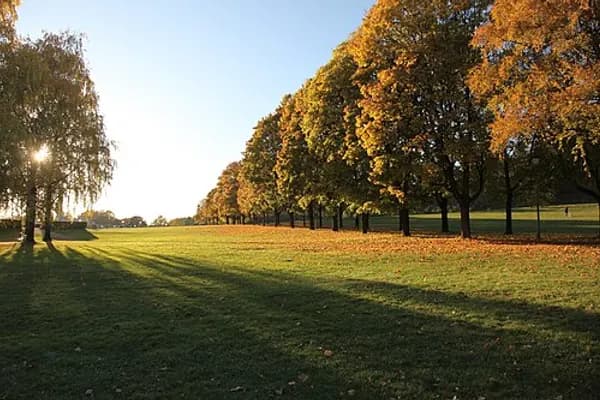
Frogner Park (Norwegian: Frognerparken), north of the city centre, is Oslo's biggest park and one of its most popular recreational areas, both for its neighbours and for people from other parts of the city. On a summer day the park is full of people who come to run, walk with a dog, picnic, play badminton or sunbathe. Frognerparken has Norway's biggest collection of roses; a total of 14,000 plants of 150 different species.
Frogner Stadion and open-air bath is located in one corner of the park, towards Majorstuen. In the corner by Frogner plass are Frogner Manor House and the Oslo City Museum. Frognerparken includes the Vigeland installation, Oslo's most visited attraction, and has a summer-open café, a restaurant and Norway's biggest playground. A large open-air skating rink, maintained only during the winter, is free of charge to visitors. Many Norwegians own their own skates, but one can also rent skates at the site or take skating lessons.
Notes
References
External links
Oslo City Museum
The Viking Ship Museum
Vigeland installation
The Kon-Tiki Museum
Oslo/West travel guide from Wikivoyage
Encyclopedic content adapted from the Wikipedia article on Frogner, used under CC BY-SA 4.0.
What makes Frogner special
Frogner stands out among Oslo’s neighborhoods for its distinctive character: oslo at its most elegant. Ranked #2 in Oslo, it offers the kind of experience that defines a great city trip — a place where the streets themselves tell a story and every block rewards curiosity.
Best for
Our take on Frogner
Frogner is one of the strongest neighborhoods in Oslo, and it consistently appears in our editors' personal favorites lists. It may not always get the same attention as the city's most famous district, but among travelers who know Oslo well, Frogner is often the first recommendation.
What makes Frogner worth the visit is the texture of daily life here. It is a neighborhood that functions for the people who live in it — not just for the visitors who pass through. The shops serve local needs, the restaurants feed local appetites, and the streets have a rhythm that reflects genuine community rather than tourism infrastructure. That is the quality our editors prize most, and Frogner has it in abundance.
Our editors recommend budgeting at least half a day here — enough time to walk the main streets, sit down for coffee, and discover the side streets where Frogner's real character lives.
Living in Frogner
Frogner is connected to the rest of Oslo by public transit, and most visitors find it straightforward to reach from the city center or airport. Once you arrive, the neighborhood is best explored on foot — the scale is human and the streets reward wandering.
Day-to-day life in Frogner has the rhythm of a genuine residential neighborhood. You will find grocery stores, pharmacies, cafés with morning regulars, and the kind of small independent shops that only survive where locals support them. For visitors, this means the infrastructure you need — good coffee, a decent meal, a quiet place to sit — is always within a short walk.
Accommodation in Frogner ranges from boutique hotels to short-term rentals. We generally recommend staying within the neighborhood itself rather than commuting from a hotel elsewhere in Oslo — the experience of waking up inside a great neighborhood is fundamentally different from visiting one as a day trip.
What locals say about Frogner
Long-term residents of Frogner tend to describe their neighborhood with a mix of pride and protectiveness. Like any district with genuine character, Frogner inspires loyalty — the kind of place people move to and never quite leave, or leave and spend years trying to get back to.
What locals appreciate most about Frogner is its consistency — the feeling that the neighborhood works the same way on a Tuesday morning as it does on a Saturday night. It is not a place that performs for visitors and then goes quiet. The rhythm is genuine, the community is real, and the daily experience of living here is what draws people and keeps them.
Like any neighborhood that has earned attention, Frogner is navigating the tension between popularity and preservation. Rents have risen, new businesses have arrived, and long-time residents occasionally grumble that the neighborhood is not what it was. But the fundamentals — the walkability, the food, the community — remain strong, and most locals we speak to believe the neighborhood is still gaining more than it is losing.
Visitor tips
- Frogner is located in Oslo, Norway. The neighborhood is accessible by public transport, taxi, or rideshare from most parts of the city.
- Morning is often the best time to explore — the streets are quieter, the light is better for photography, and cafes are at their most welcoming.
- Wear comfortable walking shoes — the best way to experience Frogner is on foot, wandering the side streets and discovering what lies around each corner.
- Save the neighborhood's location on your phone before you arrive. Offline maps are especially useful for navigating the smaller side streets.