About the neighborhood
Former and traditional neighborhood of Barcelona in Catalonia, Spain
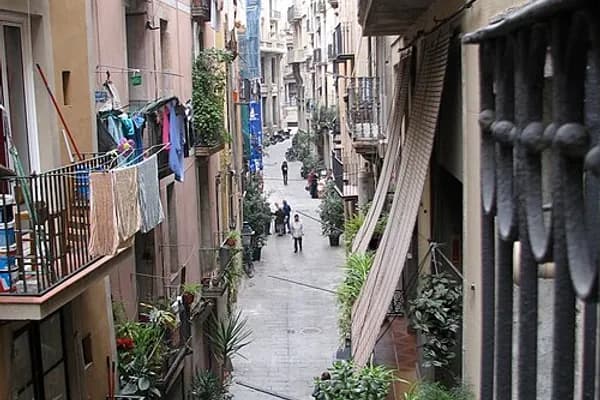
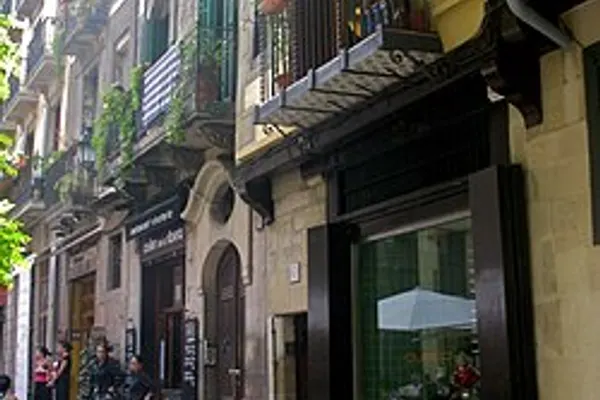
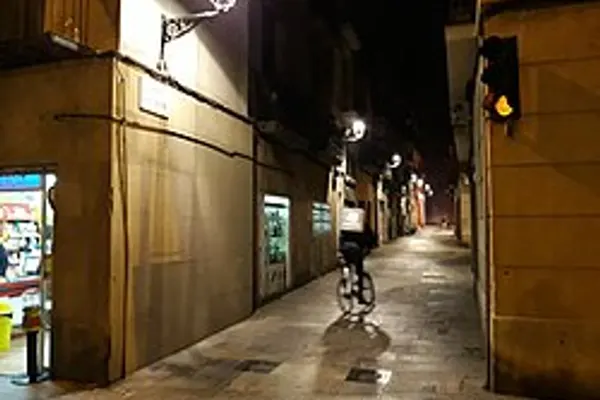
El Born is where medieval history and contemporary culture collide with an intensity that can leave even seasoned travelers breathless. Narrow, winding streets lined with artisanal boutiques and hip cocktail bars invite exploration, while remnants of its storied past whisper from the stone facades. Once a prosperous quarter during the 13th to 15th centuries, when the sea lapped at its doorstep, El Born has transformed into a dynamic hub that appeals to both locals and visitors alike.
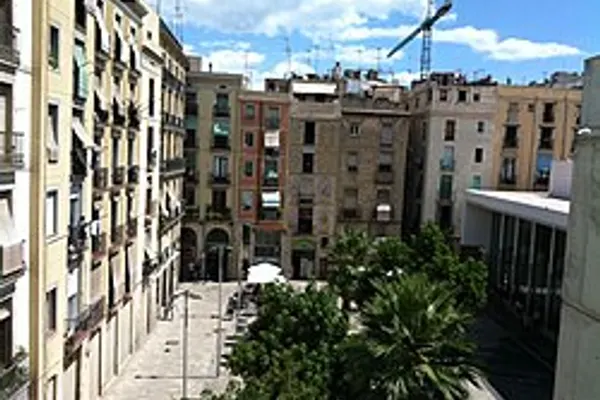
At the heart of this neighborhood lies the Basilica de Santa Maria del Mar, a stunning example of Catalan Gothic architecture that dominates the skyline. Just a stone's throw away, the Museu Picasso and the Museu Barbier-Mueller d'Art Precolombí attract art enthusiasts with their impressive collections. Stroll along Carrer de Montcada, where opulent palaces hint at the area’s affluent past, or pause at the Mercat del Born, a former market hall that now stands over archaeological ruins from the district demolished after the Siege of Barcelona in 1714. Here, history is not merely a backdrop; it’s a vital part of the neighborhood's identity.
While the southern section of El Born thrives on tourism and the bohemian flair of its cafes and bars, the northern part, La Ribera, offers a different narrative. This area, less frequented by tourists, showcases a more authentic glimpse of Barcelona life, with a blend of migrant workers and local residents shaping its character. The Forat de la Vergonya, near Santa Eulàlia Cathedral, is a testament to the city's ongoing struggle with urban development, as revitalization efforts clash with the preservation of community integrity.
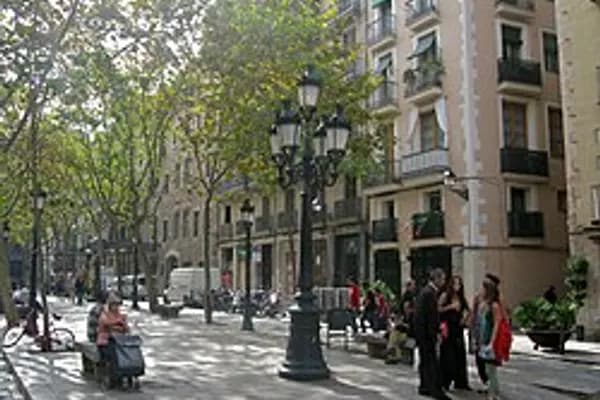
As day turns to night, the streets of El Born pulsate with energy, drawing you into its lively tapas bars and innovative cocktail spots. Whether you're indulging in a glass of vermut at a quaint bar or simply wandering the cobblestones, the allure of this neighborhood is undeniable. For those who appreciate a blend of history and modernity, El Born offers a tantalizing taste of Barcelona's soul.
Encyclopedic content adapted from the Wikipedia article on El Born, used under CC BY-SA 4.0.
What makes El Born special
El Born stands out among Barcelona’s neighborhoods for its distinctive character: medieval streets, modern cocktails. It tops our ranking of the best neighborhoods in Barcelona, it offers the kind of experience that defines a great city trip — a place where the streets themselves tell a story and every block rewards curiosity.
Best for
Our take on El Born
El Born is the neighborhood we send friends to first when they visit Barcelona. It earns the top spot in our ranking not because it is the most famous district in the city, but because it delivers the most complete neighborhood experience — the kind of place where every block rewards curiosity and every return visit reveals something new.
The energy of El Born builds as the day goes on, peaking in the evening when the streets fill with locals heading to their regular spots. This is a neighborhood where the nightlife feels organic rather than manufactured — bars that have regulars, music venues where the crowd actually listens, late-night spots where the kitchen stays open because the community demands it.
Our editors recommend budgeting at least half a day here — enough time to walk the main streets, sit down for coffee, and discover the side streets where El Born's real character lives.
Living in El Born
El Born is connected to the rest of Barcelona by public transit, and most visitors find it straightforward to reach from the city center or airport. Once you arrive, the neighborhood is best explored on foot — the scale is human and the streets reward wandering.
Day-to-day life in El Born has the rhythm of a genuine residential neighborhood. You will find grocery stores, pharmacies, cafés with morning regulars, and the kind of small independent shops that only survive where locals support them. For visitors, this means the infrastructure you need — good coffee, a decent meal, a quiet place to sit — is always within a short walk.
Accommodation in El Born ranges from boutique hotels to short-term rentals. We generally recommend staying within the neighborhood itself rather than commuting from a hotel elsewhere in Barcelona — the experience of waking up inside a great neighborhood is fundamentally different from visiting one as a day trip.
What locals say about El Born
Long-term residents of El Born tend to describe their neighborhood with a mix of pride and protectiveness. Like any district with genuine character, El Born inspires loyalty — the kind of place people move to and never quite leave, or leave and spend years trying to get back to.
Residents value the neighborhood's evening energy but will quickly tell you that El Born is more than its bars. The nightlife is an expression of the community, not a tourist attraction — locals know the bartenders by name, have their preferred corners, and treat the neighborhood's bars and restaurants as extensions of their living rooms.
Like any neighborhood that has earned attention, El Born is navigating the tension between popularity and preservation. Rents have risen, new businesses have arrived, and long-time residents occasionally grumble that the neighborhood is not what it was. But the fundamentals — the walkability, the food, the community — remain strong, and most locals we speak to believe the neighborhood is still gaining more than it is losing.
Visitor tips
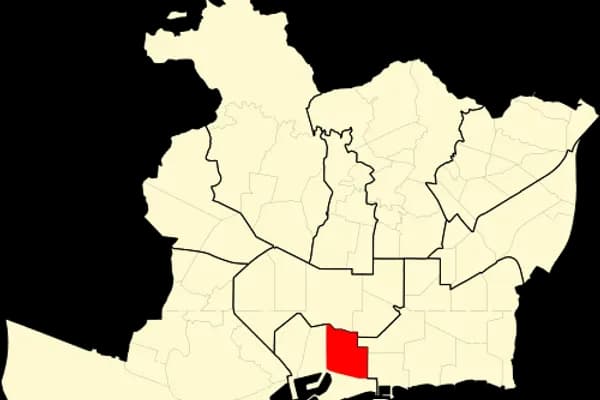
- El Born is located in Barcelona, Spain. The neighborhood is accessible by public transport, taxi, or rideshare from most parts of the city.
- Morning is often the best time to explore — the streets are quieter, the light is better for photography, and cafes are at their most welcoming.
- Wear comfortable walking shoes — the best way to experience El Born is on foot, wandering the side streets and discovering what lies around each corner.
- Save the neighborhood's location on your phone before you arrive. Offline maps are especially useful for navigating the smaller side streets.