About the neighborhood
Historic City Centre in Montevideo Department, Uruguay
Ciudad Vieja (Spanish pronunciation: sjuˈðað ˈβjexa, Old Town) is a barrio (neighbourhood or district) of Montevideo, Uruguay. Located in a peninsula at the mouth of the Bay of Montevideo, it is the city's historic district. It was founded in 1724 as a walled city by the Spanish Empire. Following Uruguay's independence, it became a district of the expanding city, which quickly grew beyond the original fortress, later dismantled.
As one of the city's central districts, it forms part of its central business district alongside Centro and Cordón. It serves as a key office district, housing several commercial banks and other financial institutions, government buildings, as well as museums, cultural venues, theaters and art galleries. The district also features a high concentration of Art Deco, Art Nouveau, and Neoclassical buildings.
History
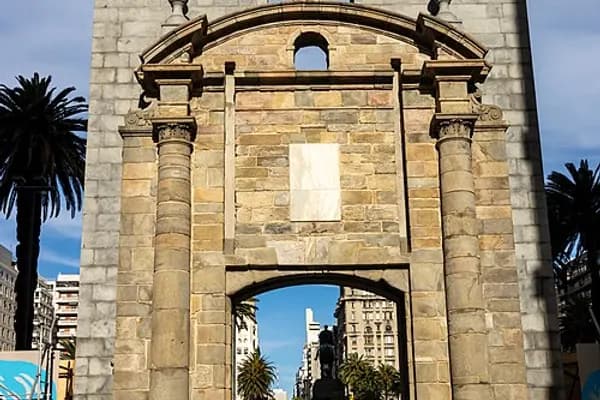
During the colonial period, Montevideo functioned as a fortified city, in the area that is today known as the Ciudad Vieja. Until 1829, it was enclosed by a wall built for defensive purposes, intended to protect it from possible invasions. The main gateway to the Citadelwas preserved and serves as a historical landmark of the city.
Some present-day street names reflect the existence of the old fortifications, such as Ciudadela (citadel) or Brecha (breach). The latter refers to the opening made in the wall by British forces during the 1807 invasion, which enabled their temporary occupation of the city before they were eventually repelled.
From the late 19th century onward, numerous buildings were constructed in European architectural styles such as Art Nouveau, Art Deco, and Neoclassicism, initially intended as residences for the upper class. Over time, some of these buildings were repurposed to house corporate offices, financial institutions, and government agencies.
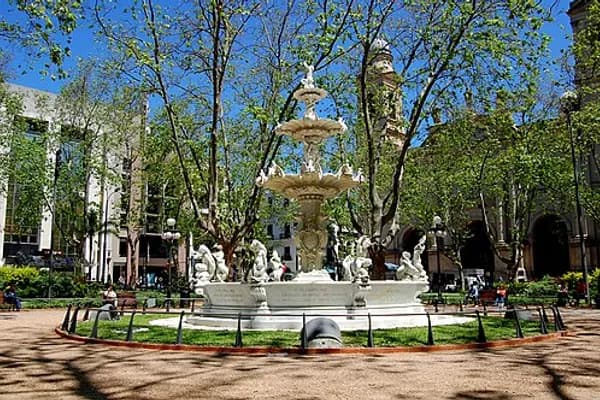
In the 1970s, the Mercado del Puerto —once a wholesale market near the city's port— was transformed into a popular tourist destination centered around Uruguayan cuisine, making the port area increasingly attractive to visitors. Later, the main street, Peatonal Sarandí was turned into a pedestrian walkway, which further boosted the area's commercial and tourist appeal. In 2005, the walkway was extended beyond Constitution Square.
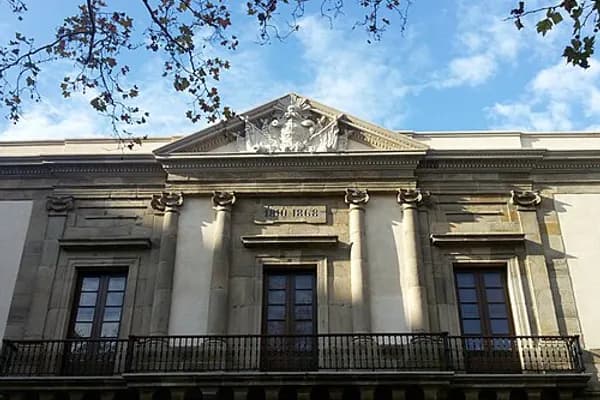
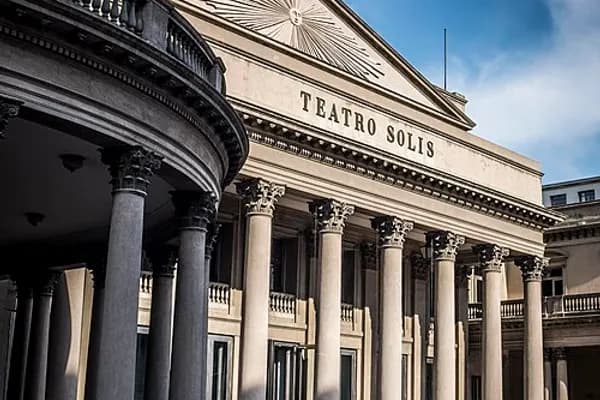
Ciudad Vieja has elegant buildings from the colonial era and the first decades of independence. The Cabildo (built between 1804 and 1812), the Solís Theatre, the Metropolitan Cathedral, and several museums, like the Museo Torres García are among the most impressive ones. Also, several design shops and recycled loft floors flourish in the streets near the port.
Landmarks
Bolsa de Valores de Montevideo
Cabildo de Montevideo
Mercado del Puerto
Palacio Taranco
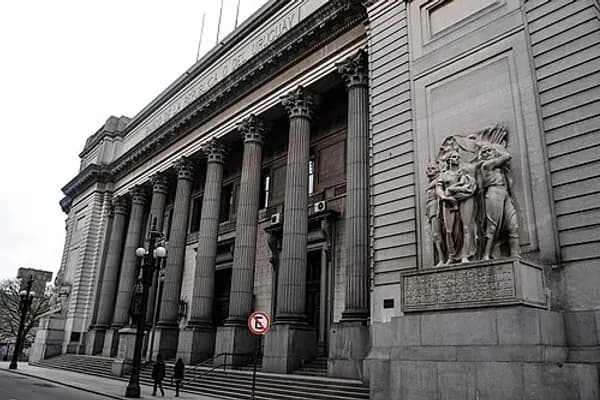
Central Bank of Uruguay
Solís Theatre
Places of worship
Cathedral of the Immaculate Conception, St. Philip and St. James (head of the Roman Catholic Church in Uruguay)
Parish Church of St. Francis of Assisi (Roman Catholic)
Church of Our Lady of Lourdes and St. Vincent Pallotti (Roman Catholic, Pallottines)
Cathedral of The Most Holy Trinity, popularly known as the English Temple (Anglican)
Sephardic Jewish Community (Jewish)
Gallery
See also
Uruguay portal
Montevideo
Colonia del Sacramento
Barrios of Montevideo
References
Bibliography
Assunção, Fernando O.; Bombet Franco, Iris (1991). Ciudad Vieja. Cuadernos del Boston (in Spanish). Vol.1. Montevideo.{{cite book}}: CS1 maint: location missing publisher (link)
External links
Wikimedia Commons has media related to Ciudad Vieja.
Intendencia de Montevideo / Historia de la Ciudad Vieja
Fotos of Ciudad Vieja
History of Barrio Guruyú
Encyclopedic content adapted from the Wikipedia article on Ciudad Vieja, used under CC BY-SA 4.0.