About the neighborhood
Historic District of Panama City in Panama
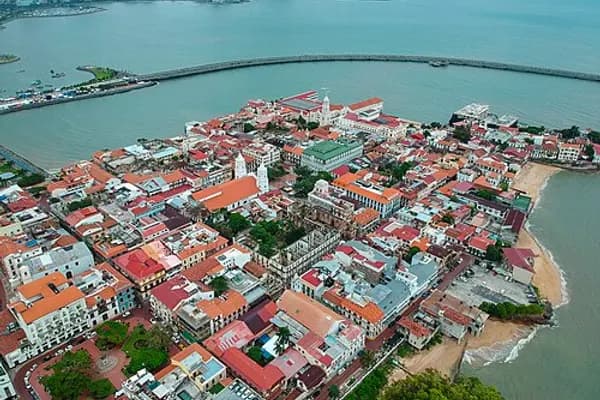
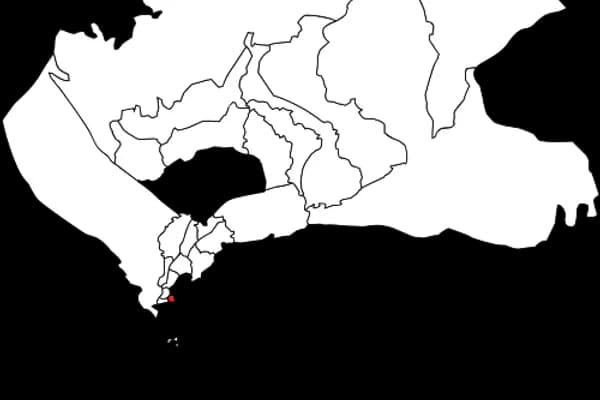
Casco Antiguo (Spanish for Old Quarter), also known as Casco Viejo or San Felipe, is the historic district of Panama City. Completed and settled in 1673, it was built following the near-total destruction of the original Panamá city, Panamá Viejo in 1671, when the latter was attacked by pirates. It was designated a UNESCO World Heritage Site in 1997.
History
Panama City was founded on August 15, 1519 and it lasted one hundred and fifty-two years. In January 1671, the Governor Juan Perez de Guzman had it set on fire, before the attack and looting by the pirate Henry Morgan. In 1672, Antonio Fernández de Córdoba initiated the construction of a new city, which was then founded on January 21, 1673. This city was built on a peninsula completely isolated by the sea and a defensive system of walls. Today this place preserves the first institutions and buildings of the modern city of Panama. It is known as Casco Viejo (Spanish for Old Town).
In the 18th century this part of the city was the victim of three large fires that partially destroyed it and modified its initial structure. The current configuration dates from the end of the 19th century and the first half of the 20th century. The reconstruction allows the insertion of neoclassical, Afro-Antillean buildings within the ruins and colonial buildings, which differentiates it from other old towns in cities such as Cartagena de Indias, Colombia, and Quito, Ecuador, which have an almost exclusively colonial style.
In recent years, Casco Viejo has become a tourist hotspot filled with restaurants, boutique hotels, museums and nightclubs and has experienced gentrification, while also maintaining the multiple historical sites it has to offer.
Main sights
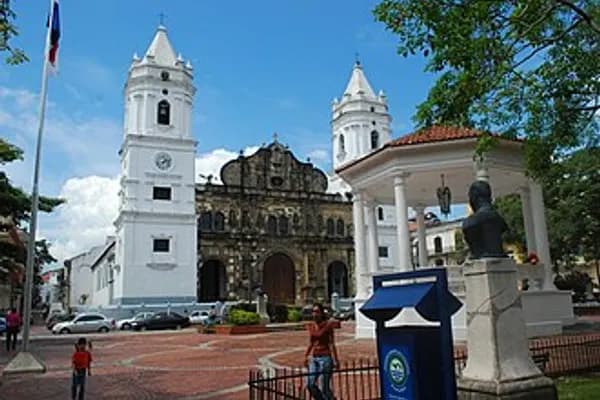
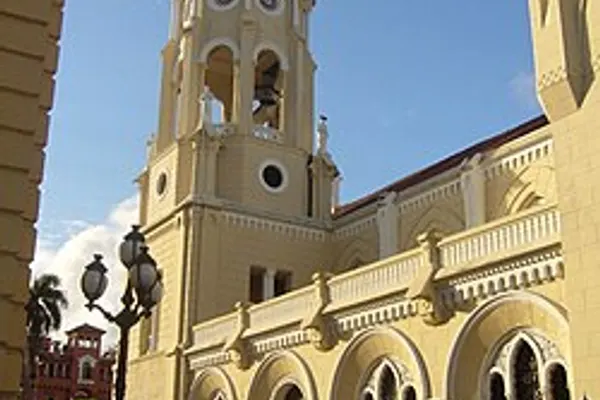
La Catedral Metropolitana is the main Catholic church in Panama city.
El Palacio de las Garzas is the governmental office and residence of the President of Panama.
Church and Convent of San Francisco de Asís.
Church of San José
Church of La Merced
Church and Convent of Santo Domingo: Arco Chato
Church and convent of the Society of Jesus.
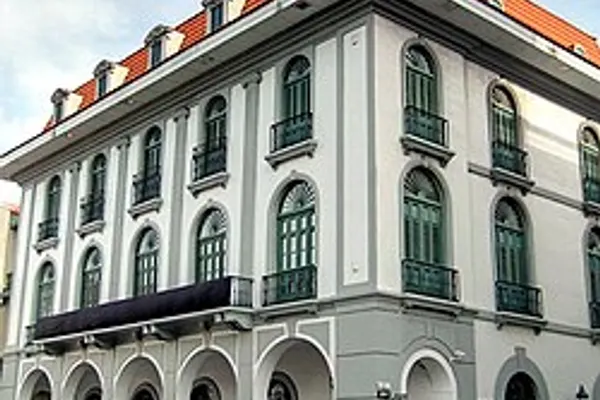
Palacio Municipal, which dates from the beginning of the 20th century.
Palacio Nacional
National Theatre of Panama
Panama Canal Museum
Palacio Bolívar
Góngora House
Plaza Bolívar
Plaza Herrera
Plaza de Francia
Plaza de la Independencia
Gallery
References
External links
Official website (in Spanish)
PoliticsEconomySocietyOutline
Category
Portal
Encyclopedic content adapted from the Wikipedia article on Casco Viejo, used under CC BY-SA 4.0.
What makes Casco Viejo special
Casco Viejo stands out among Panama City’s neighborhoods for its distinctive character: panama's unesco old quarter. It tops our ranking of the best neighborhoods in Panama City, it offers the kind of experience that defines a great city trip — a place where the streets themselves tell a story and every block rewards curiosity.
Best for
Our take on Casco Viejo
Casco Viejo is the neighborhood we send friends to first when they visit Panama City. It earns the top spot in our ranking not because it is the most famous district in the city, but because it delivers the most complete neighborhood experience — the kind of place where every block rewards curiosity and every return visit reveals something new.
What makes Casco Viejo exceptional is the density of its cultural life. Art galleries, independent bookshops, small theaters, and creative studios are woven into the fabric of the neighborhood rather than clustered in a single zone. You encounter culture here by accident, which is how the best cultural experiences always happen.
Our editors recommend budgeting at least half a day here — enough time to walk the main streets, sit down for coffee, and discover the side streets where Casco Viejo's real character lives.
Living in Casco Viejo
Casco Viejo is connected to the rest of Panama City by public transit, and most visitors find it straightforward to reach from the city center or airport. Once you arrive, the neighborhood is best explored on foot — the scale is human and the streets reward wandering.
Day-to-day life in Casco Viejo has the rhythm of a genuine residential neighborhood. You will find grocery stores, pharmacies, cafés with morning regulars, and the kind of small independent shops that only survive where locals support them. For visitors, this means the infrastructure you need — good coffee, a decent meal, a quiet place to sit — is always within a short walk.
Accommodation in Casco Viejo ranges from boutique hotels to short-term rentals. We generally recommend staying within the neighborhood itself rather than commuting from a hotel elsewhere in Panama City — the experience of waking up inside a great neighborhood is fundamentally different from visiting one as a day trip.
What locals say about Casco Viejo
Long-term residents of Casco Viejo tend to describe their neighborhood with a mix of pride and protectiveness. Like any district with genuine character, Casco Viejo inspires loyalty — the kind of place people move to and never quite leave, or leave and spend years trying to get back to.
The creative community in Casco Viejo is genuine, not aspirational. Residents include working artists, writers, musicians, and designers who chose the neighborhood because it supported their work — affordable studio space, a community that values craft, and enough foot traffic to sustain independent galleries and shops.
Like any neighborhood that has earned attention, Casco Viejo is navigating the tension between popularity and preservation. Rents have risen, new businesses have arrived, and long-time residents occasionally grumble that the neighborhood is not what it was. But the fundamentals — the walkability, the food, the community — remain strong, and most locals we speak to believe the neighborhood is still gaining more than it is losing.
Visitor tips
- Casco Viejo is located in Panama City, Panama. The neighborhood is accessible by public transport, taxi, or rideshare from most parts of the city.
- Morning is often the best time to explore — the streets are quieter, the light is better for photography, and cafes are at their most welcoming.
- Wear comfortable walking shoes — the best way to experience Casco Viejo is on foot, wandering the side streets and discovering what lies around each corner.
- Save the neighborhood's location on your phone before you arrive. Offline maps are especially useful for navigating the smaller side streets.