About the neighborhood
Urban district in Cairo, Egypt
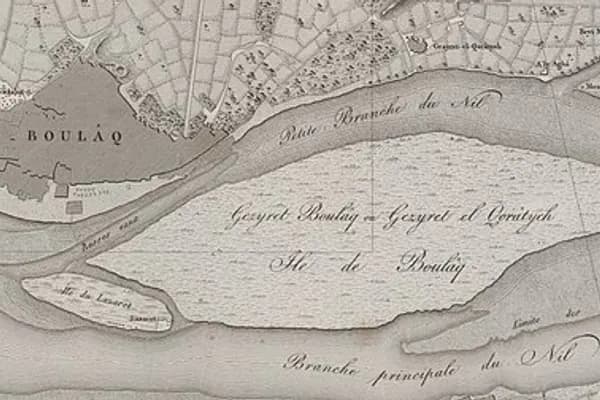
Zamalek stands as a verdant anomaly amid the urban sprawl of Cairo, an island oasis that feels worlds apart from the frenetic energy of the city. Framed by the Nile and defined by its lush gardens and stately mansions, this affluent quarter boasts a unique charm, blending a rich cultural history with an air of contemporary sophistication. The island's origins date back to the 19th century, when the Bahr al-A'ma was carved out, separating it from the mainland and transforming it into a residential haven that has since become a diplomatic stronghold, housing over 50 embassies and consulates.
The northern third of Zamalek is a testament to affluence, characterized by impressive Art Deco villas and contemporary apartments that reflect the neighborhood's storied past. Stroll along the tree-lined streets and you’ll encounter a delightful mix of old and new; remnants of early 20th-century architecture stand shoulder to shoulder with modern developments. Yet, despite its upscale reputation, some buildings show signs of neglect—a quirk of Cairo’s rent control laws that often leave landlords uninterested in upkeep. This juxtaposition adds to the area’s character, giving visitors a glimpse into the complexities of urban living in one of Africa's largest cities.
As you venture south, the landscape shifts dramatically. The southern two-thirds of Zamalek, often still referred to as Gezira, are dominated by sprawling parks and sports facilities, including the venerable Gezira Sporting Club, where locals engage in everything from tennis to sailing. The Sofitel Cairo Nile El-Gezira Hotel offers stunning views of the river, a perfect spot to unwind after a day of exploration. The cultural pulse of the area is palpable, with art galleries, bookshops, and cafés lining the streets, inviting you to linger a little longer.
In Zamalek, you’re not just witnessing a neighborhood; you’re experiencing a microcosm of Cairo’s rich tapestry, where history, culture, and nature converge. For anyone with a taste for the eclectic and a desire to see Cairo beyond the surface, this leafy enclave is not to be missed.
Encyclopedic content adapted from the Wikipedia article on Zamalek, used under CC BY-SA 4.0.
What makes Zamalek special
Zamalek stands out among Cairo’s neighborhoods for its distinctive character: cairo's leafy island district. It tops our ranking of the best neighborhoods in Cairo, it offers the kind of experience that defines a great city trip — a place where the streets themselves tell a story and every block rewards curiosity.
Best for
Our take on Zamalek
Zamalek is the neighborhood we send friends to first when they visit Cairo. It earns the top spot in our ranking not because it is the most famous district in the city, but because it delivers the most complete neighborhood experience — the kind of place where every block rewards curiosity and every return visit reveals something new.
What makes Zamalek worth the visit is the texture of daily life here. It is a neighborhood that functions for the people who live in it — not just for the visitors who pass through. The shops serve local needs, the restaurants feed local appetites, and the streets have a rhythm that reflects genuine community rather than tourism infrastructure. That is the quality our editors prize most, and Zamalek has it in abundance.
Our editors recommend budgeting at least half a day here — enough time to walk the main streets, sit down for coffee, and discover the side streets where Zamalek's real character lives.
Living in Zamalek
Zamalek is connected to the rest of Cairo by public transit, and most visitors find it straightforward to reach from the city center or airport. Once you arrive, the neighborhood is best explored on foot — the scale is human and the streets reward wandering.
Day-to-day life in Zamalek has the rhythm of a genuine residential neighborhood. You will find grocery stores, pharmacies, cafés with morning regulars, and the kind of small independent shops that only survive where locals support them. For visitors, this means the infrastructure you need — good coffee, a decent meal, a quiet place to sit — is always within a short walk.
Accommodation in Zamalek ranges from boutique hotels to short-term rentals. We generally recommend staying within the neighborhood itself rather than commuting from a hotel elsewhere in Cairo — the experience of waking up inside a great neighborhood is fundamentally different from visiting one as a day trip.
What locals say about Zamalek
Long-term residents of Zamalek tend to describe their neighborhood with a mix of pride and protectiveness. Like any district with genuine character, Zamalek inspires loyalty — the kind of place people move to and never quite leave, or leave and spend years trying to get back to.
What locals appreciate most about Zamalek is its consistency — the feeling that the neighborhood works the same way on a Tuesday morning as it does on a Saturday night. It is not a place that performs for visitors and then goes quiet. The rhythm is genuine, the community is real, and the daily experience of living here is what draws people and keeps them.
Like any neighborhood that has earned attention, Zamalek is navigating the tension between popularity and preservation. Rents have risen, new businesses have arrived, and long-time residents occasionally grumble that the neighborhood is not what it was. But the fundamentals — the walkability, the food, the community — remain strong, and most locals we speak to believe the neighborhood is still gaining more than it is losing.
Visitor tips
- Zamalek is located in Cairo, Egypt. The neighborhood is accessible by public transport, taxi, or rideshare from most parts of the city.
- Morning is often the best time to explore — the streets are quieter, the light is better for photography, and cafes are at their most welcoming.
- Wear comfortable walking shoes — the best way to experience Zamalek is on foot, wandering the side streets and discovering what lies around each corner.
- Save the neighborhood's location on your phone before you arrive. Offline maps are especially useful for navigating the smaller side streets.