About the neighborhood
Neighborhood in New York City
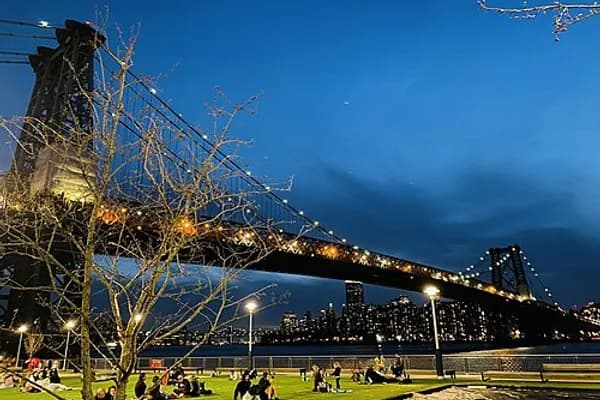
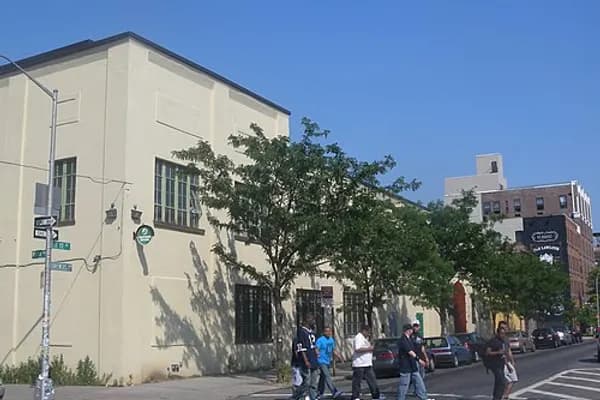
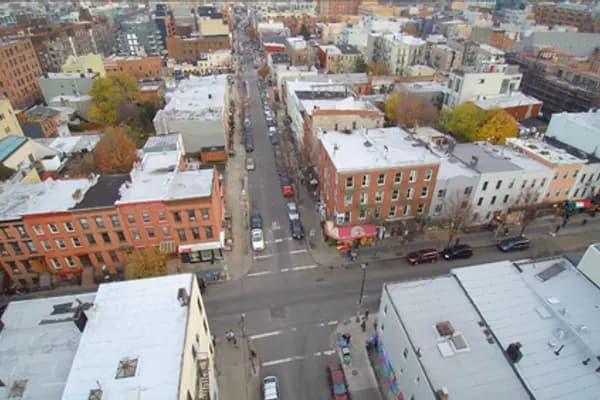
At the intersection of grit and glamour, this Brooklyn enclave has morphed from a gritty industrial hub to a frenetic playground for creatives and dreamers. Once a stronghold of factories lining the East River, the area underwent a seismic shift in the late 20th century, reshaping its identity from a forgotten outpost to a cultural beacon. The remnants of its industrial past are still palpable in the warehouses and lofts, where artists once commandeered space for studios and exhibitions, crafting a narrative that would draw attention from both the national and international art scenes.
The 1990s saw a grassroots renaissance, led by the Brooklyn Immersionists, who transformed streets and rooftops into canvases of artistic expression. In this era, local businesses flourished, setting the stage for a vibrant community brimming with creativity. However, the dawn of the 21st century brought a different kind of change. Zoning laws and tax incentives attracted corporate developers, reshaping the skyline with high-rises that stood in stark contrast to the area’s bohemian roots. The surge in living costs, accompanied by a wave of chain stores, signaled a new chapter, one that felt like a bittersweet farewell to the original spirit of the neighborhood.
Yet, amidst the towering condos and polished storefronts, the essence of this creative capital endures. A new generation of artists and entrepreneurs has emerged, cultivating a contemporary art scene that thrives alongside a nightlife pulsing with energy. Small venues along Bedford Avenue and the waterfront continue to host indie rock shows and electronic music events, while boutiques and eateries offer a taste of the eclectic spirit that once defined the streets.
For those seeking a glimpse of the past intertwined with the present, this neighborhood remains a compelling destination. Whether you’re sipping a locally brewed coffee at a café that once housed a factory or dancing the night away in a repurposed warehouse, the layers of history and creativity invite exploration at every turn.
Encyclopedic content adapted from the Wikipedia article on Williamsburg, used under CC BY-SA 4.0.
What makes Williamsburg special
Williamsburg stands out among New York’s neighborhoods for its distinctive character: the creative capital of brooklyn. It tops our ranking of the best neighborhoods in New York, it offers the kind of experience that defines a great city trip — a place where the streets themselves tell a story and every block rewards curiosity.
Best for
Our take on Williamsburg
Williamsburg is the neighborhood we send friends to first when they visit New York. It earns the top spot in our ranking not because it is the most famous district in the city, but because it delivers the most complete neighborhood experience — the kind of place where every block rewards curiosity and every return visit reveals something new.
What strikes us most about Williamsburg is the depth of its food culture. This is not a neighborhood with a few good restaurants — it is a neighborhood where eating well is woven into daily life, where the corner places are as good as the destination spots, and where you could eat every meal for a week without repeating yourself or being disappointed.
Our editors recommend budgeting at least half a day here — enough time to walk the main streets, sit down for coffee, and discover the side streets where Williamsburg's real character lives.
Living in Williamsburg
Williamsburg is connected to the rest of New York by public transit, and most visitors find it straightforward to reach from the city center or airport. Once you arrive, the neighborhood is best explored on foot — the scale is human and the streets reward wandering.
Day-to-day life in Williamsburg has the rhythm of a genuine residential neighborhood. You will find grocery stores, pharmacies, cafés with morning regulars, and the kind of small independent shops that only survive where locals support them. For visitors, this means the infrastructure you need — good coffee, a decent meal, a quiet place to sit — is always within a short walk.
Accommodation in Williamsburg ranges from boutique hotels to short-term rentals. We generally recommend staying within the neighborhood itself rather than commuting from a hotel elsewhere in New York — the experience of waking up inside a great neighborhood is fundamentally different from visiting one as a day trip.
What locals say about Williamsburg
Long-term residents of Williamsburg tend to describe their neighborhood with a mix of pride and protectiveness. Like any district with genuine character, Williamsburg inspires loyalty — the kind of place people move to and never quite leave, or leave and spend years trying to get back to.
The creative community in Williamsburg is genuine, not aspirational. Residents include working artists, writers, musicians, and designers who chose the neighborhood because it supported their work — affordable studio space, a community that values craft, and enough foot traffic to sustain independent galleries and shops.
Like any neighborhood that has earned attention, Williamsburg is navigating the tension between popularity and preservation. Rents have risen, new businesses have arrived, and long-time residents occasionally grumble that the neighborhood is not what it was. But the fundamentals — the walkability, the food, the community — remain strong, and most locals we speak to believe the neighborhood is still gaining more than it is losing.
Visitor tips
- Williamsburg is located in New York, United States. The neighborhood is accessible by public transport, taxi, or rideshare from most parts of the city.
- Morning is often the best time to explore — the streets are quieter, the light is better for photography, and cafes are at their most welcoming.
- Wear comfortable walking shoes — the best way to experience Williamsburg is on foot, wandering the side streets and discovering what lies around each corner.
- Save the neighborhood's location on your phone before you arrive. Offline maps are especially useful for navigating the smaller side streets.