About the neighborhood
District in Reykjavík, Iceland
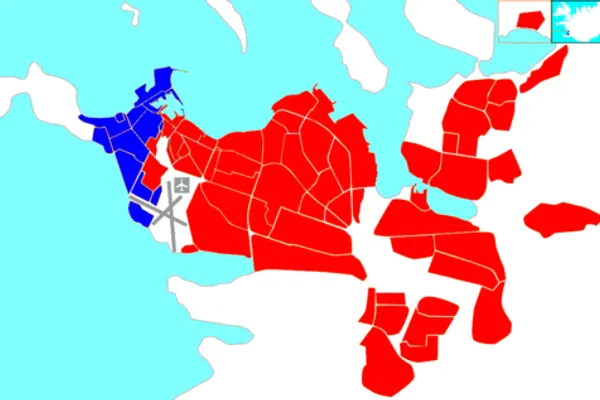
Vesturbær (Icelandic pronunciation: ˈvɛstʏrˌpaiːr̥) is a district in Reykjavík in Iceland, comprising eight neighbourhoods west of the city center: Gamli Vesturbær ˈkamlɪ ˈvɛstʏrˌpaiːr̥, Bráðræðisholt ˈprauðˌraiːðɪsˌhɔl̥t, Grandahverfi ˈkrantaˌkʰvɛrvɪ, Hagahverfi ˈhaːɣaˌkʰvɛrvɪ, Melar ˈmɛːlar̥, Skjól ˈscouːl̥, Grímsstaðaholt ˈkrimsˌstaːðaˌhɔl̥t, Skildinganes ˈscɪltiŋkaˌnɛːs and Litli Skerjafjörður ˈlɪhtlɪ ˌscɛrjaˌfjœrðʏr̥.
Overview
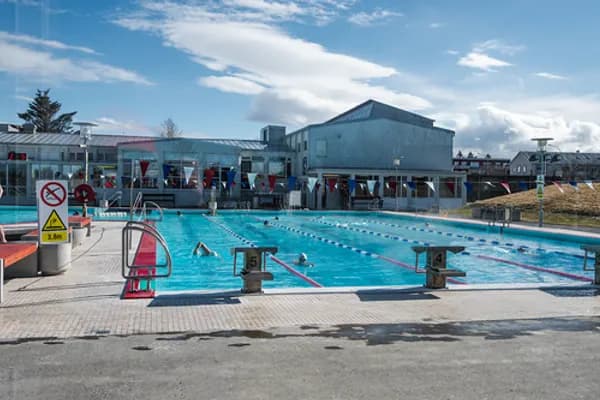
Vesturbær, or the West Town, was the first district to develop when Reykjavík started to grow from a small village to a town in the late 19th century. Vesturbær is mostly residential with increasing commercial activity at Grandi, the part of the harbor that belongs to Vesturbær. Vesturbær is one of the most expensive districts in Reykjavík real estate. The district is home to the University of Iceland, in addition to four grade schools: Melaskóli, Landakotsskóli, Vesturbæjarskóli and Grandaskóli and one junior high Hagaskóli. The district service center is in Vesturmiðstöð on Laugavegur. The athletics team KR is also based in Vesturbær, and its stadium is in the area. Vesturbæjarlaug is the local swimming pool and an important community hub.
Main sights
Vesturbæjarlaug – swimming pool
Whales Of Iceland - Whale Museum
References
64°08′55″N 21°57′10″W / 64.148581°N 21.952723°W / 64.148581; -21.952723
Encyclopedic content adapted from the Wikipedia article on Vesturbær, used under CC BY-SA 4.0.
What makes Vesturbær special
Vesturbær stands out among Reykjavik’s neighborhoods for its distinctive character: reykjavik's quiet west. Ranked #4 in Reykjavik, it offers the kind of experience that defines a great city trip — a place where the streets themselves tell a story and every block rewards curiosity.
Best for
Our take on Vesturbær
Vesturbær occupies a distinctive place in Reykjavik's neighborhood landscape. It is the kind of district that rewards travelers who venture beyond the obvious choices — quieter than the tourist-facing areas, richer in local character, and full of the small details that make a city trip memorable.
What makes Vesturbær worth the visit is the texture of daily life here. It is a neighborhood that functions for the people who live in it — not just for the visitors who pass through. The shops serve local needs, the restaurants feed local appetites, and the streets have a rhythm that reflects genuine community rather than tourism infrastructure. That is the quality our editors prize most, and Vesturbær has it in abundance.
Our editors recommend budgeting at least half a day here — enough time to walk the main streets, sit down for coffee, and discover the side streets where Vesturbær's real character lives.
Living in Vesturbær
Vesturbær is connected to the rest of Reykjavik by public transit, and most visitors find it straightforward to reach from the city center or airport. Once you arrive, the neighborhood is best explored on foot — the scale is human and the streets reward wandering.
This is a neighborhood with strong residential roots, which means the infrastructure of daily life is well-established: grocery stores, pharmacies, parks, playgrounds, and the kind of quiet side streets where children play and neighbors greet each other. For visitors, this translates into a feeling of safety and belonging that more tourist-oriented districts rarely provide.
Accommodation in Vesturbær ranges from boutique hotels to short-term rentals. We generally recommend staying within the neighborhood itself rather than commuting from a hotel elsewhere in Reykjavik — the experience of waking up inside a great neighborhood is fundamentally different from visiting one as a day trip.
What locals say about Vesturbær
Long-term residents of Vesturbær tend to describe their neighborhood with a mix of pride and protectiveness. Like any district with genuine character, Vesturbær inspires loyalty — the kind of place people move to and never quite leave, or leave and spend years trying to get back to.
What locals appreciate most about Vesturbær is its consistency — the feeling that the neighborhood works the same way on a Tuesday morning as it does on a Saturday night. It is not a place that performs for visitors and then goes quiet. The rhythm is genuine, the community is real, and the daily experience of living here is what draws people and keeps them.
Compared to the more famous districts in Reykjavik, Vesturbær has maintained a lower profile, which many residents consider an advantage. The neighborhood evolves gradually rather than being reshaped by sudden attention, and the result is a community that still feels organic rather than curated.
Visitor tips
- Vesturbær is located in Reykjavik, Iceland. The neighborhood is accessible by public transport, taxi, or rideshare from most parts of the city.
- Morning is often the best time to explore — the streets are quieter, the light is better for photography, and cafes are at their most welcoming.
- Wear comfortable walking shoes — the best way to experience Vesturbær is on foot, wandering the side streets and discovering what lies around each corner.
- Save the neighborhood's location on your phone before you arrive. Offline maps are especially useful for navigating the smaller side streets.