About the neighborhood
Neighborhood in Aarhus Municipality, Central Denmark Region, Kingdom of Denmark
Trøjborg is a neighborhood in the city of Aarhus, Denmark in Skt. Johannes parish with about 11,000 residents as of 2015. The neighborhood is part of the district Aarhus N and borders the neighborhoods Nørre Stenbro to the South West, Risskov to the North and Riis Skov and the Bay of Aarhus to the East. Trøjborg is delimited by the streets Dronning Margrethesvej, Trøjborgvej and Nordre Ringgade.
Etymology
Trøjborg, formerly Troyæborg, is used to denote buildings and areas in several places in Denmark. The name originates from the labyrinth at the castle of the classical Troy and is often used to name places that are naturally labyrinthine. In the case of Aarhus, the name is first seen in a document from 1632 mentioning Trøjborgbæk and again in 1758 when a garden called Trøjborg beyond the city gate at Mejlgade was sold. The name is likely a reference to the hilly landscape around Riis Skov.
History
The neighborhood developed as a working-class district in response to rapid population growth resulting from industrialization in the early 20th century. The area originally consisted of grazing land for the cattle of the city but in 1851 the city walls around Aarhus were dismantled opening the lands for development. In 1880, the large graveyard Nordre Kirkegård was established and the lands north of the graveyard were parceled and sold off to developers. Trøjborg was gradually developed in stages, with the first 5,000 apartments being built from 1896 to 1902 and the last between 1928 and 1937.
Outline
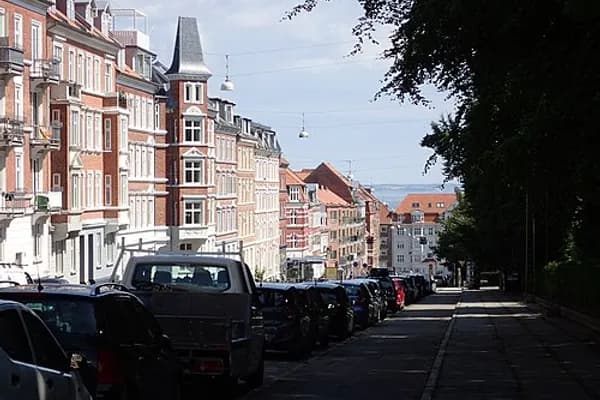
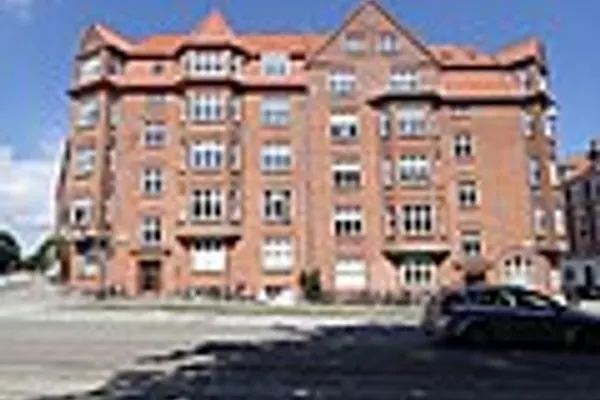
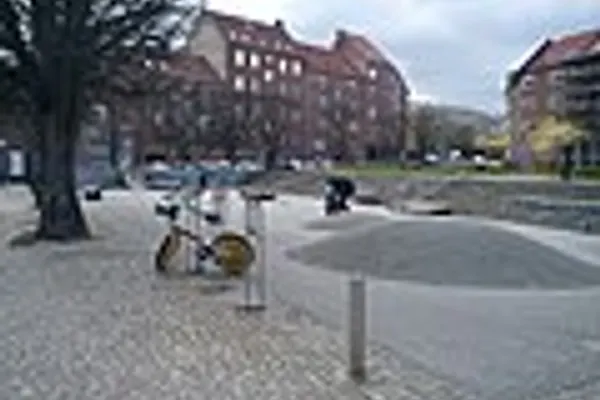
Trøjborg's architecture is mixed. Large villas, industrial sites and some apartments were constructed in the late 19th century, and in the 1930s, the area was fully developed with city blocks and organized city planning. The streets in the neighborhood are named after notable Danish naval officers such as Niels Juel, Steen Bille and Herluf Trolle; the main street is named after Danish-Norwegian Tordenskjold.
Trøjborg is characterized from other neighborhoods and districts in Aarhus by a well-developed local community separate from the rest of Midtbyen. The neighborhood has some 100 stores and shops, a cinema, the Trøjborg Centret mall, a local community organization, a local radio station, and a building that offers various recreational activities and facilities.
Gallery
References
External links
Wikimedia Commons has media related to Trøjborg.
Trøjborg Community Organization
Trøjborg Community Building
Trøjborg local history group
56°10′23″N 10°12′54″E / 56.173°N 10.2151°E / 56.173; 10.2151
Encyclopedic content adapted from the Wikipedia article on Trøjborg, used under CC BY-SA 4.0.
What makes Trøjborg special
Trøjborg stands out among Aarhus’s neighborhoods for its distinctive character: aarhus' northern student quarter. Ranked #5 in Aarhus, it offers the kind of experience that defines a great city trip — a place where the streets themselves tell a story and every block rewards curiosity.
Best for
Our take on Trøjborg
Trøjborg occupies a distinctive place in Aarhus's neighborhood landscape. It is the kind of district that rewards travelers who venture beyond the obvious choices — quieter than the tourist-facing areas, richer in local character, and full of the small details that make a city trip memorable.
What makes Trøjborg exceptional is the density of its cultural life. Art galleries, independent bookshops, small theaters, and creative studios are woven into the fabric of the neighborhood rather than clustered in a single zone. You encounter culture here by accident, which is how the best cultural experiences always happen.
Our editors recommend budgeting at least half a day here — enough time to walk the main streets, sit down for coffee, and discover the side streets where Trøjborg's real character lives.
Living in Trøjborg
Trøjborg is connected to the rest of Aarhus by public transit, and most visitors find it straightforward to reach from the city center or airport. Once you arrive, the neighborhood is best explored on foot — the scale is human and the streets reward wandering.
Day-to-day life in Trøjborg has the rhythm of a genuine residential neighborhood. You will find grocery stores, pharmacies, cafés with morning regulars, and the kind of small independent shops that only survive where locals support them. For visitors, this means the infrastructure you need — good coffee, a decent meal, a quiet place to sit — is always within a short walk.
Accommodation in Trøjborg ranges from boutique hotels to short-term rentals. We generally recommend staying within the neighborhood itself rather than commuting from a hotel elsewhere in Aarhus — the experience of waking up inside a great neighborhood is fundamentally different from visiting one as a day trip.
What locals say about Trøjborg
Long-term residents of Trøjborg tend to describe their neighborhood with a mix of pride and protectiveness. Like any district with genuine character, Trøjborg inspires loyalty — the kind of place people move to and never quite leave, or leave and spend years trying to get back to.
The creative community in Trøjborg is genuine, not aspirational. Residents include working artists, writers, musicians, and designers who chose the neighborhood because it supported their work — affordable studio space, a community that values craft, and enough foot traffic to sustain independent galleries and shops.
Compared to the more famous districts in Aarhus, Trøjborg has maintained a lower profile, which many residents consider an advantage. The neighborhood evolves gradually rather than being reshaped by sudden attention, and the result is a community that still feels organic rather than curated.
Visitor tips
- Trøjborg is located in Aarhus, Denmark. The neighborhood is accessible by public transport, taxi, or rideshare from most parts of the city.
- Morning is often the best time to explore — the streets are quieter, the light is better for photography, and cafes are at their most welcoming.
- Wear comfortable walking shoes — the best way to experience Trøjborg is on foot, wandering the side streets and discovering what lies around each corner.
- Save the neighborhood's location on your phone before you arrive. Offline maps are especially useful for navigating the smaller side streets.