About the neighborhood
Neighbourhood of Riga, Latvia
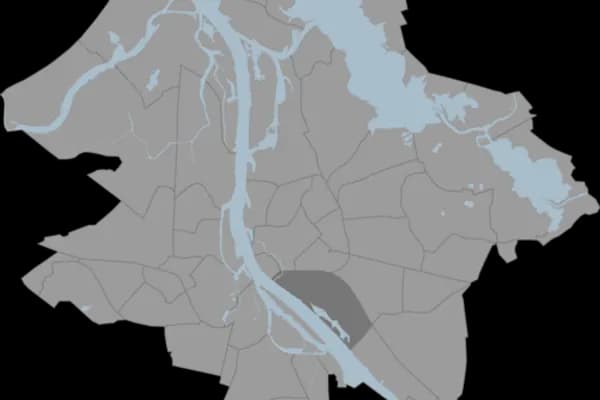
The Latgale neighbourhood of Riga is situated on the right bank of the Daugava River, located to the south of Old Riga. Until 2024, the neighbourhood was named Maskavas forštate (German: Moskauer Vorstadt), and was also known as Maskavas priekšpilsēta and colloquially as Maskačka—a name derived from the road historically connecting Riga to Moscow.
History
The history of Maskavas forštate, whose name in English literally means Moscow Suburb, goes back to at least the 14th century, in some parts the medieval street network has been preserved. However, the area is first mentioned in 1348 by the name of Lastādija (German: Lastadie).
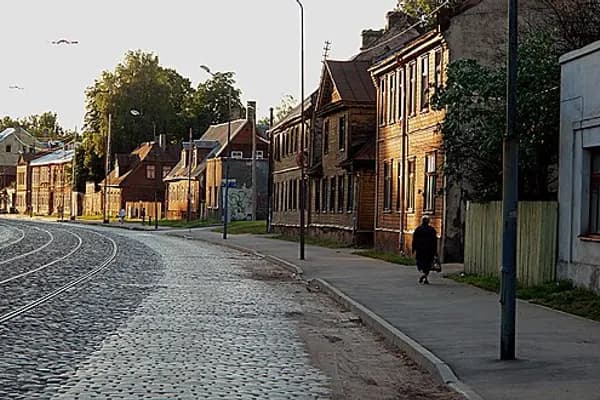
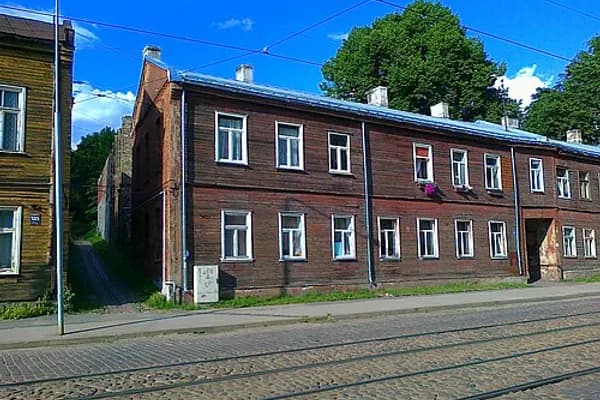
Architecturally, the neighborhood reflects its history as an area of Russian, Belarusian and Jewish migration, especially characteristic wooden homes.
During the Nazi occupation of Riga, the neighborhood was turned into a ghetto for Jews. Today, there are memorials on the site of the Great Choral Synagogue and the Old Jewish Cemetery. Most of the prewar buildings remain standing.
Prior to World War II, the area was referred to in official Latvian documents as the Statistical District Latgale and informally as Latgales apkaime (Latgale neighborhood) before becoming known as Maskavas forštate (Moscow Suburb). After independence from the Soviet Union, it reverted to its prewar name in 2024 as part of derussification efforts by the Latvian government.
Demographics
In the 1980s and 1990s the area developed a reputation for drug abuse and criminal activity. New buildings, offices, shops and the migration of local families have changed the district's economic profile in the 21st century.
By 2008, Maskavas Forštate had an average level of criminality along with the Centre and Old Riga. The Ministry of the Interior of Latvia divided Riga into 9 districts with the following levels of criminality:
2 - High (more than 2900 criminal offences): Located in the periphery of Riga.
4 - Average (between 2100 and 2700 criminal offences): Centre, Old Riga, Maskavas forštate.
3 - Low (less than 1700 criminal offences): Purvciems, Mežaparks (One of the wealthier areas of Riga).
Based on the number of criminal offences against foreigners, Maskavas forštate was the 3rd safest district in Riga according to the statistics.
Architecture
The area has a notable legacy of diverse religious buildings, reflecting its history as a destination for numerous migrants.
The Lutheran Jesus Church is the biggest wooden classical building in Latvia.
Grebenstchikov Old Believer House of Prayer is the largest in the world.
The Central Market is located next to the railway station in a series of former Zeppelin hangars.
Protected Heritage status for older wooden houses has prevented their demolition, and a process of gentrification is underway.
Higher Education
Lomonosova Street (lv) is the location of a cluster of higher education institutions.
Baltic International Academy
Transport and Telecommunication Institute
ISMA University
College of Economics and Culture (lv)
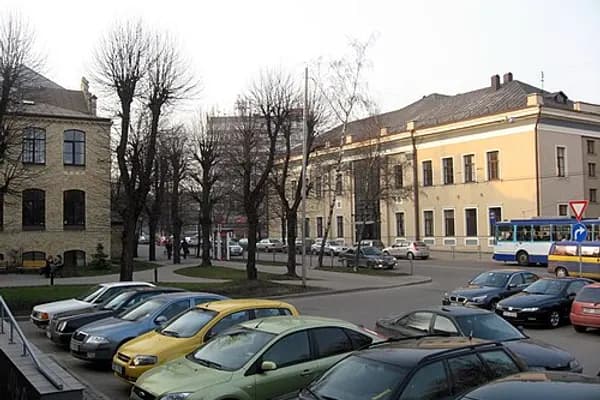
The building of the Latvian Academy of Sciences is located on Akadēmijas Square. Nearby is the Riga Building College.
The Latvian Academy of Culture (lv) is on Ludzas Street (lv).
Transport
The suburb is defined by the Riga–Daugavpils Railway which borders it on the north and east along with marshaling yards. If the Rail Baltica project is competed as planned in Riga, part of the railway embankment separating the suburb from the city centre will be replaced by an overpass bridge, greatly restoring access to the suburb.
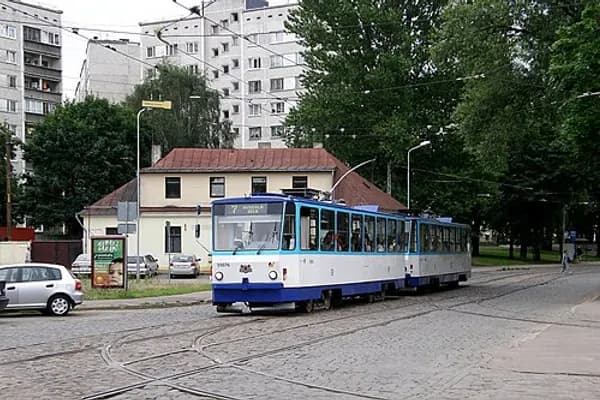
Central and Vagonu Parks stations are accessible from the area. Rigas Satiksme operates a tramline down Latgales street and bus services throughout.
In popular culture
Some scenes in the television adaptation of the Robert Harris novel Archangel, starring Daniel Craig, were filmed on Latgales (formerly Maskavas) iela and Katoļu iela.
The 1995 adaption of The Dogs of Riga featured scenes set at Riga Central Market. In the 2012 adaptation, in the Wallander TV series featuring Kenneth Branagh, the main character visits Latgale Market (Latgales tirgus) on Firsa Sadovņikova street.
Gallery
References
External links
Wikimedia Commons has media related to Latgale Neighborhood.
Riga historical encyclopaedia
Latgale suburb area history in Latvian
The Virtual Jewish History Tour History of the Riga ghetto
56°56′04″N 24°08′43″E / 56.93444°N 24.14528°E / 56.93444; 24.14528
Encyclopedic content adapted from the Wikipedia article on Spīķeri, used under CC BY-SA 4.0.
What makes Spīķeri special
Spīķeri stands out among Riga’s neighborhoods for its distinctive character: riga's warehouse creative quarter. Ranked #5 in Riga, it offers the kind of experience that defines a great city trip — a place where the streets themselves tell a story and every block rewards curiosity.
Best for
Our take on Spīķeri
Spīķeri occupies a distinctive place in Riga's neighborhood landscape. It is the kind of district that rewards travelers who venture beyond the obvious choices — quieter than the tourist-facing areas, richer in local character, and full of the small details that make a city trip memorable.
What strikes us most about Spīķeri is the depth of its food culture. This is not a neighborhood with a few good restaurants — it is a neighborhood where eating well is woven into daily life, where the corner places are as good as the destination spots, and where you could eat every meal for a week without repeating yourself or being disappointed.
Our editors recommend budgeting at least half a day here — enough time to walk the main streets, sit down for coffee, and discover the side streets where Spīķeri's real character lives.
Living in Spīķeri
Spīķeri is connected to the rest of Riga by public transit, and most visitors find it straightforward to reach from the city center or airport. Once you arrive, the neighborhood is best explored on foot — the scale is human and the streets reward wandering.
Day-to-day life in Spīķeri has the rhythm of a genuine residential neighborhood. You will find grocery stores, pharmacies, cafés with morning regulars, and the kind of small independent shops that only survive where locals support them. For visitors, this means the infrastructure you need — good coffee, a decent meal, a quiet place to sit — is always within a short walk.
Accommodation in Spīķeri ranges from boutique hotels to short-term rentals. We generally recommend staying within the neighborhood itself rather than commuting from a hotel elsewhere in Riga — the experience of waking up inside a great neighborhood is fundamentally different from visiting one as a day trip.
What locals say about Spīķeri
Long-term residents of Spīķeri tend to describe their neighborhood with a mix of pride and protectiveness. Like any district with genuine character, Spīķeri inspires loyalty — the kind of place people move to and never quite leave, or leave and spend years trying to get back to.
The creative community in Spīķeri is genuine, not aspirational. Residents include working artists, writers, musicians, and designers who chose the neighborhood because it supported their work — affordable studio space, a community that values craft, and enough foot traffic to sustain independent galleries and shops.
Compared to the more famous districts in Riga, Spīķeri has maintained a lower profile, which many residents consider an advantage. The neighborhood evolves gradually rather than being reshaped by sudden attention, and the result is a community that still feels organic rather than curated.
Visitor tips
- Spīķeri is located in Riga, Latvia. The neighborhood is accessible by public transport, taxi, or rideshare from most parts of the city.
- Morning is often the best time to explore — the streets are quieter, the light is better for photography, and cafes are at their most welcoming.
- Wear comfortable walking shoes — the best way to experience Spīķeri is on foot, wandering the side streets and discovering what lies around each corner.
- Save the neighborhood's location on your phone before you arrive. Offline maps are especially useful for navigating the smaller side streets.