About the neighborhood
District in Bucharest, Romania
44°27′57″N 26°05′29″E / 44.46583°N 26.09139°E / 44.46583; 26.09139
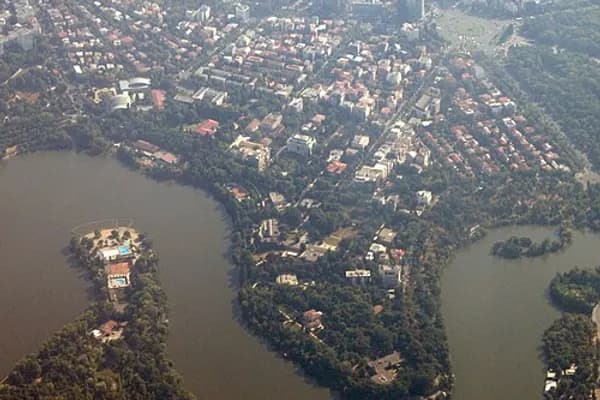
Primăverii neighborhood (“Springtime”) is a district situated in the north of Bucharest, the capital of Romania, in Sector 1. The area is one of the most expensive in the city and is home to many politicians and local celebrities.
History
The district is relatively new and was built on the old "Grădina Bordei" park which was situated on the outskirts of the city at the beginning of the 20th century. The park was given as a wedding present to his daughter Caliopi by Constantin Hrisoscoleu, when she married Petrache Poenaru. The domain was later bought by King Carol II of Romania.
The houses of the district were built in the 1930s as inexpensive semi-detached houses by architect Octav Doicescuro. After World War II, most members of the Central Committee of the Romanian Communist Party moved to the area, with the largest houses on Primăverii boulevard being inhabited by the members of the Politburo. These houses, which had large gardens in the back, were surrounded by tall walls and heavily guarded by the Romanian police at the time, called Miliția.
Starting with the 1960s, the nomenklatura began building large mansions, with many rooms, parks, and swimming pools. For instance, Alexandru Drăghici built a villa on the banks of Lake Herăstrău, which, after Drăghici fell out of favour with the leaders, was later converted into the Primăverii Palace and used for heads of state guests. Nicolae Ceaușescu occupied a whole block of villas, including one for his security guards and one for domestic servants.
Landmarks
Primăverii has remained an exclusive district since those days. Many historic villas and mansions are now repurposed as embassies, corporate centers, and museums. Some of these are:
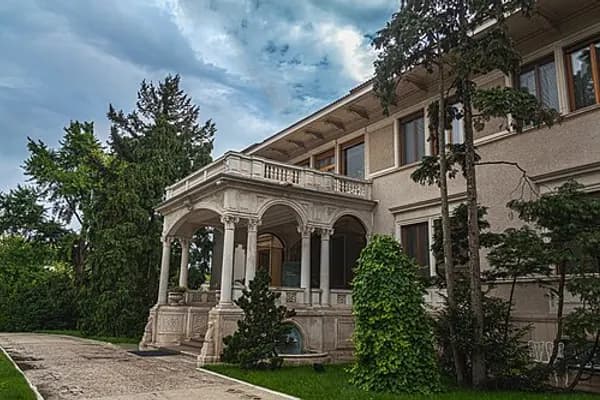
Primăverii Palacero – Ceaușescu's villa, now turned into a museum
Museum of Recent Art (MARe) – contemporary art museum
Transportation
The district is served by the Aviatorilor metro station and by various STB buses.
References
External links
"Zona: Primăverii". ghid.imopedia.ro (in Romanian). Retrieved November 26, 2020.
Encyclopedic content adapted from the Wikipedia article on Primăverii, used under CC BY-SA 4.0.
What makes Primăverii special
Primăverii stands out among Bucharest’s neighborhoods for its distinctive character: bucharest's embassy quarter. Ranked #4 in Bucharest, it offers the kind of experience that defines a great city trip — a place where the streets themselves tell a story and every block rewards curiosity.
Best for
Our take on Primăverii
Primăverii occupies a distinctive place in Bucharest's neighborhood landscape. It is the kind of district that rewards travelers who venture beyond the obvious choices — quieter than the tourist-facing areas, richer in local character, and full of the small details that make a city trip memorable.
What makes Primăverii exceptional is the density of its cultural life. Art galleries, independent bookshops, small theaters, and creative studios are woven into the fabric of the neighborhood rather than clustered in a single zone. You encounter culture here by accident, which is how the best cultural experiences always happen.
Our editors recommend budgeting at least half a day here — enough time to walk the main streets, sit down for coffee, and discover the side streets where Primăverii's real character lives.
Living in Primăverii
Primăverii is connected to the rest of Bucharest by public transit, and most visitors find it straightforward to reach from the city center or airport. Once you arrive, the neighborhood is best explored on foot — the scale is human and the streets reward wandering.
Day-to-day life in Primăverii has the rhythm of a genuine residential neighborhood. You will find grocery stores, pharmacies, cafés with morning regulars, and the kind of small independent shops that only survive where locals support them. For visitors, this means the infrastructure you need — good coffee, a decent meal, a quiet place to sit — is always within a short walk.
Accommodation in Primăverii ranges from boutique hotels to short-term rentals. We generally recommend staying within the neighborhood itself rather than commuting from a hotel elsewhere in Bucharest — the experience of waking up inside a great neighborhood is fundamentally different from visiting one as a day trip.
What locals say about Primăverii
Long-term residents of Primăverii tend to describe their neighborhood with a mix of pride and protectiveness. Like any district with genuine character, Primăverii inspires loyalty — the kind of place people move to and never quite leave, or leave and spend years trying to get back to.
The creative community in Primăverii is genuine, not aspirational. Residents include working artists, writers, musicians, and designers who chose the neighborhood because it supported their work — affordable studio space, a community that values craft, and enough foot traffic to sustain independent galleries and shops.
Compared to the more famous districts in Bucharest, Primăverii has maintained a lower profile, which many residents consider an advantage. The neighborhood evolves gradually rather than being reshaped by sudden attention, and the result is a community that still feels organic rather than curated.
Visitor tips
- Primăverii is located in Bucharest, Romania. The neighborhood is accessible by public transport, taxi, or rideshare from most parts of the city.
- Morning is often the best time to explore — the streets are quieter, the light is better for photography, and cafes are at their most welcoming.
- Wear comfortable walking shoes — the best way to experience Primăverii is on foot, wandering the side streets and discovering what lies around each corner.
- Save the neighborhood's location on your phone before you arrive. Offline maps are especially useful for navigating the smaller side streets.