About the neighborhood
Neighborhood in Athens, Attica, Greece
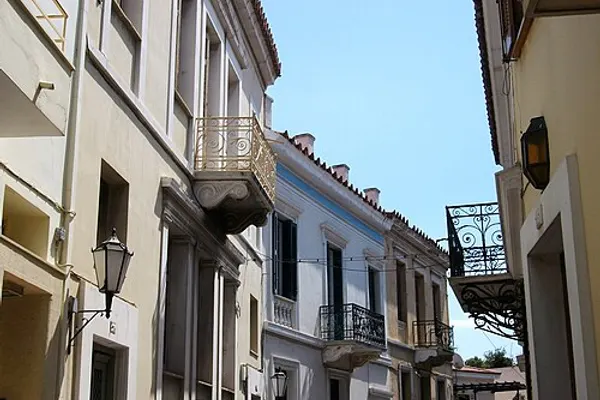
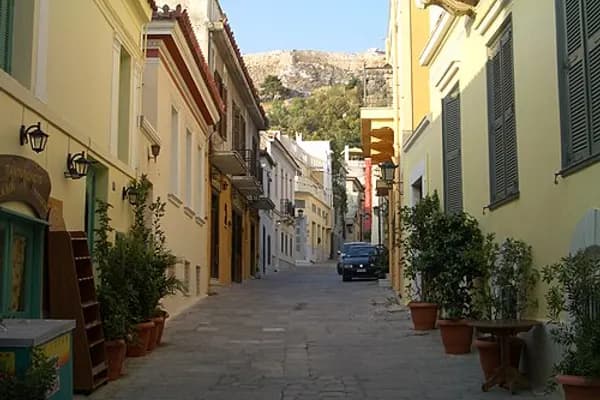
Nestled beneath the watchful gaze of the Acropolis, this historical enclave is a tapestry of ancient whispers and vibrant modern life. Plaka’s charm lies not just in its proximity to one of the world’s most iconic landmarks, but also in its labyrinthine streets that beckon the curious wanderer to lose themselves in the maze of neoclassical architecture and eclectic shops. This is a neighborhood where every corner tells a story, from the remnants of ancient Athens to the lively cafés that spill out onto cobblestone thoroughfares.
The roots of Plaka run deep, intertwining with the very essence of Athens itself. The name first appeared in the second half of the 17th century, but the area has long been known by various monikers—each adding a layer to its rich history. Once the domain of the Ottoman era, it was known as Alikokkou, a nod to a family of Frankish origin that shaped its identity. The evolution of its name reflects a broader narrative of cultural assimilation and historical significance, hinting at a time when this neighborhood was a vibrant tapestry of diverse influences.
Strolling down Adrianou Street, the heart of Plaka, you’ll encounter a delightful mix of traditional tavernas, where the aroma of grilled souvlaki mingles with the sweet scent of baklava. The area is peppered with charming boutiques and artisan shops, each offering a window into the craftsmanship that has survived through the ages. The Choragic Monument of Lysicrates stands as a proud testament to the neighborhood's ancient roots, while the nearby Ancient Agora invites exploration into the civic life of classical Athens.
As the sun sets and the golden light casts long shadows over the ancient stones, Plaka transforms into a convivial gathering place. The sounds of laughter and music fill the air, drawing locals and travelers alike into a shared experience steeped in history. A visit here is more than just a stroll through a picturesque neighborhood; it’s an invitation to partake in the enduring spirit of Athens, where the past and present exist in a harmonious dance.
Encyclopedic content adapted from the Wikipedia article on Plaka, used under CC BY-SA 4.0.
What makes Plaka special
Plaka stands out among Athens’s neighborhoods for its distinctive character: athens under the acropolis. It tops our ranking of the best neighborhoods in Athens, it offers the kind of experience that defines a great city trip — a place where the streets themselves tell a story and every block rewards curiosity.
Best for
Our take on Plaka
Plaka is the neighborhood we send friends to first when they visit Athens. It earns the top spot in our ranking not because it is the most famous district in the city, but because it delivers the most complete neighborhood experience — the kind of place where every block rewards curiosity and every return visit reveals something new.
What makes Plaka worth the visit is the texture of daily life here. It is a neighborhood that functions for the people who live in it — not just for the visitors who pass through. The shops serve local needs, the restaurants feed local appetites, and the streets have a rhythm that reflects genuine community rather than tourism infrastructure. That is the quality our editors prize most, and Plaka has it in abundance.
Our editors recommend budgeting at least half a day here — enough time to walk the main streets, sit down for coffee, and discover the side streets where Plaka's real character lives.
Living in Plaka
Plaka is connected to the rest of Athens by public transit, and most visitors find it straightforward to reach from the city center or airport. Once you arrive, the neighborhood is best explored on foot — the scale is human and the streets reward wandering.
Day-to-day life in Plaka has the rhythm of a genuine residential neighborhood. You will find grocery stores, pharmacies, cafés with morning regulars, and the kind of small independent shops that only survive where locals support them. For visitors, this means the infrastructure you need — good coffee, a decent meal, a quiet place to sit — is always within a short walk.
Accommodation in Plaka ranges from boutique hotels to short-term rentals. We generally recommend staying within the neighborhood itself rather than commuting from a hotel elsewhere in Athens — the experience of waking up inside a great neighborhood is fundamentally different from visiting one as a day trip.
What locals say about Plaka
Long-term residents of Plaka tend to describe their neighborhood with a mix of pride and protectiveness. Like any district with genuine character, Plaka inspires loyalty — the kind of place people move to and never quite leave, or leave and spend years trying to get back to.
What locals appreciate most about Plaka is its consistency — the feeling that the neighborhood works the same way on a Tuesday morning as it does on a Saturday night. It is not a place that performs for visitors and then goes quiet. The rhythm is genuine, the community is real, and the daily experience of living here is what draws people and keeps them.
Like any neighborhood that has earned attention, Plaka is navigating the tension between popularity and preservation. Rents have risen, new businesses have arrived, and long-time residents occasionally grumble that the neighborhood is not what it was. But the fundamentals — the walkability, the food, the community — remain strong, and most locals we speak to believe the neighborhood is still gaining more than it is losing.
Visitor tips
- Plaka is located in Athens, Greece. The neighborhood is accessible by public transport, taxi, or rideshare from most parts of the city.
- Morning is often the best time to explore — the streets are quieter, the light is better for photography, and cafes are at their most welcoming.
- Wear comfortable walking shoes — the best way to experience Plaka is on foot, wandering the side streets and discovering what lies around each corner.
- Save the neighborhood's location on your phone before you arrive. Offline maps are especially useful for navigating the smaller side streets.