About the neighborhood
Ward in Hokkaidō, Japan
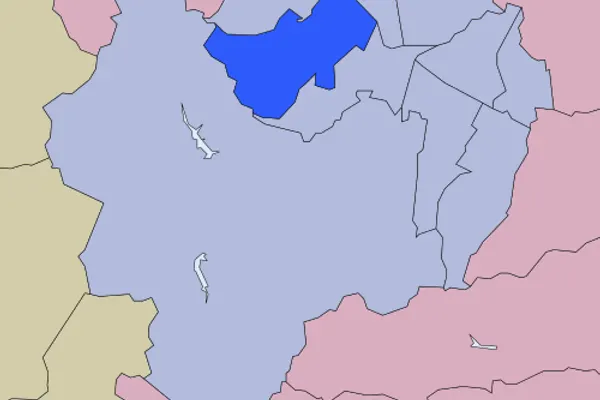
Nishi (西区; -ku, lit. "west ward") is a ward of Sapporo composed of residential neighborhoods mostly arranged in grid patterns, with some areas of farmland and forested mountainous terrain mostly near its western and southern edges. It is located the west part of Sapporo city and the second largest of Sapporo's 10 wards. Neighbourhoods within Nishi-ku include Kotoni (琴似), Hachiken (八軒), Nijuyonken (二十四軒), Yamanote (山の手), Nishimachi (西町), Nishino (西野), Fukui (福井), Heiwa (平和), Hassamu (発寒), Miyanosawa (宮の沢), and Kobetsuzawa (小別沢).
Outline
The administrative offices of Nishi-ku are located in the Kotoni neighbourhood.
Nishi-ku is the oldest area in a history of urban development in Sapporo. Sapporo Municipal Teine Memorial Museum (手稲記念館), Kotoni Tonden Historical Archives (琴似屯田歴史館資料室), and Mitobe Memorial Museum (三戸部記念館) are sites of historical interest whose focus is on the era of Japanese 'pioneers' in Hokkaidō.
Geography
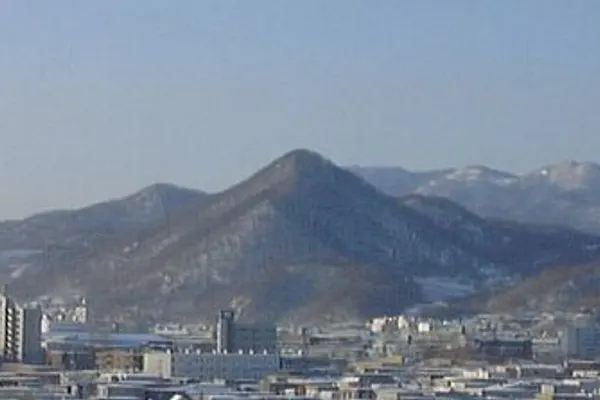
The eastern part of Nishi-Ku is flat with many residential and commercial areas, but the western part slopes into mountains. Sankaku-yama, located in the western part of the ward in the Yamanote area, is a 311.3m high triangle-shaped mountain and is a popular and easy hike. It leads to Okura jump stadium in Chuo-ku.
Hokkaido Consadole Sapporo's practice field is also located in Nishi-ku, and is a popular site for the team's fans. Major parks in Nishi-ku are Noshi Koen and Miyagaoka Koen. Numerous other parks may be found, many located along the banks of the Kotoni-Hassamu-gawa and its tributaries. Hiking trails abound. One of the most popular begins from near the Heiwa-no-taki waterfall and leads to the summit of Sapporo's famous mountain, Mt. Teine in which the Olympic game was held in 1972 has some ski ground and an amusement park, located on the division line of Nishi-ku and Teine-ku, the city's northwesternmost ward.
In the less built-up neighbourhoods of Nishino, Heiwa, Fukui, and Kobetsuzawa, it is not unusual for wildlife, such as red foxes and Asiatic brown bears to be observed.
Transportation
Primary public transportation services are the Sapporo Municipal Subway, JR Hokkaidō, and bus services including JR Hokkaidō Bus and Hokkaidō Chūō Bus. The last four stations of the Tozai subway line's western end are located here, two of which were added in 1999. Japan Highway's Sapporo-Otaru expressway section passes through Nishi-ku.
Rail
JR Hokkaido Hakodate Main Line: Hassamu - Hassamu-Chūō - Kotoni
Sasshō Line: Hachiken Station
Sapporo Municipal Subway Tōzai Line: Miyanosawa - Hassamu-Minami - Kotoni - Nijūyon-Ken
Road
Sasson: Sapporo-nishi IC
Route 5
Education
High schools
Public
Hokkaido Sapporo Seiryou High School
Hokkaido Sapporo Kotoni Technical High School
Private
Sapporo Yamanote High School
Mascot
Nishi's mascot is Yamabe Sankaku (さんかく やまベェ) is a mountain yōkai. He was discovered in Kamisunagawa in 1959. He is said to inhabit Mount Sankakuyama and Kotonihassamu River. It is believed that he is 1.5 million years old. He loves to eat mountain apples and komatsuna spinaches from the river. As he is a lover of nature, he is saving the world from global warming. He is designed by Yuji Motoaki and became mascot in 2007. He is not the only yōkai of his type, there are three others.
Nibe (にーべェ) is a Chinese yaoguai who studies martial arts like kenpo. She helps Yamabe fight pollution.
Maruyamabe (まるやまベェ) is a mountain yōkai who is scholar. He lives in Maruyama and loves studying.
Warube (わるべェ) is a yōkai who studies economics. He can expel hot air and environmental pollutants whenever carbon dioxide rises.
References
Wikimedia Commons has media related to Nishi-ku, Sapporo.
External links
Nishi ward office (in Japanese)
Cities Chitose
Ebetsu
Eniwa
Ishikari
Kitahiroshima
District Ishikari District Shinshinotsu
Tōbetsu
List of mergers in Hokkaido 43°4′28″N 141°18′3″E / 43.07444°N 141.30083°E / 43.07444; 141.30083
Encyclopedic content adapted from the Wikipedia article on Maruyama, used under CC BY-SA 4.0.
What makes Maruyama special
Maruyama stands out among Sapporo’s neighborhoods for its distinctive character: sapporo's leafy west. Ranked #4 in Sapporo, it offers the kind of experience that defines a great city trip — a place where the streets themselves tell a story and every block rewards curiosity.
Best for
Our take on Maruyama
Maruyama occupies a distinctive place in Sapporo's neighborhood landscape. It is the kind of district that rewards travelers who venture beyond the obvious choices — quieter than the tourist-facing areas, richer in local character, and full of the small details that make a city trip memorable.
What makes Maruyama worth the visit is the texture of daily life here. It is a neighborhood that functions for the people who live in it — not just for the visitors who pass through. The shops serve local needs, the restaurants feed local appetites, and the streets have a rhythm that reflects genuine community rather than tourism infrastructure. That is the quality our editors prize most, and Maruyama has it in abundance.
Our editors recommend budgeting at least half a day here — enough time to walk the main streets, sit down for coffee, and discover the side streets where Maruyama's real character lives.
Living in Maruyama
Maruyama is connected to the rest of Sapporo by public transit, and most visitors find it straightforward to reach from the city center or airport. Once you arrive, the neighborhood is best explored on foot — the scale is human and the streets reward wandering.
Day-to-day life in Maruyama has the rhythm of a genuine residential neighborhood. You will find grocery stores, pharmacies, cafés with morning regulars, and the kind of small independent shops that only survive where locals support them. For visitors, this means the infrastructure you need — good coffee, a decent meal, a quiet place to sit — is always within a short walk.
Accommodation in Maruyama ranges from boutique hotels to short-term rentals. We generally recommend staying within the neighborhood itself rather than commuting from a hotel elsewhere in Sapporo — the experience of waking up inside a great neighborhood is fundamentally different from visiting one as a day trip.
What locals say about Maruyama
Long-term residents of Maruyama tend to describe their neighborhood with a mix of pride and protectiveness. Like any district with genuine character, Maruyama inspires loyalty — the kind of place people move to and never quite leave, or leave and spend years trying to get back to.
What locals appreciate most about Maruyama is its consistency — the feeling that the neighborhood works the same way on a Tuesday morning as it does on a Saturday night. It is not a place that performs for visitors and then goes quiet. The rhythm is genuine, the community is real, and the daily experience of living here is what draws people and keeps them.
Compared to the more famous districts in Sapporo, Maruyama has maintained a lower profile, which many residents consider an advantage. The neighborhood evolves gradually rather than being reshaped by sudden attention, and the result is a community that still feels organic rather than curated.
Visitor tips
- Maruyama is located in Sapporo, Japan. The neighborhood is accessible by public transport, taxi, or rideshare from most parts of the city.
- Morning is often the best time to explore — the streets are quieter, the light is better for photography, and cafes are at their most welcoming.
- Wear comfortable walking shoes — the best way to experience Maruyama is on foot, wandering the side streets and discovering what lies around each corner.
- Save the neighborhood's location on your phone before you arrive. Offline maps are especially useful for navigating the smaller side streets.