About the neighborhood
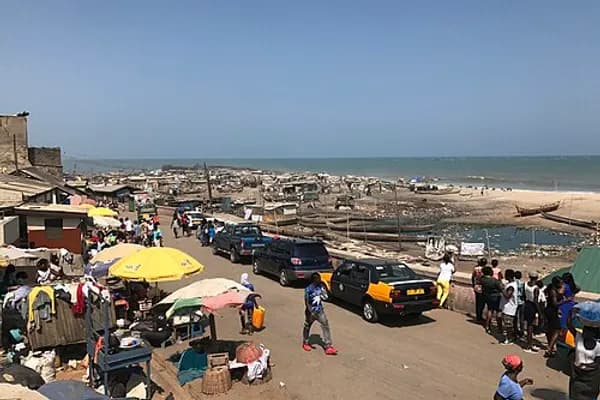
Suburb of Accra
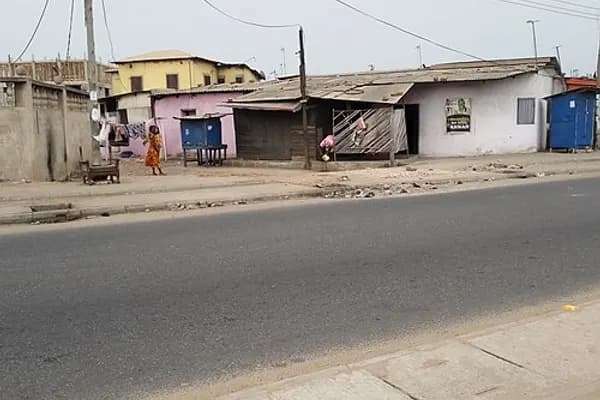
Located directly east of the Korle Lagoon, Jamestown and Usshertown are the oldest districts of Accra, Ghana and emerged as communities around the 17th century British James Fort and Dutch Ussher Fort on the Gulf of Guinea coast. These districts were developed at the end of the 19th century, and following the rapid growth of the city during the 20th century, they became areas of a dense mixture of commercial and residential use.
History
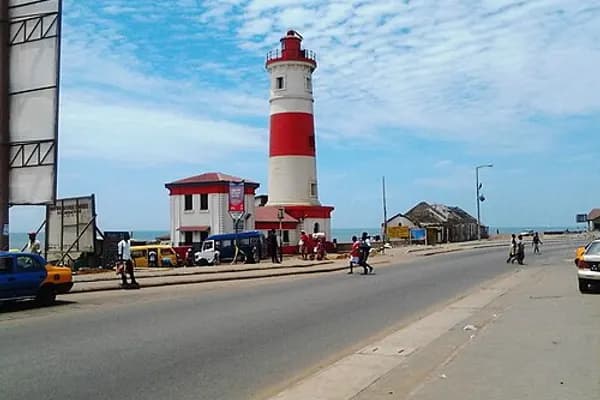
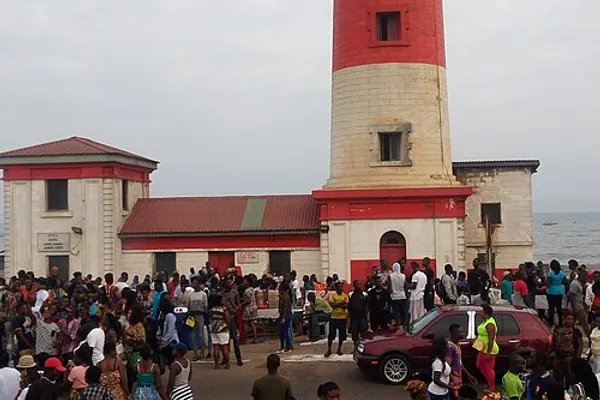
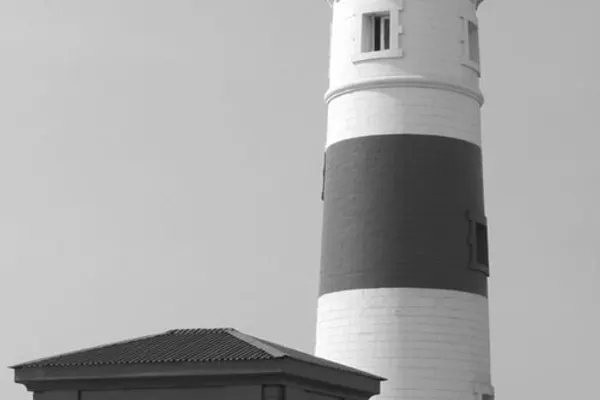
Today, both Jamestown and Usshertown remain fishing communities inhabited primarily by the Ga. Although in a state of decay, the districts are significant in the history of Accra, which replaced Cape Coast as the capital of Gold Coast (British colony) in 1876. The original lighthouse, built at James Fort in 1871, was replaced in the 1930s by the current tower, which is 28m (92ft) tall. The lighthouse, which is 34 metres (112ft) above sea level, has a visibility of 16 nautical miles (30km), it overlooks the harbour, James Fort, the Bukom district and Ussher Fort.
Since World War II, a succession of plans to enhance the capital city have come with changes in government, some seeing improvements in Jamestown as a necessary part of the overall plan, and some treating such improvements as competing with the efforts to develop the central business district of Accra farther north. Currently, plans are afoot to re-develop the districts of Jamestown and Usshertown, referred to as "Ga-Mashie" with the inauguration of the 2015 Old Accra Strategy. The popular Azonto dance originated from Jamestown. The local language "Ga" is often spoken by the natives.
Areas of Jamestown and Usshertown include Bukom, known for its boxing gyms; Adedainkpo, former home of the wealthiest African residents of Accra; Swalaba; Korle Woko (formerly also known as Ripponville); and Akoto Lante.
Jamestown hosts the annual Chale Wote Street Art Festival.
Chieftaincy
The previous chief Oblempong Nii Kojo Ababio V had been chief for thirty-nine years. His death was officially announced in February 2018
Landmarks/Places of Interest
James Fort
Jamestown Lighthouse
Ussher Fort
Accra Central Station
Accra Central Post Office
Rawlings Park
Makola Market #2
High Street
Construction of the Jamestown Fishing Harbor, Ghana
References
Encyclopedic content adapted from the Wikipedia article on Jamestown, used under CC BY-SA 4.0.
What makes Jamestown special
Jamestown stands out among Accra’s neighborhoods for its distinctive character: accra's historic fishing quarter. Ranked #3 in Accra, it offers the kind of experience that defines a great city trip — a place where the streets themselves tell a story and every block rewards curiosity.
Best for
Our take on Jamestown
Jamestown is one of the strongest neighborhoods in Accra, and it consistently appears in our editors' personal favorites lists. It may not always get the same attention as the city's most famous district, but among travelers who know Accra well, Jamestown is often the first recommendation.
What makes Jamestown exceptional is the density of its cultural life. Art galleries, independent bookshops, small theaters, and creative studios are woven into the fabric of the neighborhood rather than clustered in a single zone. You encounter culture here by accident, which is how the best cultural experiences always happen.
Our editors recommend budgeting at least half a day here — enough time to walk the main streets, sit down for coffee, and discover the side streets where Jamestown's real character lives.
Living in Jamestown
Jamestown is connected to the rest of Accra by public transit, and most visitors find it straightforward to reach from the city center or airport. Once you arrive, the neighborhood is best explored on foot — the scale is human and the streets reward wandering.
Day-to-day life in Jamestown has the rhythm of a genuine residential neighborhood. You will find grocery stores, pharmacies, cafés with morning regulars, and the kind of small independent shops that only survive where locals support them. For visitors, this means the infrastructure you need — good coffee, a decent meal, a quiet place to sit — is always within a short walk.
Accommodation in Jamestown ranges from boutique hotels to short-term rentals. We generally recommend staying within the neighborhood itself rather than commuting from a hotel elsewhere in Accra — the experience of waking up inside a great neighborhood is fundamentally different from visiting one as a day trip.
What locals say about Jamestown
Long-term residents of Jamestown tend to describe their neighborhood with a mix of pride and protectiveness. Like any district with genuine character, Jamestown inspires loyalty — the kind of place people move to and never quite leave, or leave and spend years trying to get back to.
The creative community in Jamestown is genuine, not aspirational. Residents include working artists, writers, musicians, and designers who chose the neighborhood because it supported their work — affordable studio space, a community that values craft, and enough foot traffic to sustain independent galleries and shops.
Compared to the more famous districts in Accra, Jamestown has maintained a lower profile, which many residents consider an advantage. The neighborhood evolves gradually rather than being reshaped by sudden attention, and the result is a community that still feels organic rather than curated.
Visitor tips
- Jamestown is located in Accra, Ghana. The neighborhood is accessible by public transport, taxi, or rideshare from most parts of the city.
- Morning is often the best time to explore — the streets are quieter, the light is better for photography, and cafes are at their most welcoming.
- Wear comfortable walking shoes — the best way to experience Jamestown is on foot, wandering the side streets and discovering what lies around each corner.