About the neighborhood
District Subdivision in Delhi, India
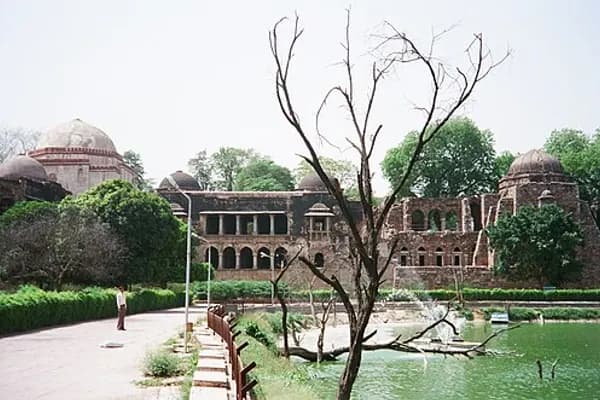
The juxtaposition of medieval history against a backdrop of modern urban life gives this enclave a distinct character that is hard to find elsewhere in Delhi. At the heart of this neighborhood lies the Hauz Khas Complex, a sprawling testament to the city’s rich Islamic architecture, where the remnants of ancient structures mingle with the vibrant energy of contemporary cafes and boutiques. The reservoir, originally built in the 14th century by Alauddin Khalji, still serves as a focal point, though now it’s flanked by a series of rooftop bars and trendy eateries that cater to both locals and the ever-growing influx of tourists.
Wander through its narrow lanes, and you might stumble upon the old-world charm of the market, where artisanal crafts coexist with modern pop-up shops. The area has evolved significantly since its development in the 1960s; what began as a mere enclave has transformed into a hub of trendy shops, eclectic dining options, and vibrant nightlife. The streets pulse with youthful energy, drawing in backpackers and domestic travelers alike, all keen to experience the unique blend of history and culture that defines this locale.
As you explore, you’ll encounter the echoes of a storied past—historical monuments, remnants of the once-mighty Delhi Sultanate, and the backdrop of serene green spaces like Gulmohar Park. The presence of several diplomatic missions adds an international flair, underscoring the neighborhood’s role as a meeting point of cultures. It’s not just about the sights; it's about the stories woven into the fabric of this place.
With easy access to the Delhi Metro and a plethora of lodging options, it’s no wonder that this neighborhood has become a favored destination for those looking to immerse themselves in the eclectic spirit of the city. Whether you’re sipping a cocktail while overlooking the reservoir or perusing a local artisan’s wares, there’s an irresistible allure that beckons you to linger a little longer.
Encyclopedic content adapted from the Wikipedia article on Hauz Khas Village, used under CC BY-SA 4.0.
What makes Hauz Khas Village special
Hauz Khas Village stands out among Delhi’s neighborhoods for its distinctive character: medieval ruins and rooftop bars. It tops our ranking of the best neighborhoods in Delhi, it offers the kind of experience that defines a great city trip — a place where the streets themselves tell a story and every block rewards curiosity.
Best for
Our take on Hauz Khas Village
Hauz Khas Village is the neighborhood we send friends to first when they visit Delhi. It earns the top spot in our ranking not because it is the most famous district in the city, but because it delivers the most complete neighborhood experience — the kind of place where every block rewards curiosity and every return visit reveals something new.
The energy of Hauz Khas Village builds as the day goes on, peaking in the evening when the streets fill with locals heading to their regular spots. This is a neighborhood where the nightlife feels organic rather than manufactured — bars that have regulars, music venues where the crowd actually listens, late-night spots where the kitchen stays open because the community demands it.
Our editors recommend budgeting at least half a day here — enough time to walk the main streets, sit down for coffee, and discover the side streets where Hauz Khas Village's real character lives.
Living in Hauz Khas Village
Hauz Khas Village is connected to the rest of Delhi by public transit, and most visitors find it straightforward to reach from the city center or airport. Once you arrive, the neighborhood is best explored on foot — the scale is human and the streets reward wandering.
The neighborhood transitions through distinct phases during the day. Mornings are quiet — coffee shops and bakeries set the pace. Afternoons bring more energy as the retail and café scene picks up. Evenings are when Hauz Khas Village truly comes alive, with restaurants and bars filling steadily from around 7 PM onward. If you are staying in the neighborhood, embrace the rhythm rather than fighting it.
Accommodation in Hauz Khas Village ranges from boutique hotels to short-term rentals. We generally recommend staying within the neighborhood itself rather than commuting from a hotel elsewhere in Delhi — the experience of waking up inside a great neighborhood is fundamentally different from visiting one as a day trip.
What locals say about Hauz Khas Village
Long-term residents of Hauz Khas Village tend to describe their neighborhood with a mix of pride and protectiveness. Like any district with genuine character, Hauz Khas Village inspires loyalty — the kind of place people move to and never quite leave, or leave and spend years trying to get back to.
Residents value the neighborhood's evening energy but will quickly tell you that Hauz Khas Village is more than its bars. The nightlife is an expression of the community, not a tourist attraction — locals know the bartenders by name, have their preferred corners, and treat the neighborhood's bars and restaurants as extensions of their living rooms.
Like any neighborhood that has earned attention, Hauz Khas Village is navigating the tension between popularity and preservation. Rents have risen, new businesses have arrived, and long-time residents occasionally grumble that the neighborhood is not what it was. But the fundamentals — the walkability, the food, the community — remain strong, and most locals we speak to believe the neighborhood is still gaining more than it is losing.
Visitor tips
- Hauz Khas Village is located in Delhi, India. The neighborhood is accessible by public transport, taxi, or rideshare from most parts of the city.
- The neighborhood comes alive in the evening. Plan to arrive after sunset to experience the best of the local bar and dining scene.
- Wear comfortable walking shoes — the best way to experience Hauz Khas Village is on foot, wandering the side streets and discovering what lies around each corner.
- Save the neighborhood's location on your phone before you arrive. Offline maps are especially useful for navigating the smaller side streets.