About the neighborhood
Neighborhood in Lisbon
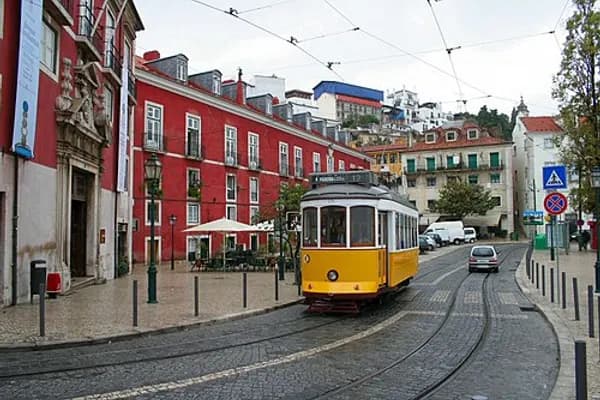
Winding through the heart of Lisbon, Alfama stands as a time capsule of the city’s storied past, where the echoes of Fado drift through cobbled streets and the scent of grilled sardines wafts from rustic taverns. This is the oldest neighborhood in Lisbon, a labyrinthine expanse that tumbles down the slope from the imposing São Jorge Castle to the shimmering Tagus river. With its narrow alleyways and ancient walls, it’s a place that feels both intimate and grand, a living tapestry woven from layers of history that span centuries.
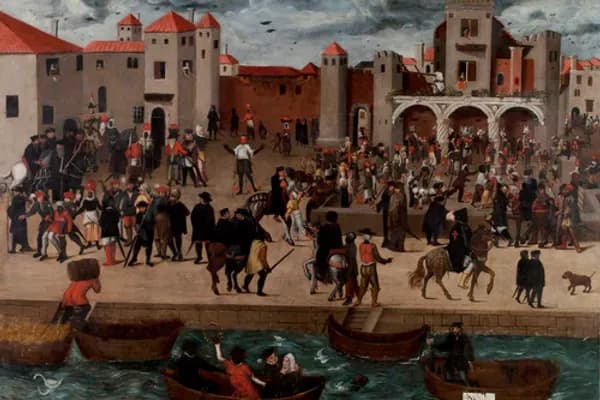
The neighborhood’s name traces back to the Arabic “al-ḥamma,” meaning “hot springs,” a nod to its Moorish origins when Alfama was the heart of the city. The remnants of this past are palpable, particularly along Rua do Barão, where the first Baron of Alvito once resided. Stroll this historic thoroughfare, starting at Rua São João da Praça, where the door to the Alfama once stood, and end at Rua Augusto Rosa, nestled against the formidable walls of the Sé Cathedral. The resilience of Alfama is striking; unlike much of Lisbon that fell victim to the catastrophic earthquake of 1755, this neighborhood emerged relatively unscathed, preserving its maze-like charm and character.
Today, Alfama is a vibrant blend of the old and the new. Traditional Fado bars, such as Clube de Fado, invite you to immerse yourself in the soulful music that defines Portuguese culture. Meanwhile, modern restaurants and art galleries are ushering in a new wave of creativity, breathing life into the historic structures. Don’t miss the breathtaking views from the Miradouro de Santa Luzia, where the terracotta rooftops meet the azure horizon, or the Miradouro das Portas do Sol, a perfect spot for sunset.
In Alfama, every corner tells a story, from the fishermen’s cottages to the bustling markets. It is a neighborhood that demands exploration, rewarding you with its rich history, vibrant culture, and the enchanting sounds of Fado that linger long after you’ve left.
Encyclopedic content adapted from the Wikipedia article on Alfama, used under CC BY-SA 4.0.